
“As an Affiliate, I earn from qualifying purchases. If you click a link and make a purchase/book an experience, I may receive a small commission at no extra cost to you!”
Italy is one of those destinations where first trips can go wrong in two completely opposite ways. You either keep it so safe that the trip feels weirdly basic, or you try to cram Rome, Florence, Venice, the Amalfi Coast, Cinque Terre, Lake Como, and three “quick little stops” into one itinerary and accidentally build a very scenic meltdown.
If this is your first big Italy trip, the goal is not to see everything. The goal is to choose the experiences that actually feel memorable, worth the effort, and strong enough to justify the time, money, and logistics they ask from you. That matters even more now that some of Italy’s biggest headline sights reward or require more planning than travelers sometimes expect, including timed entry systems, official ticket portals, and date-specific visitor rules in places like Venice.
This guide is for first-timers who want the classic Italy magic without building a trip that is all transfers, ticket stress, and no breathing room. Instead of giving you a giant, generic list, this is a curated shortlist of eight bucket list experiences that make the strongest first impression, fit naturally into a big multi-stop trip, and help you decide what is actually worth prioritizing.
Think of it as the Italy version of editing your suitcase before you zip it up. You do not need every beautiful thing. You need the right beautiful things.
Quick Trip Snapshot
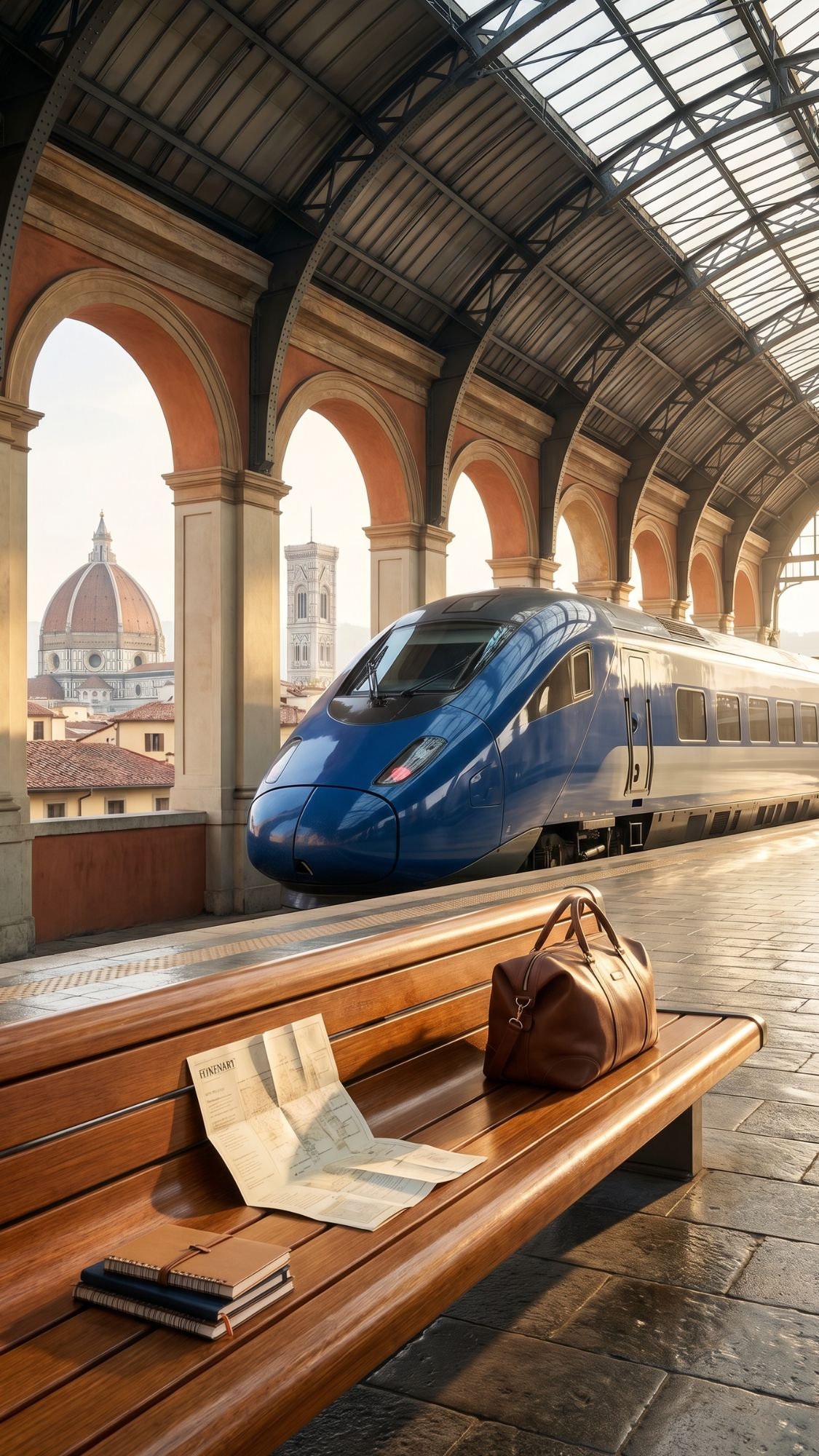
A first big Italy trip usually works best when you treat it like a curated greatest-hits route, not a national scavenger hunt. For most first-timers, the sweet spot is three classic city bases plus one or two scenery-driven add-ons, with rail doing most of the heavy lifting between the major stops. Trenitalia’s high-speed network directly supports core first-trip corridors like Rome, Florence, Venice, Naples, and Milan, which is exactly why this backbone is so much easier than trying to improvise a car-heavy route.
At a Glance
- Best months: April to June and September to October
- Ideal trip length: 10 to 14 days
- Best pace: 3 major bases, maybe 4 if your trip is on the longer side
- Best for: first-timers who want iconic highlights, art, food, and scenery
- How to get around: high-speed rail for the main city spine, then ferries, boats, or guided day trips for coast and lake add-ons
- Most common mistake: trying to squeeze Rome, Florence, Venice, Amalfi, Cinque Terre, Lake Como, and Milan into one rushed trip
- What to book first: Colosseum, Vatican Museums, Florence Duomo climb, Uffizi, Pompeii, and any boat-heavy peak-season add-ons
- Special logistics note: Venice’s 2026 access fee began on April 3, 2026 and applies only on designated dates during the trial period, generally from 8:30 a.m. to 4:00 p.m., so that is something first-timers should check before finalizing a Venice day.
Quick Planning Table
| Planning factor | Best guidance for this article |
|---|---|
| Trip style | Bucket-list first trip, not deep slow travel |
| Best itinerary backbone | Rome → Florence → Venice, then add one coast or lake segment |
| Best booking rhythm | Reserve blockbuster sights first, then layer in scenic day trips |
| Budget feel | Mid-range to splurge-friendly |
| Car needed? | No, unless you want a deeper countryside route beyond the core first-trip path |
| Where flexibility matters | Coast days, lake days, free evenings, and lower-stakes wandering |
| Where structure matters | Rome, the Vatican, Florence museums, Pompeii, and any timed-entry heavy days |
This is the part where your trip gets much easier: once you stop trying to “fit Italy in” and start building around a clean route, the whole plan feels less chaotic and a lot more luxurious, even if your budget is not wildly luxurious.
How To Structure Your First Big Italy Trip Without Burning Yourself Out

The easiest way to make a first Italy trip feel exciting instead of exhausting is to build it around transfer logic, not pure temptation. In other words, do not plan with your eyes only. Plan with your train times, hotel changes, and actual energy level in mind too.
For most first-timers, the cleanest version of this trip is Rome → Florence → Venice, then one extra scenery-driven add-on if you have the time. That keeps the trip iconic, rail-friendly, and much less chaotic than trying to force every famous region into one grand tour. This section follows the route logic, traveler-fit notes, comparison cues, and booking priorities established in your approved outline.
Best Route Logic
Best classic spine
Rome → Florence → Venice
This is the strongest first-trip backbone because it gives you ancient history, Renaissance beauty, and dramatic atmosphere in a sequence that feels satisfying instead of random. It also keeps your major transfers simple and helps the trip feel like it is building toward something instead of constantly resetting.
Best south add-on
Amalfi Coast or Pompeii/Naples zone
Pick this if you want a bigger emotional payoff, warmer-weather energy, and a more obviously bucket-list ending or side trip. It works best when you have enough time to let the south breathe a little.
Best northwest add-on
Pick this if you want colorful coastal scenery without pushing the trip too far off the northern rail path. It usually fits more naturally with Florence and Venice than Amalfi does.
Best north luxury add-on
Pick this if you want your trip to end on a softer, calmer, more polished note. It is less dramatic than Amalfi in a “main character on a boat” way, but very strong if you want elegance over chaos.
Lowest-friction scenery add-on
A Tuscany day trip from Florence
This is the easiest countryside win for readers who want vineyards, hill towns, and that classic rolling-Italy feeling without packing another bag or renting a car.
Choose This If…
- Choose Amalfi Coast if you want postcard coast energy, a stronger splurge moment, and you do not mind more logistics.
- Choose Cinque Terre if you want colorful villages and an easier pairing with North Italy.
- Choose Lake Como if you want a refined, scenic finale that feels calm instead of packed.
- Choose a Tuscany day trip if you want countryside beauty without changing hotels.
Comparison Table
| Option | Best for | Easiest base | Best trip length fit | Skip if |
|---|---|---|---|---|
| Tuscany day trip | First-timers who want scenery with low friction | Florence | 7 to 10 days | You want a slower overnight countryside stay |
| Cinque Terre | Colorful coast lovers | La Spezia or Florence add-on | 10 to 14 days | You hate stairs, slopes, and summer crowds |
| Amalfi Coast | Big wow-factor and romantic scenery | Sorrento, Amalfi, or Positano area | 10 to 14+ days | You want the easiest logistics |
| Lake Como | Elegant final stop | Como, Varenna, or Bellagio area | 10 to 14 days | You want the most budget-first ending |
Booking Order That Makes Life Easier
If you want the trip to feel smooth, book in this order:
- Long-haul flights and primary city bases
- Timed-entry heavy experiences like the Colosseum, Vatican Museums, Florence Duomo climb, Uffizi, and Pompeii
- Scenic day trips and boat experiences
- Flexible dinners, free walks, and extra wandering
This is the difference between “beautifully planned” and “why am I stress-refreshing ticket pages in the middle of lunch.”
Practical Planning Note
Use official sites or clearly reputable partners for high-demand attractions and time-sensitive bookings. First-timers are especially vulnerable to fake urgency, confusing reseller pages, and last-minute compromises that make the trip feel more annoying than it needs to.
Compare my favorite rail-friendly Italy stays before you lock your Rome, Florence, and Venice route.
Once the route is clean, the rest of the trip gets much easier. You are not trying to do less just to be sensible. You are choosing a version of Italy that actually leaves room for enjoyment, which is a very different thing.
1. Step Into Ancient Rome At The Colosseum, Roman Forum, And Palatine Hill
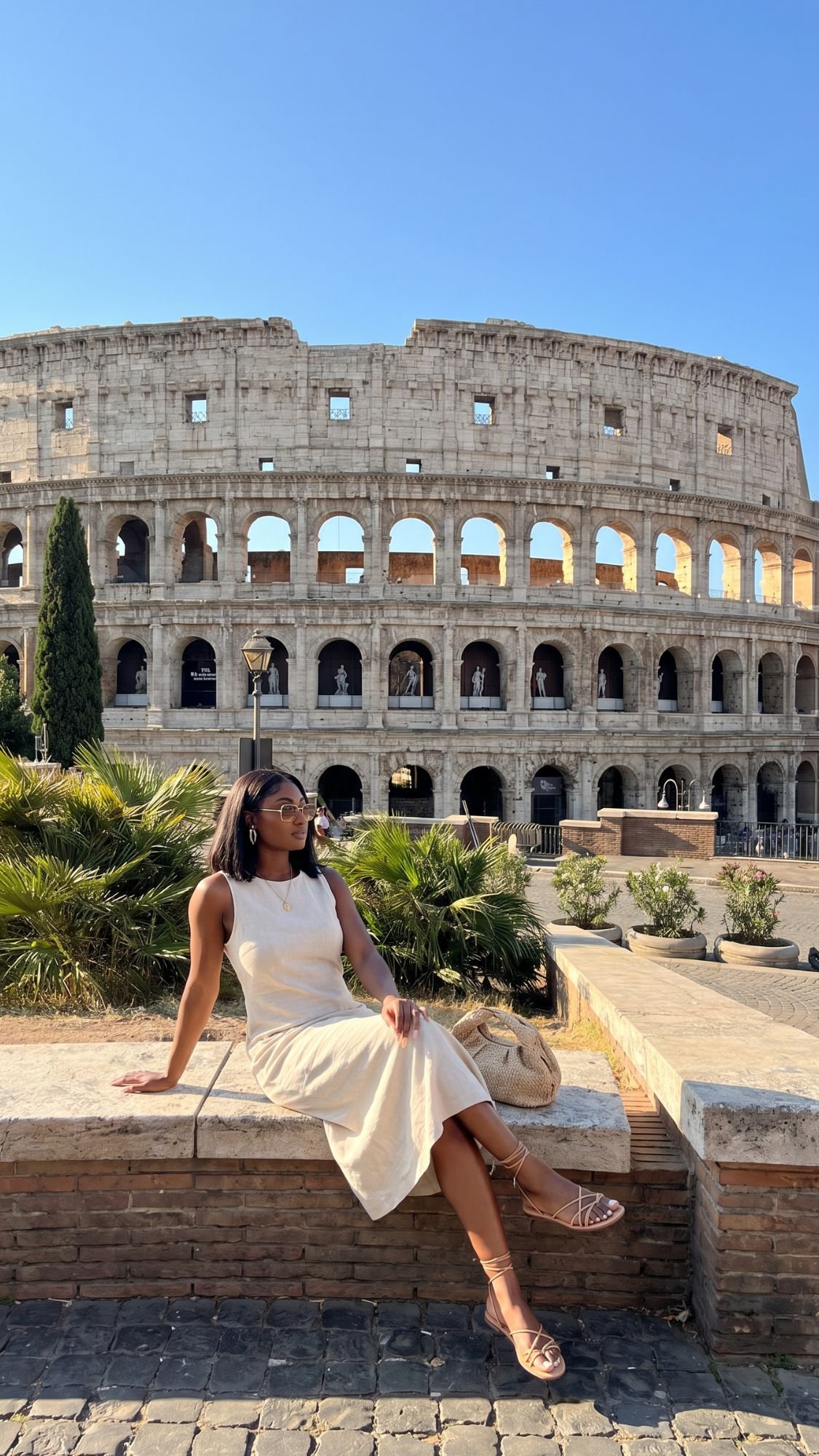
Rome is the strongest possible opener for a first big Italy trip because it gives you that instant, unmistakable I am really here feeling. And if you are going to start with one major headline experience, the Colosseum, Roman Forum, and Palatine Hill combo still makes the most sense.
It is iconic, yes, but it is also practical. The official Colosseum site currently states that Colosseum entry requires a reserved time slot, ticket sales open 30 days before the visit date, and tickets are issued in the holder’s name with ID required at entry. That is exactly why this belongs near the top of your prebooking list instead of in the “we’ll figure it out later” pile.
Why It’s Worth It
- It gives your trip a huge first-day sense of scale and history
- You get three major ancient Rome experiences in one core sightseeing block
- It pairs easily with Monti, Capitoline Hill, or a slower central Rome evening
- It feels appropriately bucket-list without needing a full-day guided history marathon
- It helps the trip start strong instead of slowly warming up
Quick Planning Guide
| Detail | Guidance |
|---|---|
| Best time to go | First entry of the morning or later afternoon |
| Time to budget | 3 to 5 hours |
| Cost | Ticketed, moderate |
| Best add-on | Monti lunch or Capitoline Museums |
| Nearby pairing | Forum walk plus a central Rome evening |
| Route logic | Best done early in your Rome stay |
| Rain backup | Shift to a museum-heavy Rome day if the weather turns |
Best For / Skip If
| Best for | Skip if |
|---|---|
| History lovers, first-timers, and travelers who want a big opening moment | You only want neighborhood wandering and zero timed attractions |
Want the better version of this experience?
Before you lock in your Rome sightseeing plans, compare standard entry with a guided Colosseum tour so you can decide whether arena access is worth the upgrade.
- Discover the Colosseum on a guided tour with entry to the restricted areas
- Explore Rome’s top 3 sites with a licensed guide
- Explore the Colosseum & Roman Forum your way
- Discover the Colosseum, Palatine Hill, and Roman Forum with a guided tour
- Join a tour to see the most important sites of Ancient Rome brought to life
Budget or Splurge
| Budget | Splurge |
|---|---|
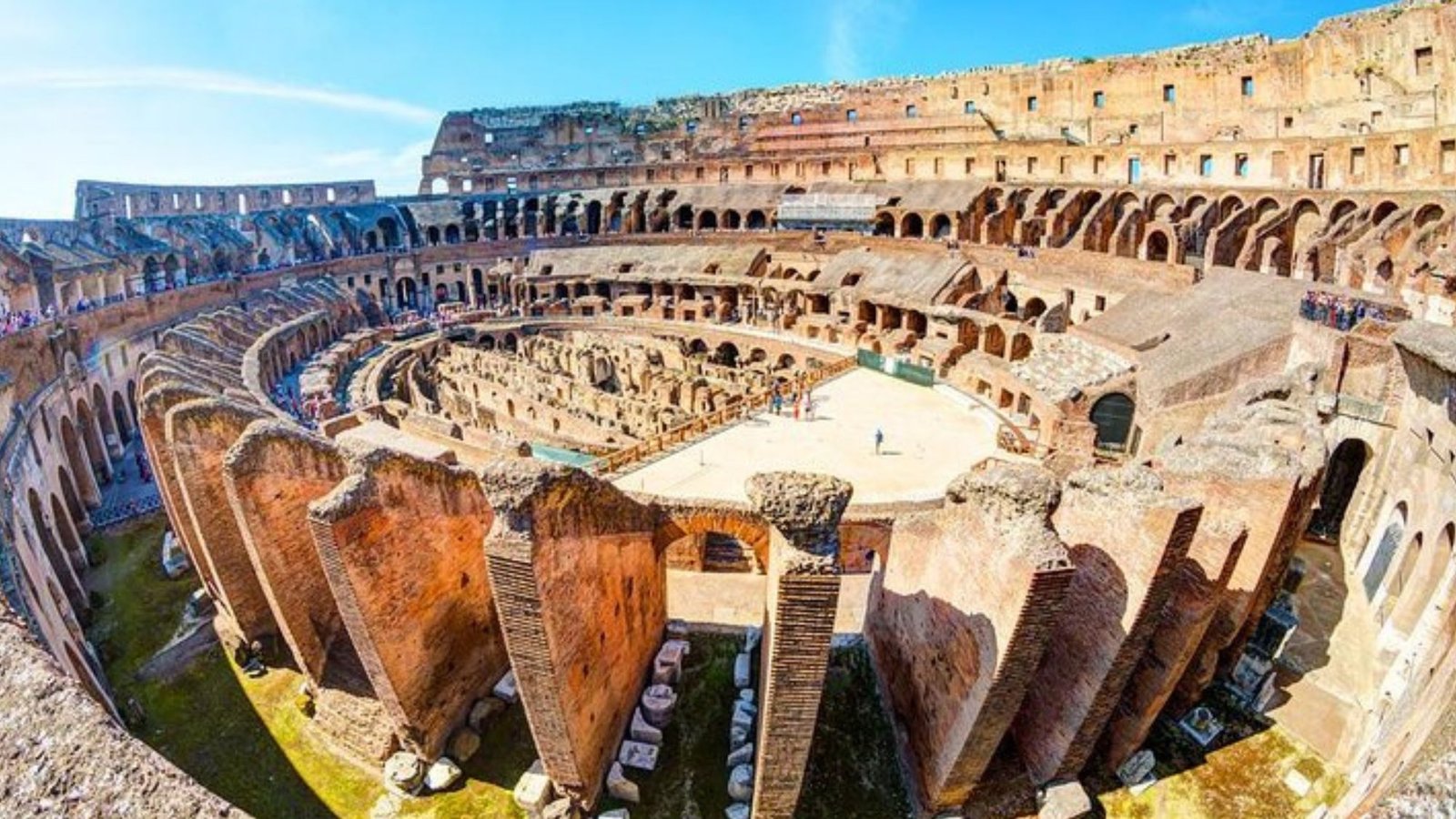
| Standard timed-entry ticket and a self-guided visit | Arena or underground experience with a guide |
One thing that helps this stop feel better on a first trip is keeping your expectations focused. You are not trying to absorb every century of Roman history before lunch. You are giving yourself one unforgettable ancient-Rome anchor, then letting the rest of the city build around it. The official site currently lists the main 24-hour combined Colosseum, Roman Forum, and Palatine ticket, plus upgraded “Full Experience” options with arena and underground access, so there is room to keep it simple or go bigger depending on your budget and energy.
If you only prebook one Rome experience first, this is still one of the most defensible choices in the city. It delivers the fastest emotional payoff, it fits naturally into a first-timer itinerary, and it immediately makes the whole trip feel real.
2. See The Vatican Museums And Sistine Chapel Before The Day Gets Chaotic
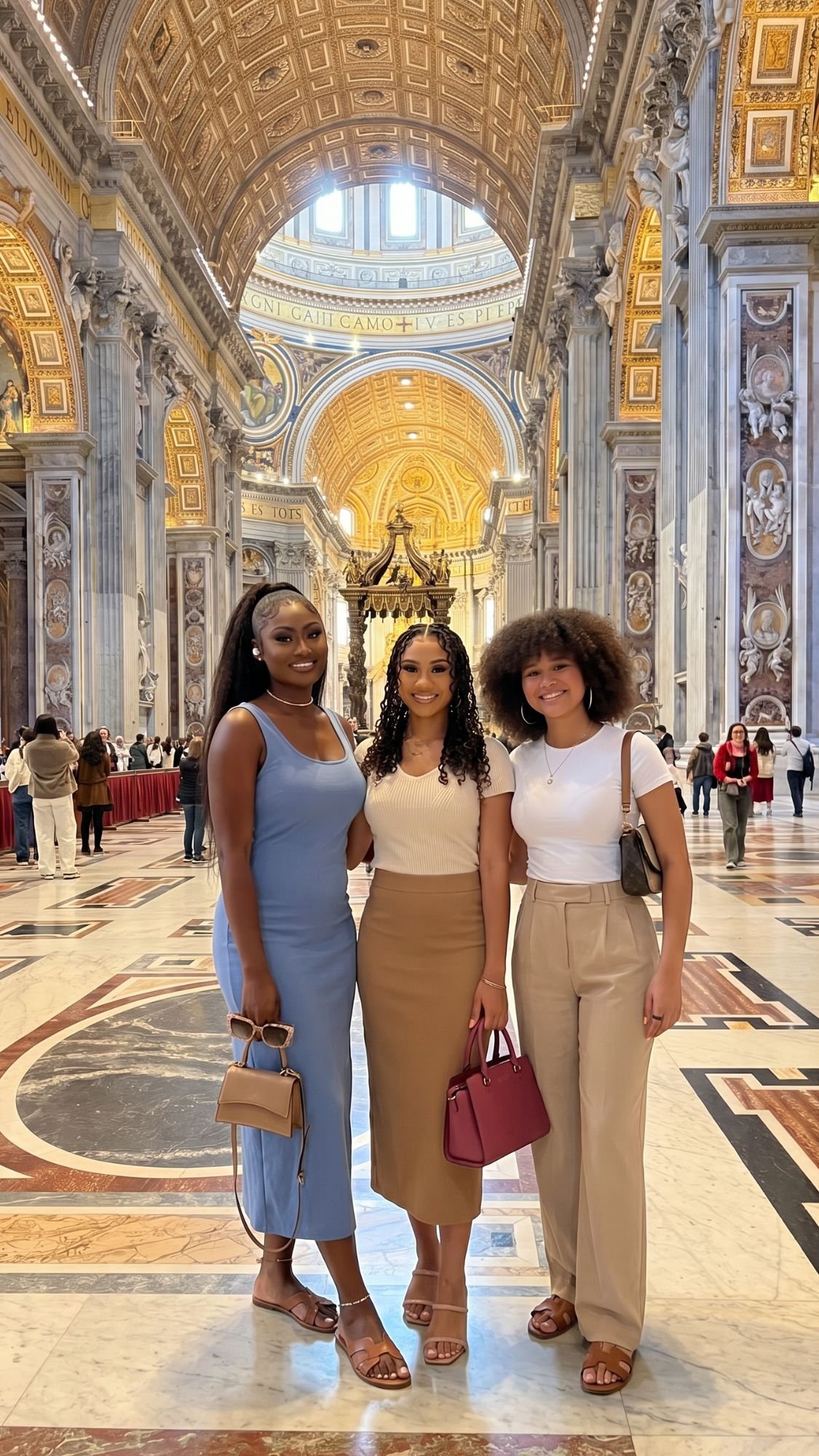
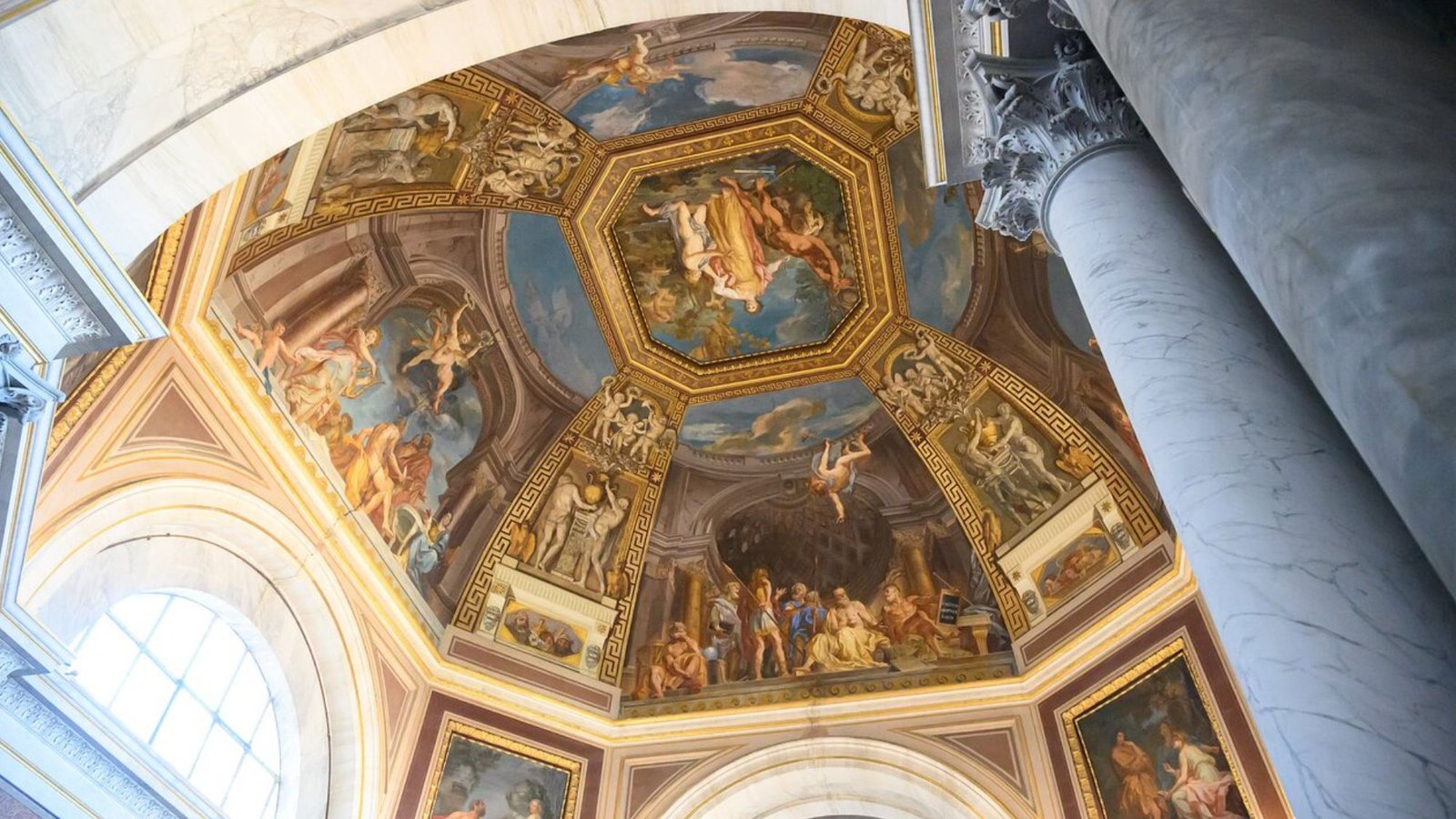
For first-timers, the Vatican is not just another museum stop you casually squeeze in if the weather cooperates. It is one of the biggest cultural highlights in Rome, and it is also one of the easiest places to waste a large chunk of your day if you treat it too casually. The official Vatican Museums site currently lists opening from Monday to Saturday, 8:00 a.m. to 8:00 p.m., with final entry at 6:00 p.m., and it also makes a very direct point that the only official online ticket portal is the Vatican Museums’ own ticket site.
That warning matters more than most first-time visitors expect. The museum specifically tells visitors to beware of scam or lookalike domains that charge higher prices, which is exactly why this section deserves strong advance-booking language. Even if you do not care about “skip the line” as a concept, you should care about not wandering up late, paying more than necessary, and spending your Rome day in an avoidable queue spiral.
Why It’s Worth It
- The Sistine Chapel is one of the most recognizable art experiences in the world
- It gives your Rome days a completely different mood from ancient-history sightseeing
- It fits naturally into a first-trip itinerary without needing a separate city transfer
- It is one of the strongest big-ticket cultural experiences in Italy
- Done early, it can still leave room for a very good lunch and a calmer afternoon
Quick Planning Guide
| Detail | Guidance |
|---|---|
| Best time to go | Earliest slot possible |
| Time to budget | 3 to 4.5 hours |
| Cost | Ticketed, moderate |
| Best add-on | St. Peter’s Basilica area walk |
| Nearby pairing | Prati lunch or Castel Sant’Angelo walk |
| Route logic | Best on a separate day from the Colosseum if possible |
| Rain backup | Ideal rainy-day anchor |
Best For / Skip If
| Best for | Skip if |
|---|---|
| Art lovers, first-timers, and travelers who want at least one huge cultural landmark day | You strongly dislike crowds and structured museum routes |
Planning your Vatican day now?
The Vatican is one of the easiest Rome experiences to underbook, so reserve your Vatican Museums and Sistine Chapel tour early if you want better time-slot options.
- Discover the wonders of the Vatican Museum and Sistine Chapel.
- Skip the lines and experience the Vatican Museums and Sistine Chapel with an expert guide.
- Follow a clear route through selected galleries, learn the story behind key masterpieces and admire Michelangelo’s iconic frescoes.
- This group tour is perfect for those who want an in-depth visit to the Vatican museums.
- Admire the masterpieces within the Gallery of Maps, the Hall of Tapestries, the Raphael Rooms, and the Sistine Chapel.
Budget or Splurge
One practical detail worth keeping in the article is that the entry ticket covers the Vatican Museums and Sistine Chapel only on the specific date the ticket is issued, and the official pricing page says tickets are non-refundable. That makes this one of those Rome experiences where “I’ll decide later” is usually not the smartest strategy, especially on a short trip.
The Vatican is absolutely worth doing on a first big Italy trip. It just works best when you treat it like a timed priority, not a spontaneous filler activity. Get in early, keep your expectations realistic, and let this be your big culture-heavy Rome day instead of the reason your entire afternoon falls apart.
3. Do Florence The Right Way With The Duomo, The Uffizi, And Time To Wander
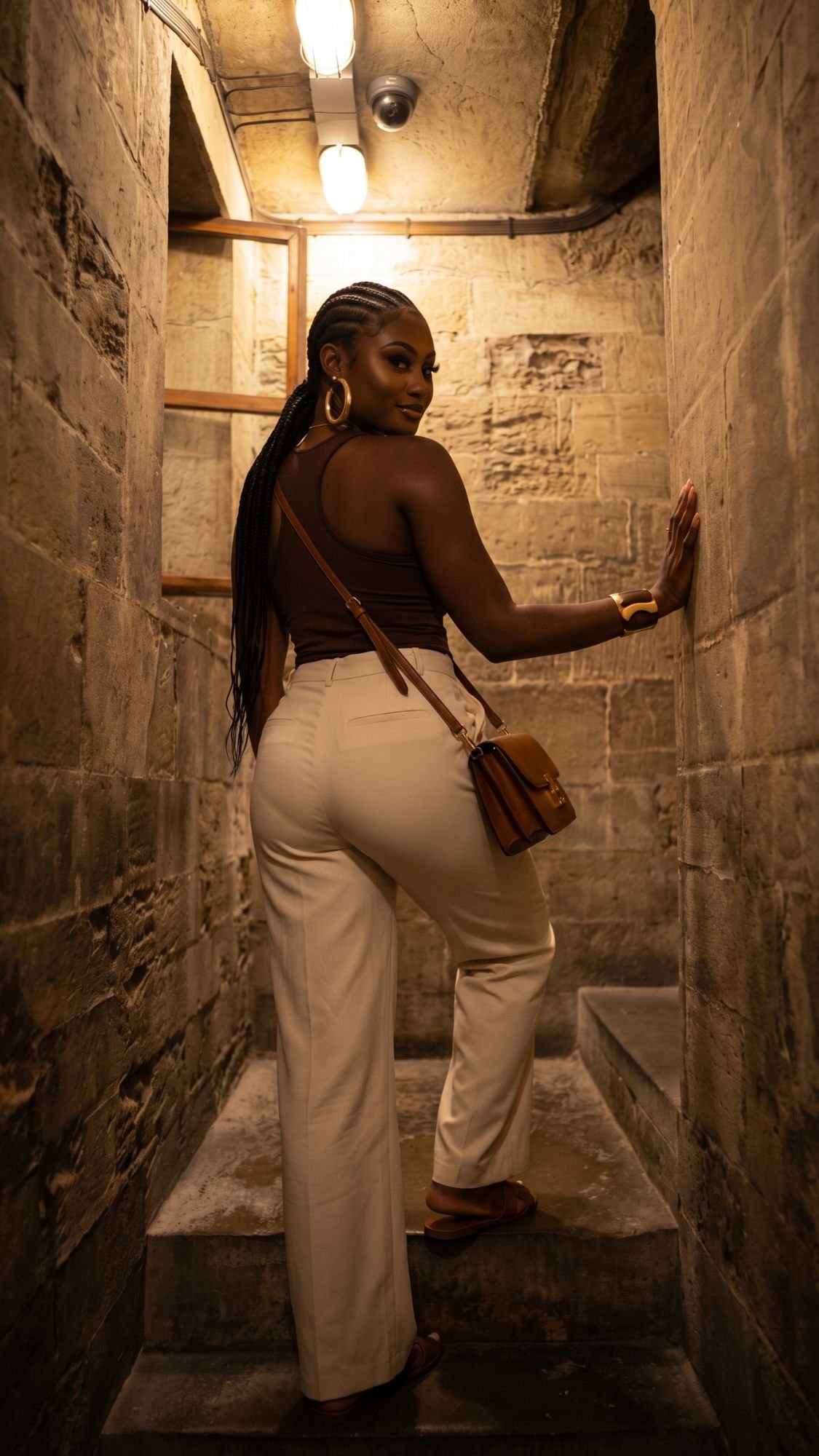
Florence earns its place on a first big Italy trip because it gives you a huge amount of beauty without requiring the energy level of a giant capital city. It is compact, dramatic, and full of the kind of detail that makes you slow down a little even if you normally move through cities fast. This is where the trip often stops feeling like a checklist of famous places and starts feeling like you actually understand why people get obsessed with Italy.
It is also one of the easiest places to overbook if you are not careful. The smartest version of Florence for first-timers is not trying to cram every museum and every church into one heroic day. It is picking the big anchors well, giving yourself time for the Duomo area and at least one major art stop, and leaving room for the city to do what Florence does best, which is look stunning while you are technically doing nothing.
Why It’s Worth It
- Florence feels high-value even on a short stay
- It gives you Renaissance art, beautiful architecture, and walkable atmosphere in one place
- The city center is compact enough to feel manageable for first-timers
- It pairs beautifully with a Tuscany day trip if you want countryside without hotel chaos
- It has that rare ability to feel both iconic and strangely personal at the same time
Quick Planning Guide
| Detail | Guidance |
|---|---|
| Best time to go | Start early, then leave room for wandering later in the day |
| Time to budget | 1 full day minimum, 2 days is much better |
| Cost | Flexible, from mostly free wandering to a ticket-heavy art day |
| Best add-on | Ponte Vecchio and an Oltrarno evening |
| Nearby pairing | Split the Duomo area and the Uffizi into separate halves if you can |
| Route logic | Florence fits beautifully after Rome |
| Rain backup | Very strong museum city when the weather turns |
Best For / Skip If
| Best for | Skip if |
|---|---|
| Art lovers, walkers, and readers who want beauty without big-city sprawl | You only want coast, lakes, or mostly outdoors-focused stops |
Planning Florence now?
Start with a reserved Duomo climb or timed Uffizi entry so you can shape the rest of the city around the experiences that matter most.
- Climb Brunelleschi’s Dome with reserved timed entry and explore the full Florence Duomo Complex with one flexible ticket.
- Skip the lines to the Florence Duomo and join an interior guided tour.
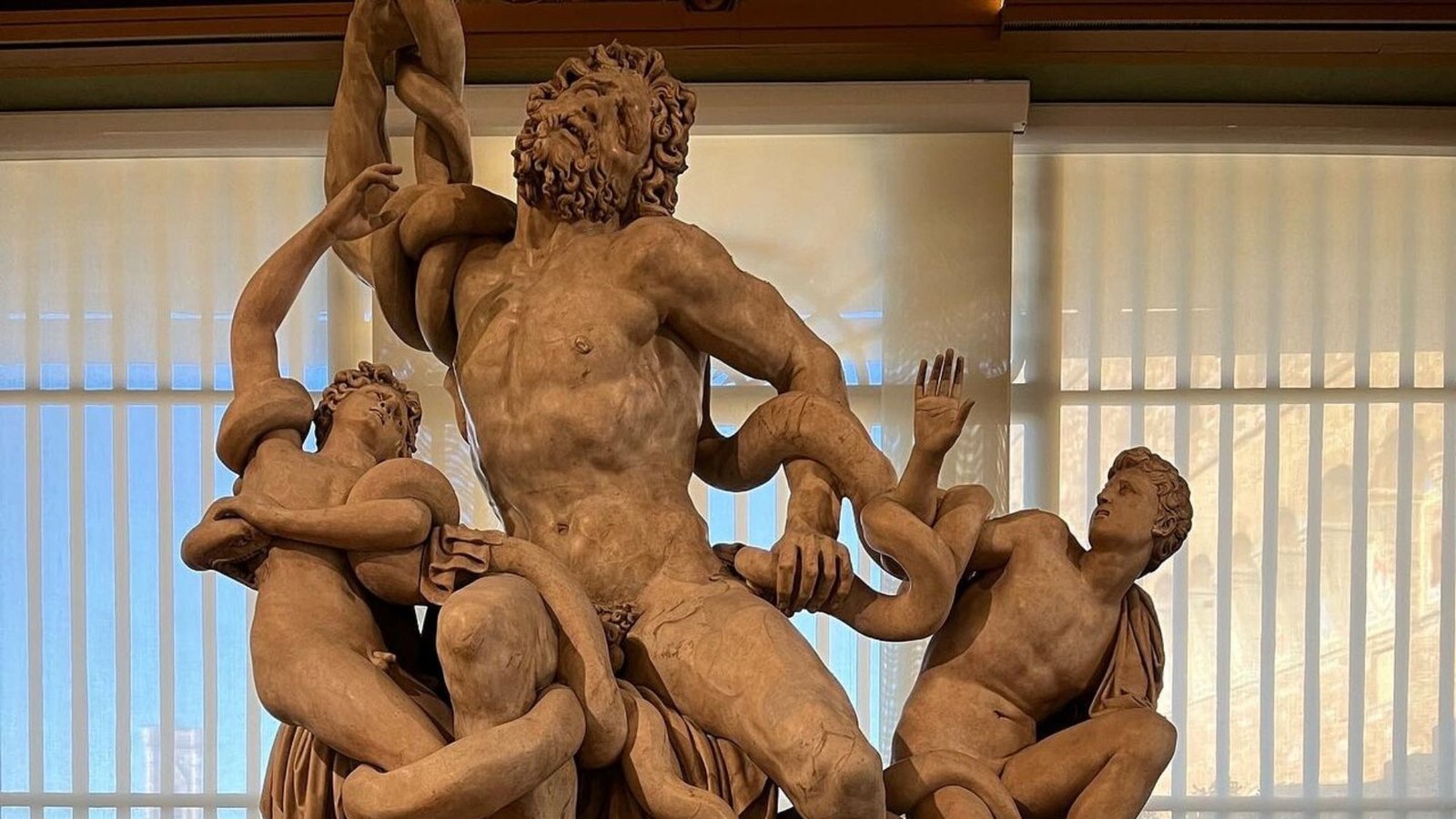
- Visit the most important artworks to fully appreciate both the art and history of the Italian Renaissance.
- Explore the museum’s ancient sculptures and paintings at your own pace using a digital audio guide designed for your smartphone.
- Discover Florence’s highlights on a guided walking tour.
Budget or Splurge
| Budget | Splurge |
|---|---|
| Cathedral exterior, piazza wandering, one paid sight, and lots of walking | Duomo climb, Uffizi, and a guided Renaissance-focused city day |
The biggest mistake people make in Florence is treating it like a city that only matters if you are standing inside a museum. The museums matter, obviously, and the Duomo absolutely deserves its place in a first-trip version of Italy. But Florence also rewards the in-between moments more than a lot of cities do. The side streets, the views that open up unexpectedly, the late-afternoon gold on the stone, the feeling that even your “filler time” somehow looks expensive.
That is why Florence is such a strong first-timer stop. It gives you iconic art and architecture, but it also gives you breathing room. If Rome is the dramatic opener and the Vatican is the cultural heavyweight, Florence is the part of the trip where things start feeling beautifully balanced instead of relentlessly scheduled.
4. Take One Classic Tuscany Day Trip So The Trip Does Not Feel All Cities
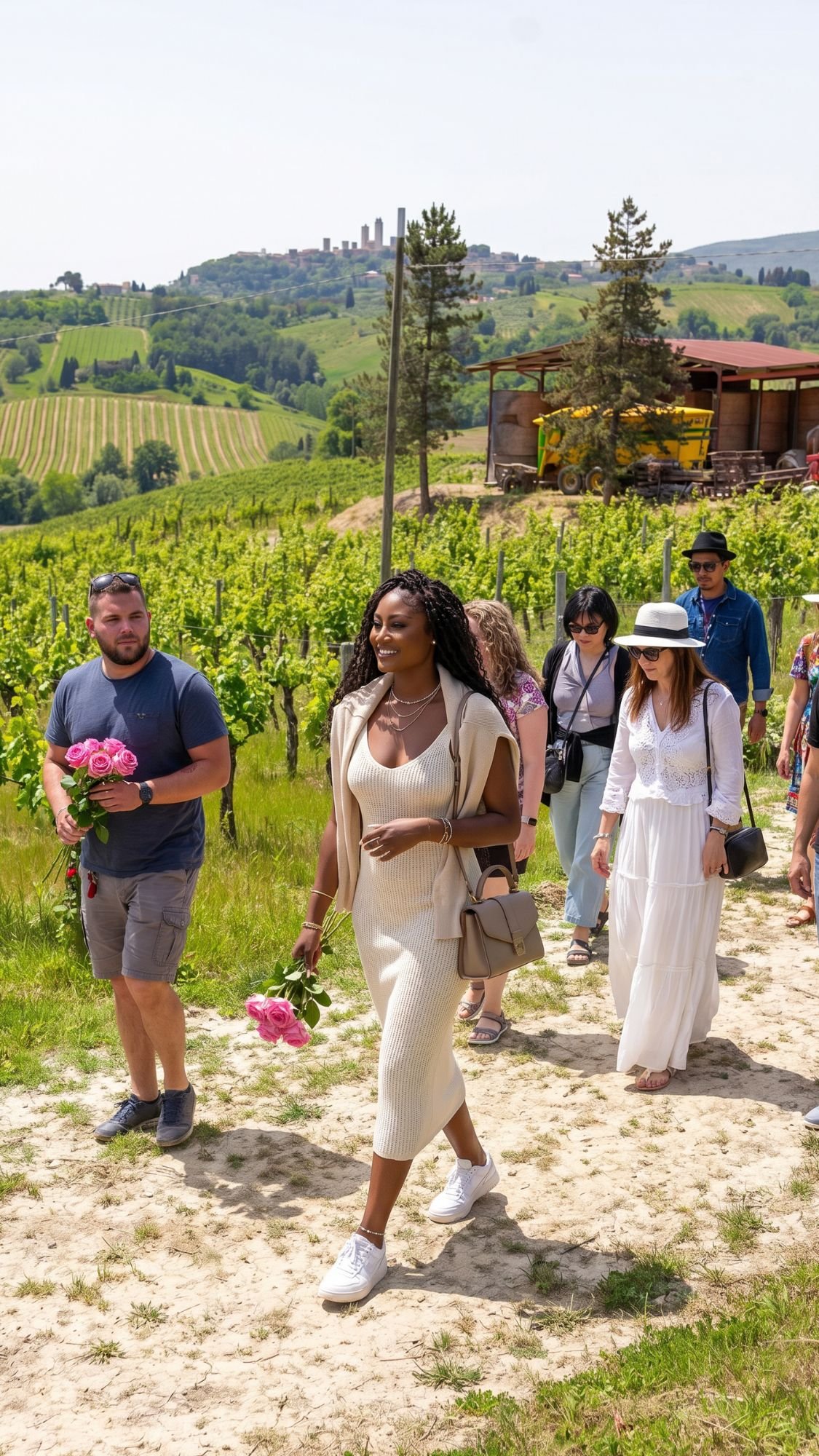
A first big Italy trip gets much better when it stops being all museums, piazzas, and strategic train arrivals for one full day. Tuscany is the easiest way to do that without blowing up your route. Visit Tuscany’s official tourism site specifically frames Florence as a strong base for day trips and highlights options like Chianti, Siena, and San Gimignano, which is exactly why this section works so well for first-timers.
This is also the version of countryside Italy that gives you the fantasy without demanding a whole new packing strategy. You get rolling hills, wine country, medieval towns, and long-lunch energy, but you can still sleep in Florence and keep the rest of the trip tidy. That is a very strong trade.
Why It’s Worth It
- It gives the trip that classic rolling-hills-and-cypress-roads Italy feeling
- It adds contrast after Rome and Florence city sightseeing
- It works well even if you do not want to rent a car
- It makes Florence feel like a smarter, more versatile base
- It gives first-timers one slower, more scenic day without forcing another hotel change
Quick Planning Guide
| Detail | Guidance |
|---|---|
| Best time to go | Full-day outing, especially in spring through fall |
| Time to budget | 8 to 10 hours |
| Cost | Moderate to splurge |
| Best add-on | Winery lunch, Siena, or San Gimignano |
| Nearby pairing | Florence base |
| Route logic | Best after 1 to 2 Florence days |
| Rain backup | Town-focused or wine-heavy guided version |
Best For / Skip If
| Best for | Skip if |
|---|---|
| Readers who want scenery, villages, food, and a slower-feeling day | You only want major city highlights or dislike full-day outings |
Want the easiest countryside add-on?
Compare Florence-based Tuscany day trips here if you want Siena, San Gimignano, Chianti, and wine-country scenery without extra logistics.
- Discover the rich history and art of the most iconic sights in Tuscany on a day trip from Florence.
- Discover the stunning towns of Siena, San Gimignano, and Monteriggioni on a small group tour by comfortable minivan, exploring symbols of Medieval and Gothic architecture.
- Escape to Tuscany’s heart from Florence.
- Enjoy a traditional Tuscan lunch and wine tasting at a local winery.
- Tuscany in a day! Discover Siena, San Gimignano & Pisa—iconic sights, epic views, and authentic Tuscan vibes, all in one unforgettable journey from Florence.
Budget or Splurge
| Budget | Splurge |
|---|---|
| Group day trip or bus-and-town combo from Florence | Private driver, private winery-focused day, or small-group food and wine tour |
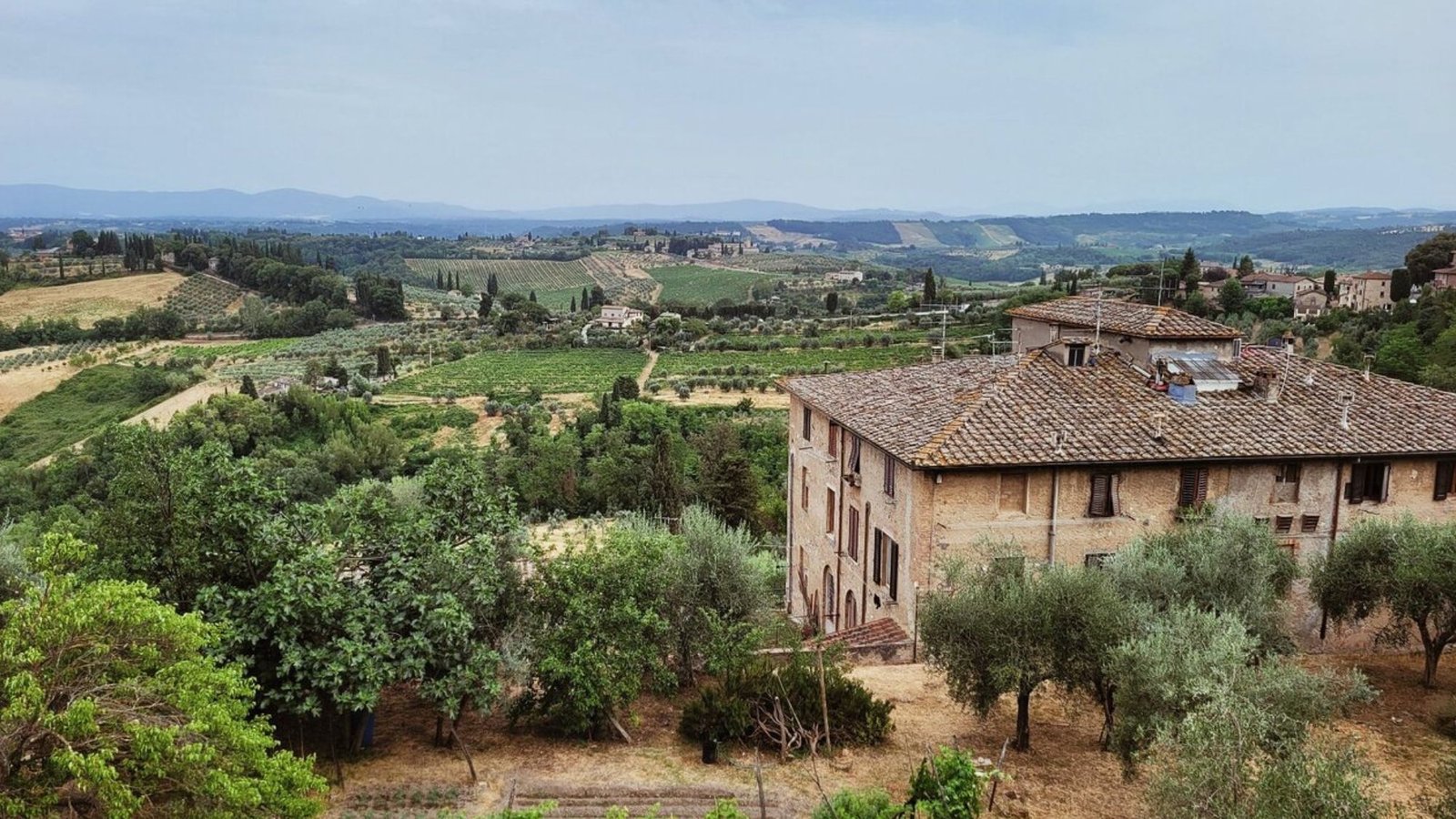
Official Tuscany tourism material leans into exactly the mix first-timers usually want here: Chianti landscapes, wine culture, and hill towns like San Gimignano, while Florence remains the practical base that keeps the trip efficient. That makes this one of the smartest “big payoff, low chaos” additions in the whole article.
Tuscany is the section that makes a first Italy trip feel fuller, softer, and less scheduled without actually becoming harder to manage. That is why it earns its place. It is not just pretty. It fixes the pacing.
5. Do Venice For The Atmosphere, Not Just The Checklist
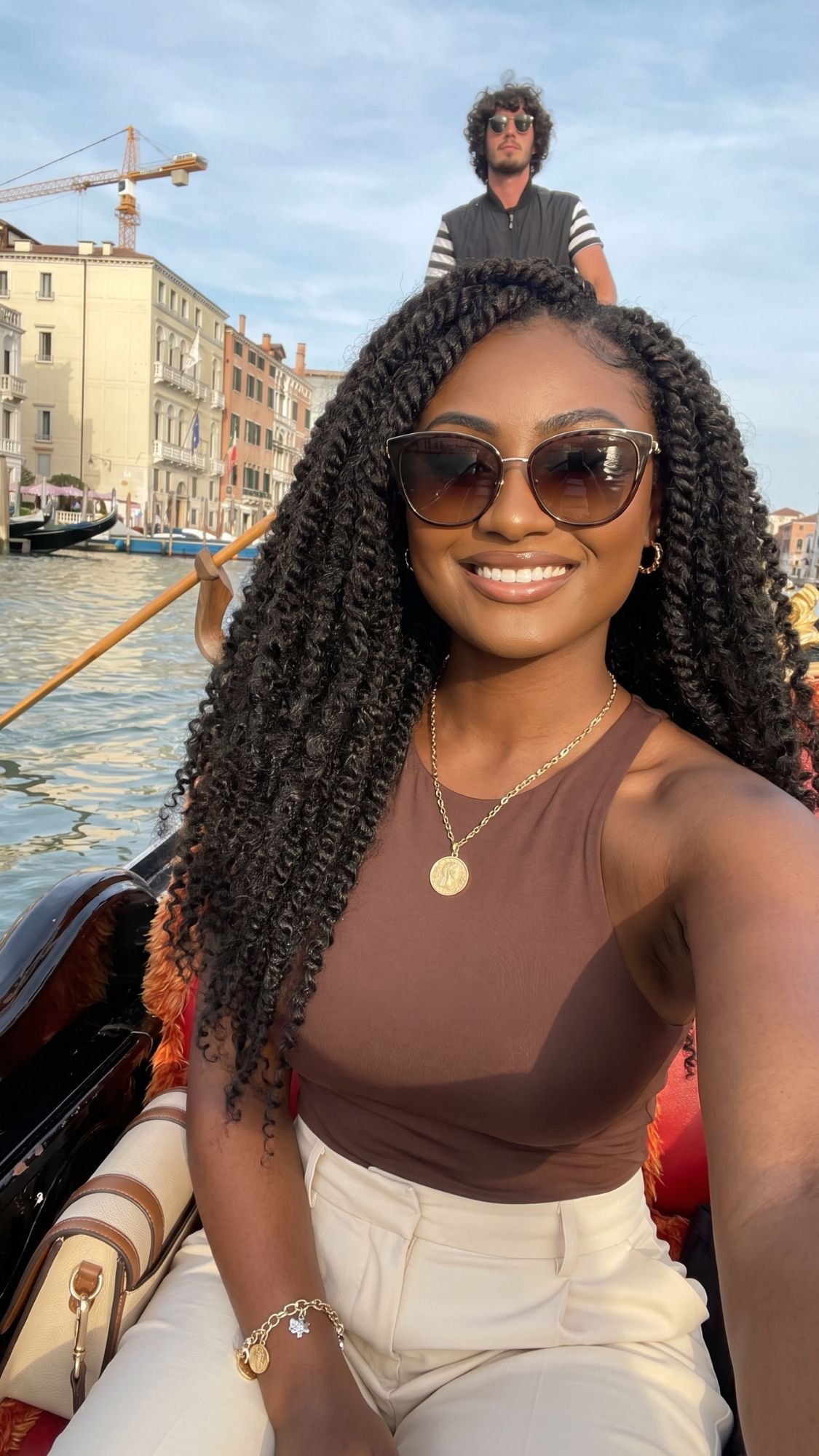
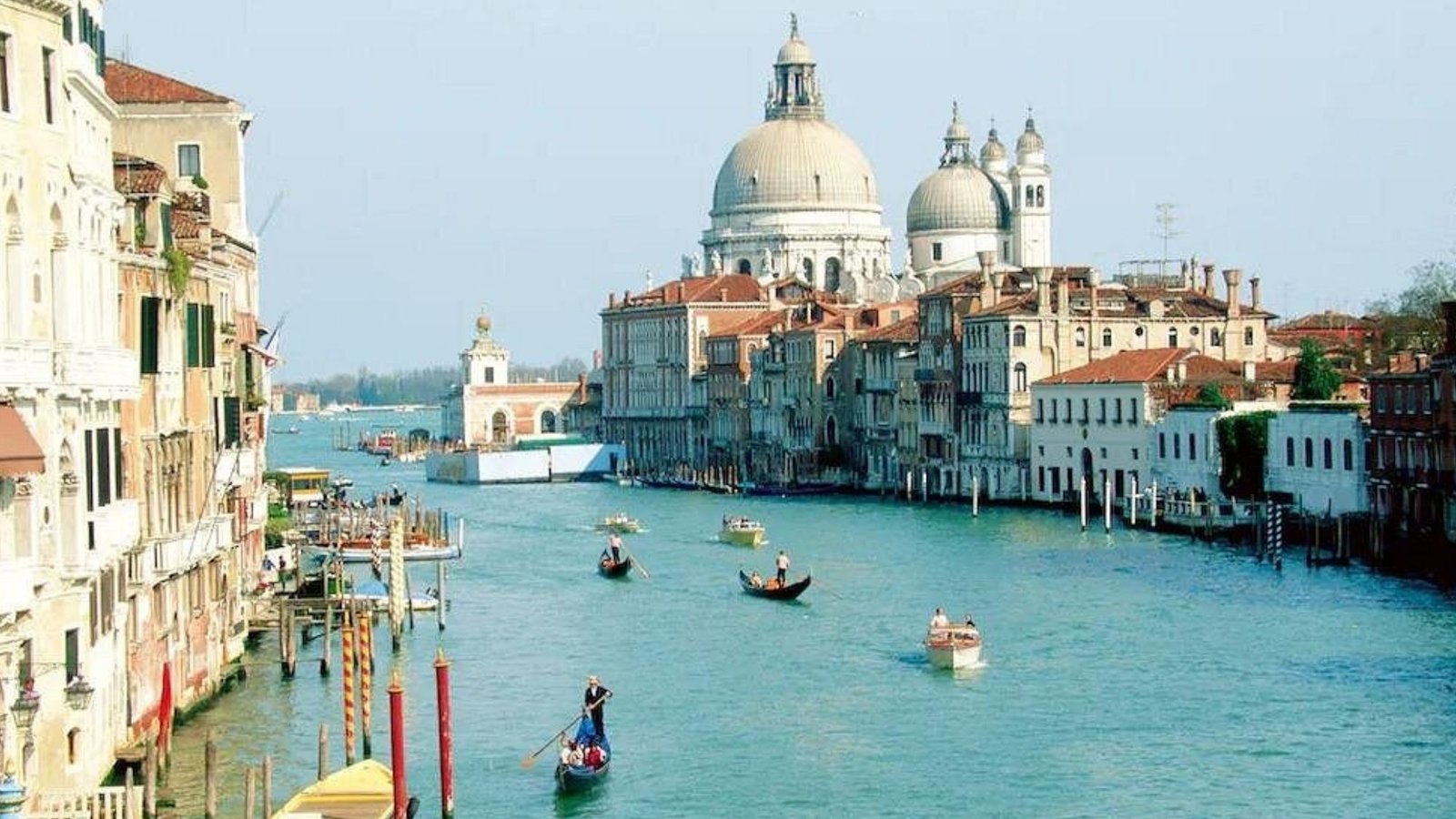
Venice deserves a place on a first big Italy trip because there is still nothing else that feels remotely like it. The trick is not trying to turn it into a frantic monument sprint. Venice works best when you give it one classic canal moment, one beautiful wander, and enough breathing room to let the city be strange, cinematic, and a little bit ridiculous in the best way.
This is also one of the places where current logistics matter more than some first-timers realize. Venice’s official access-fee system for 2026 applies only on designated dates between April 3 and July 26, 2026, generally from 8:30 a.m. to 4:00 p.m. On those days, day visitors to the historic city who are not staying overnight may need to register and pay, while the fee does not apply outside those hours. The official FAQ also says early payment can cost €5 if paid by the fourth day before access, otherwise €10 within the three days before entry.
Why It’s Worth It
- Venice is one of the most visually unforgettable places in Italy
- A gondola, vaporetto ride, or evening walk can feel genuinely bucket-list on a first trip
- It balances the heavier history-and-museum sections with pure atmosphere
- It gives the article one of its strongest visual and emotional peaks
- It can feel magical even when your actual plan is fairly simple
Quick Planning Guide
| Detail | Guidance |
|---|---|
| Best time to go | Early morning or blue hour |
| Time to budget | 1.5 to 2 days is ideal |
| Cost | Flexible, but romantic add-ons raise the budget quickly |
| Best add-on | Gondola ride, vaporetto views, or an evening walking tour |
| Nearby pairing | St. Mark’s area plus quieter back canals |
| Route logic | Works beautifully after Florence |
| Rain backup | Museums, long cafe breaks, and a slower indoor-heavy day |
Best For / Skip If
| Best for | Skip if |
|---|---|
| Romantic travelers, photographers, and first-timers who care about atmosphere | You want budget-first, ultra-practical, low-crowd travel only |
Want one classic Venice add-on?
Book a Venice gondola or evening walk if you want the classic experience without leaving it to last-minute luck.
- Listen to in-app commentary as you admire the views and visit the Gondola Gallery.
- Experience Venice from the water on a private gondola ride. Glide through the picturesque canals, discover hidden corners, and marvel at iconic landmarks as you travel.
- Enjoy a walking tour through St. Mark’s Square, Rialto and hidden gems of the city.
- Take a guided sunset walking tour and discover the food, history, and culture of Venice. Eat, drink, laugh, and learn as you explore this iconic floating city with 2000 years of history.
- Visit St Mark’s Basilica and the Doge’s Palace on a group or private guided tour.
Budget or Splurge
| Budget | Splurge |
|---|---|
| Vaporetto views, long scenic walks, and one well-timed aperitivo | Gondola ride or guided evening canal experience |
One reason Venice earns its place on a first-trip shortlist is that it does not need a huge checklist to justify itself. You do not have to conquer the city. You mostly have to time it well. Get out early, let yourself walk without over-optimizing every turn, and keep one eye on the practical stuff if you are visiting during the 2026 access-fee period. The official Venice access-fee site notes that the fee applies only on the highlighted dates and only during the stated daytime window, so this is the kind of detail worth checking before you lock in a day-trip plan.
Venice is most worth it when you chase atmosphere, not maximum landmark count. That is what makes it feel unforgettable instead of just crowded.
6. Village-Hop Through Cinque Terre For The Most Colorful Coastal Day
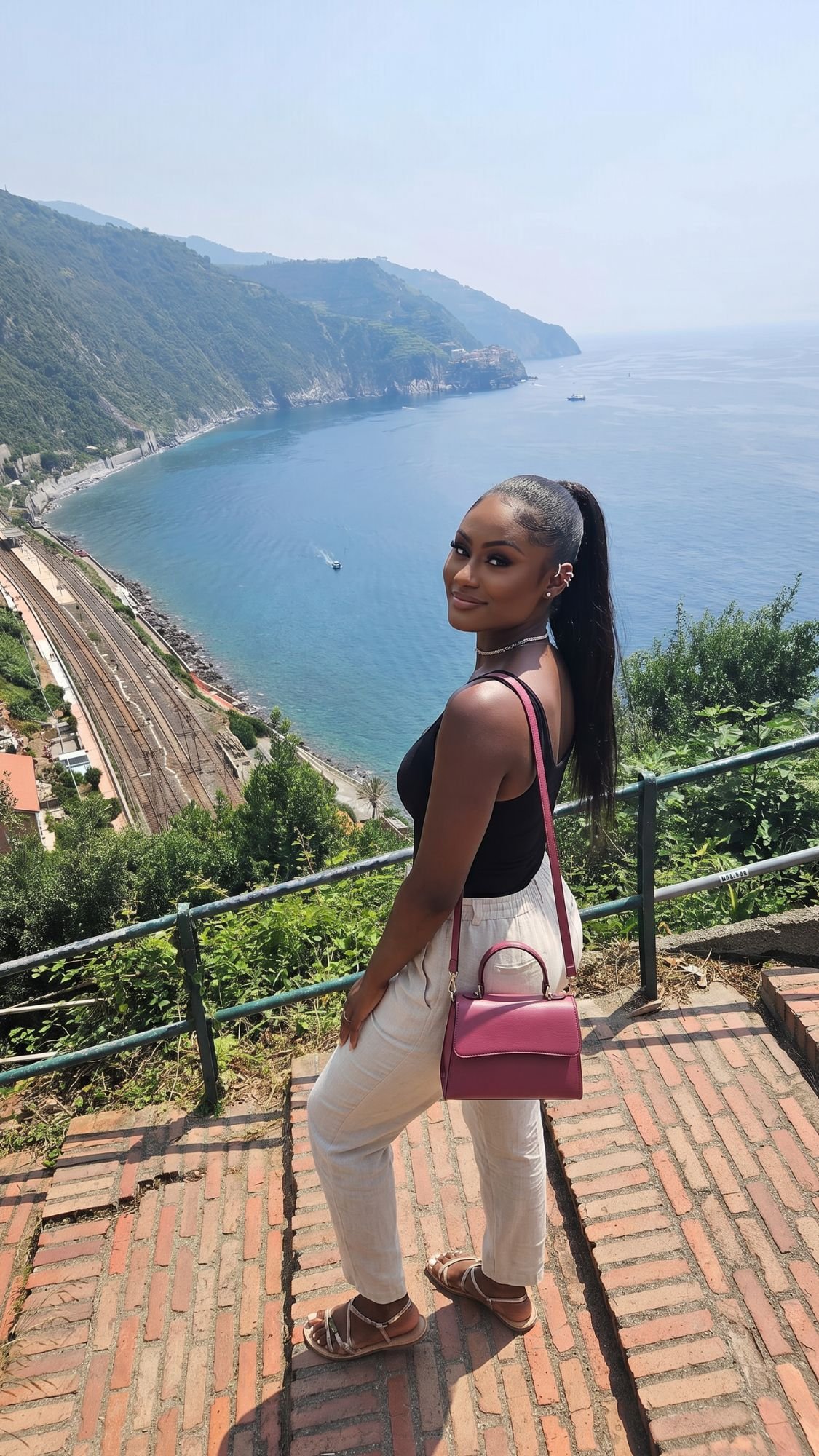
Cinque Terre is one of the easiest ways to add a big scenery payoff to a first Italy trip without completely breaking your route. It pairs naturally with Florence and the north, it looks exactly as postcard-perfect as people hope, and it gives the article a very different kind of energy from Rome, Florence, or Venice.
It also helps when readers understand that Cinque Terre works best with a little structure. The official Cinque Terre Train Card currently includes access to the Blue Trail sections between Monterosso, Vernazza, and Corniglia, the Via dell’Amore, village buses, station toilets, and other park benefits, which is why this is one of those places where the official card can make the day feel much smoother. The park also notes a one-way system from Monterosso toward Vernazza on certain high-traffic dates in spring 2026, which is exactly the kind of crowd-management detail first-timers tend to miss.
Why It’s Worth It
- It is the strongest color-and-coast section in the entire article
- It breaks up the city pacing beautifully
- It works as a day trip or a short overnight add-on
- It feels visually huge without requiring a south-Italy detour
- It gives first-timers a very satisfying scenery hit with relatively clear logistics
Quick Planning Guide
| Detail | Guidance |
|---|---|
| Best time to go | Shoulder season or early starts in warmer months |
| Time to budget | Full day minimum |
| Cost | Moderate |
| Best add-on | Boat ride between villages if weather cooperates |
| Nearby pairing | Florence or a northern Italy route |
| Route logic | Best as 1 to 2 nights, or a well-structured day trip |
| Rain backup | Keep expectations flexible and focus more on food, views, and easier village movement |
Best For / Skip If
| Best for | Skip if |
|---|---|
| Scenic travelers, photographers, and readers who want a classic coastal add-on | You dislike stairs, slopes, or crowd-heavy viewpoints |
Want the lower-friction version of Cinque Terre?
Compare guided day trips and boat-based options here if you want the views without turning the day into a transport puzzle.
- Visit all 5 villages of the colorful Cinque Terre National Park on this guided day trip from Florence with or without hiking.
- Depart Florence early to discover the enchanting Cinque Terre, colorful villages, terraced vineyards, and Pisa’s world-famous Leaning Tower.
- Enjoy a unique day tour of UNESCO-listed Cinque Terre from Florence.
- Marvel at the wonderful colorful houses and epic scenery as you explore this unforgettable place.
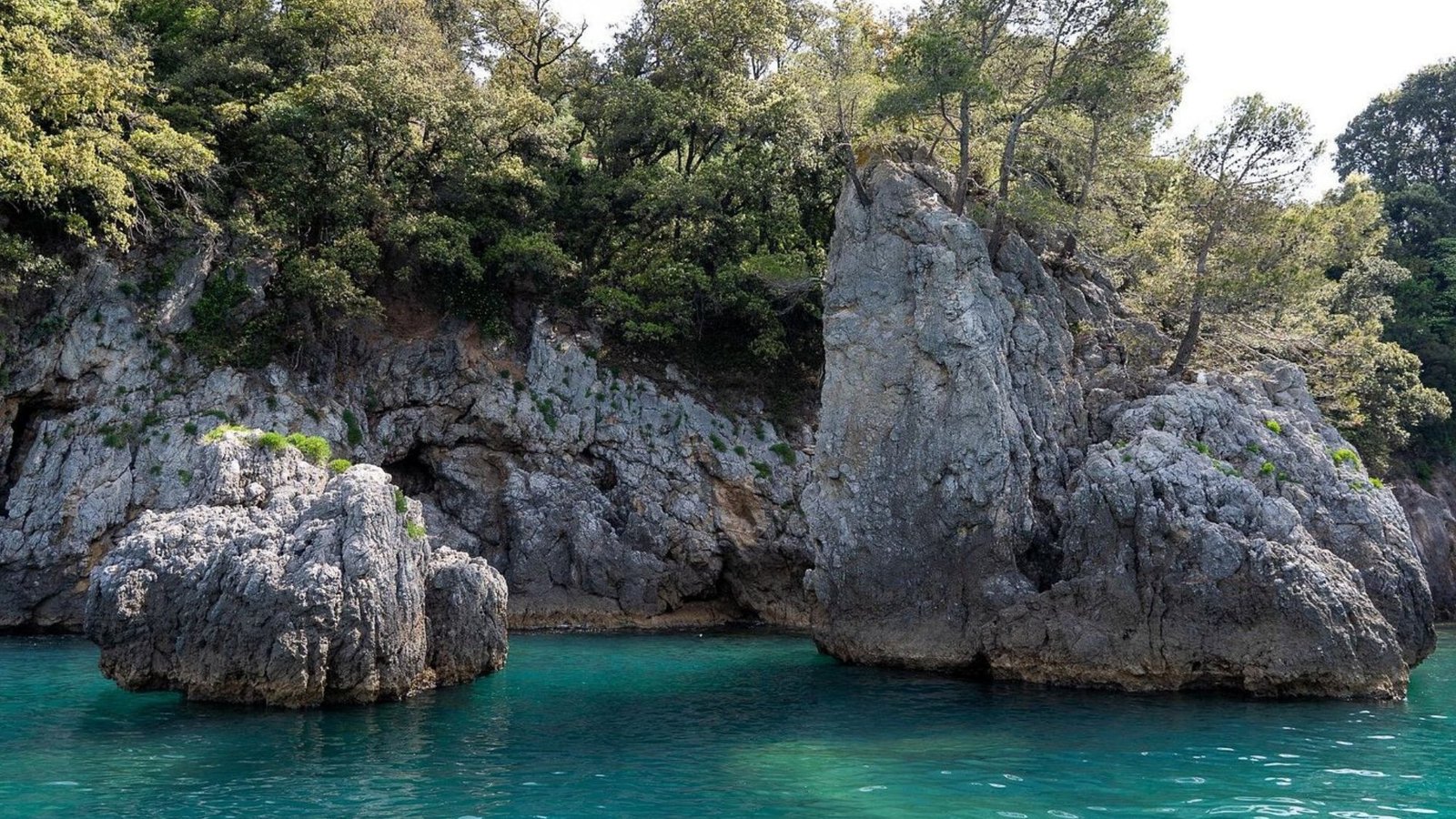
- Visit Riomaggiore or Portovenere as the first stop, then Monterosso and Vernazza, and swim in the clear Mediterranean Sea.
Budget or Splurge
| Budget | Splurge |
|---|---|
| Regional train hopping with the official card and a simple village plan | Guided boat-based or small-group day experience |
The planning detail that makes this section more useful than a generic “go to Cinque Terre” recommendation is the card system. The official park site lists 2026 Train Card adult pricing from €22 to €35 for one day between March 14 and November 1 depending on demand band, and says the cards can be purchased at park infopoints from La Spezia to Levanto or online. That does not mean every reader needs to memorize the pricing grid, but it does mean Cinque Terre is easier when treated as a managed destination instead of a spontaneous free-for-all.
Cinque Terre earns its place here because it gives first-timers that bright, postcard coastal moment without forcing them all the way south. If Amalfi feels too logistically ambitious, this is usually the cleaner choice.
7. Take A Proper Amalfi Coast Day By Sea, Not Just A Stressful Drive-By

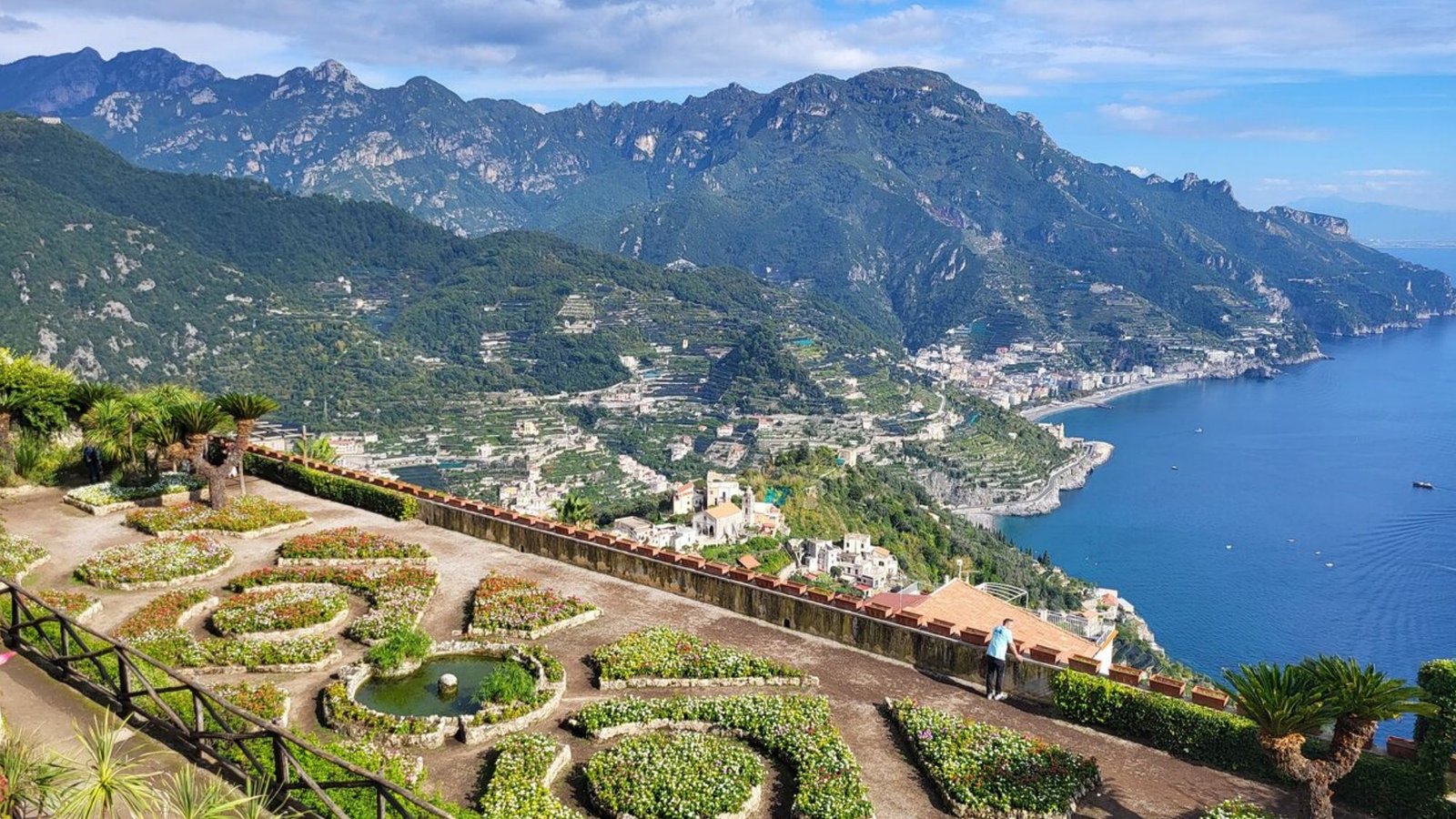
The Amalfi Coast belongs on a first big Italy trip because it delivers one of the clearest wow-factor moments in the country. Italy’s official tourism site describes the coast as a UNESCO-listed stretch running from Positano to Vietri sul Mare, with high cliffs, tiny bays, and the kind of scenery that looks almost offensively unreal in good weather.
It is also one of the easiest places to do badly if you treat it like a fast checklist stop. For first-timers, the smarter move is usually to experience the coast from the water, not just through a blur of buses, parking stress, and road curves. Amalfi’s official destination site is run by the City of Amalfi’s destination management organization, and it prominently features boat excursions, sailing trips, and small-group cruise experiences as core ways to experience the coast.
Why It’s Worth It
- It gives the trip one of its biggest scenic highs
- It feels dramatically different from Rome, Florence, Venice, and Cinque Terre
- A boat-based day usually shows the coastline at its best
- It is one of the strongest splurge-worthy moments in the article
- It works well as a statement add-on when the trip needs one big glamorous day
Quick Planning Guide
| Detail | Guidance |
|---|---|
| Best time to go | Late spring to early fall |
| Time to budget | Full day, or 2 nights if you want it to feel less rushed |
| Cost | Moderate to high |
| Best add-on | Boat day, Positano stop, or Pompeii pairing |
| Nearby pairing | Naples, Sorrento, or a longer Rome-to-south extension |
| Route logic | Best for longer first trips, not ultra-short ones |
| Rain backup | Shift to Pompeii, Naples, or a less boat-dependent day |
Best For / Skip If
| Best for | Skip if |
|---|---|
| Readers who want glamour, scenery, and one standout splurge | You want the simplest, cheapest, or least weather-sensitive add-on |
Want the best version of Amalfi?
Compare Amalfi Coast boat days here if you want the scenic payoff without turning the day into a stressful drive-by.
- Sail along the Amalfi Coast from Sorrento and marvel at the beauty of the world’s best-known coastline. Stop to swim and visit Positano and Amalfi.
- Marvel at the beauty of the Amalfi coast on a full-day cruise from Sorrento.
- Swim in hidden coves, explore Amalfi and Positano, enjoy light lunch with drinks and toast with limoncello on the way back.
- Stroll through the charming streets of these iconic seaside towns.
- Journey from Rome to Pompeii in a modern coach. Explore its fascinating ruins with a local guide, then soak in the stunning views on a scenic drive on the Amalfi Coast before discovering Positano.
Budget or Splurge
| Budget | Splurge |
|---|---|
| Structured group day trip with a few major stops | Private or semi-private boat-focused coastal day |
One reason this section works so well for a first trip is that it solves a pacing problem. Amalfi gives you a completely different flavor of Italy without asking you to care about museums, church entry windows, or how many Renaissance masterpieces you can process before lunch. It is more about the feeling of the place, the water, the vertical towns, the light, and the relief of letting one day be about scenery instead of strategy. Italy’s official tourism material explicitly highlights stops like Positano, Amalfi, Ravello, Atrani, Cetara, and the Fiordo di Furore, which is part of why the coast feels so layered even when you only sample one piece of it.
Amalfi is most worth it when you have enough time or budget to do it comfortably. If you try to force it into an already overstuffed trip, it can become the prettiest stressful day of your life. If you give it room, it becomes one of the most memorable.
8. Finish With A Lake Como Boat Day If You Want A Softer, More Polished Finale

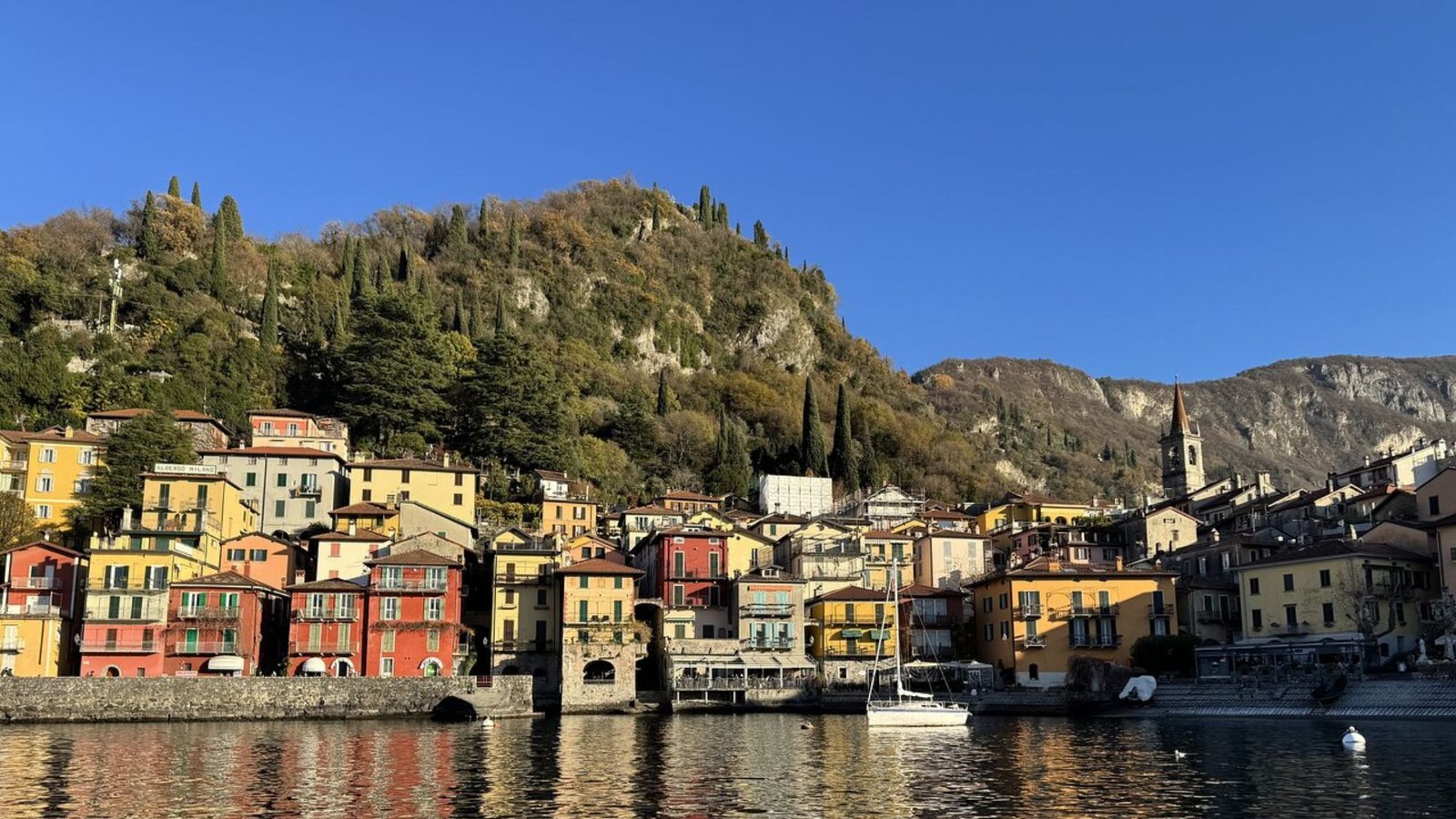
Lake Como is the cleanest “beautiful ending” in this whole article. If Amalfi is the dramatic coastal splurge, Lake Como is the calmer, more polished finale that lets a first Italy trip end on a softer note. The official Como tourism site describes a tour of the lake by boat as a must-do because it reveals villas and shoreline views that are not visible from the street, which is exactly why this section works so well as a final add-on instead of just another pretty place on the map.
It is also one of the easier scenic upgrades to keep manageable if you respect the ferry system. The official Navigazione Laghi site currently shows Lake Como timetables covering routes like Como to Colico and the central-lake ferry links around Bellagio, Varenna, and Menaggio, and it advises passengers to arrive about 20 minutes before departure because summer and holiday periods can bring significant queues at ticket offices. The same official service also notes that routes may be suspended in bad weather or strong wave conditions, which is useful to know before you build the day too tightly.
Why It’s Worth It
- It gives the trip a calmer, more elegant final chapter
- The lake-and-villas atmosphere feels instantly memorable
- It pairs naturally with a Milan exit or northern rail finish
- A boat day gives you scenery without asking for a high-effort sightseeing grind
- It adds a soft-luxury angle without needing a whole separate trip
Quick Planning Guide
| Detail | Guidance |
|---|---|
| Best time to go | Spring through early fall |
| Time to budget | Full day, or 1 to 2 nights if you want a slower finish |
| Cost | Moderate to splurge |
| Best add-on | Shared cruise, public ferry hopping, or a villa visit |
| Nearby pairing | Milan or a northern rail route |
| Route logic | Best as a final stop |
| Rain backup | Keep timing flexible and lean more on town wandering than boat-heavy plans |
Best For / Skip If
| Best for | Skip if |
|---|---|
| Readers who want scenic calm, polished atmosphere, and a gentler ending | You want the most budget-first or weather-proof finish possible |
Want the elevated version of Lake Como?
Add a Lake Como cruise to your final Italy days if you want the softer, more polished version of this stop instead of just point-to-point ferry hopping.
- Experience the magic of Lake Como on a private speedboat tour, gliding past iconic villas, charming villages, and stunning landscapes.
- Discover Lake Como and its magnificent villas aboard an authentic Venetian water taxi, feel the lake breeze, and, thanks to the audio guide, learn about the history of the most iconic buildings on the lake.
- Explore Lake Como on board your private vintage wooden speedboat.
- Explore the wonders of the lake on board a Venetian taxi, a classic-style boat seating up to 11 with all the comforts you look for in a boat, such as a panoramic cabin and comfortable seating spaces.
- Join your private captain for an exclusive 2 hour private boat tour on Lake Como.
Budget or Splurge
| Budget | Splurge |
|---|---|
| Public ferry between towns like Bellagio, Varenna, and Menaggio or Shared boat tour | Private or semi-private Lake Como boat cruise |
One reason Lake Como works so well for a first trip is that it does not ask you to perform the destination. You do not need a packed checklist here. You mostly need a well-timed boat, a good base, and enough room in the schedule to let the place feel calm. The official Como tourism site specifically highlights towns like Bellagio, Varenna, Cernobbio, Torno, Menaggio, and Argegno as standout lake stops, which makes this a very easy section to scale up or down depending on how much time you have left.
Lake Como earns its place because it lets the trip end beautifully instead of loudly. If you want your final Italy memories to feel elegant, scenic, and just a little bit smug in the best possible way, this is a very strong closer.
What To Book First And What To Leave Flexible
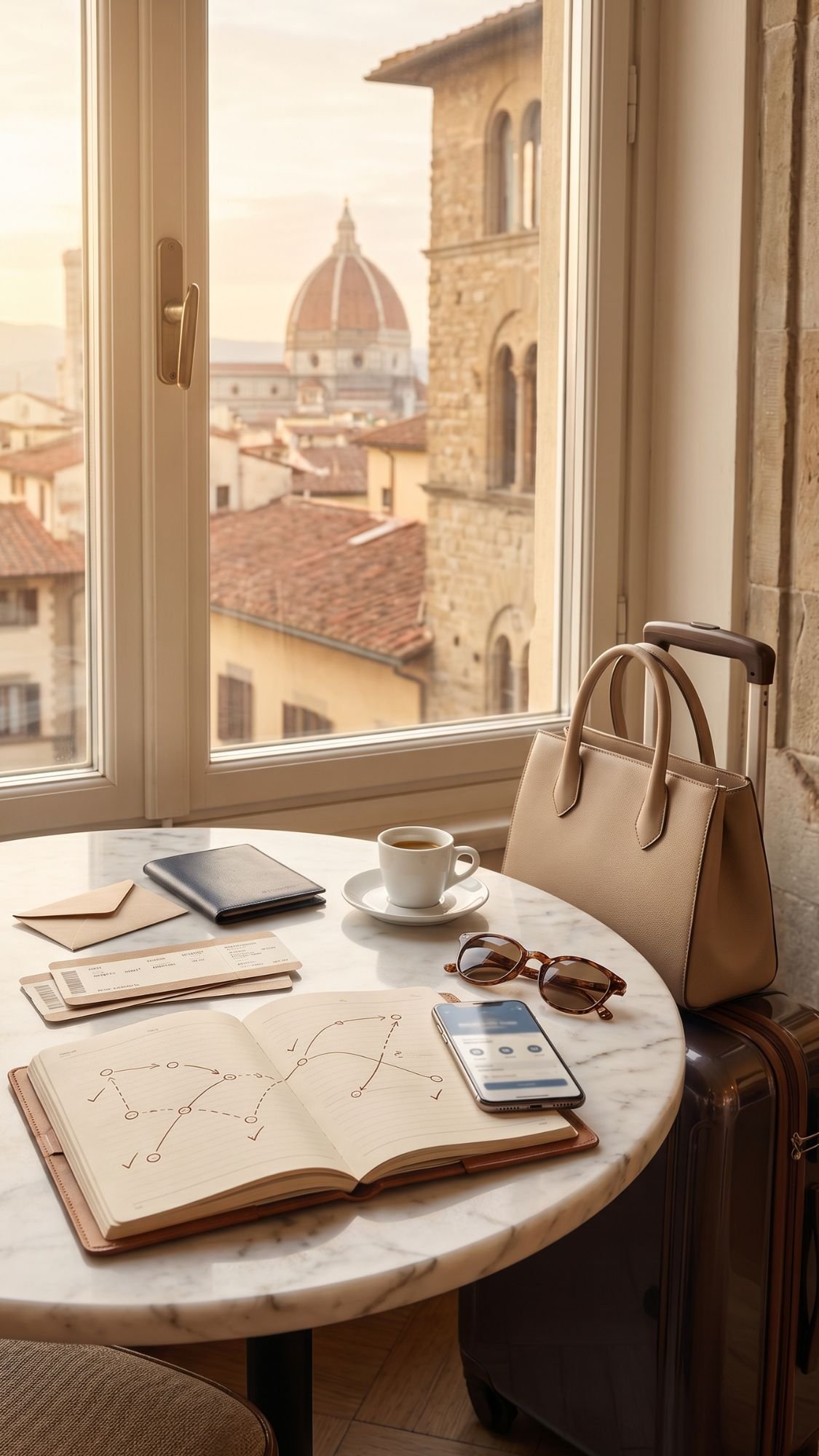
This is the section that saves a first Italy trip from becoming way more annoying than it needs to be. The easiest way to keep the trip smooth is to lock in the things that have real ticket pressure, then leave the lower-stakes parts of the itinerary loose enough to breathe. That approach matters because several of Italy’s biggest first-timer sights now have official timed-entry systems, named tickets, pass rules, or day-specific visitor management.
Book These Early
- Colosseum Official ticket sales open 30 days before the visit date, the Colosseum requires a reserved time slot, and tickets are issued in the holder’s name with ID required at entry. That makes this one of the clearest “book first” items in the whole trip.
- Vatican Museums The Vatican Museums state that the only official online ticket portal is their own and explicitly warn travelers about scam or lookalike domains charging more. This is not the place to casually wait and hope for the best.
- Florence Duomo climb The official Brunelleschi Pass gives access to the full Piazza del Duomo complex for 3 calendar days, but the Dome climb itself requires the specific booked date and time slot, and the official site says that reservation cannot be changed or canceled once issued. From March 1, 2025 onward, an identity document is also required for Dome access.
- Pompeii Pompeii’s official site currently says tickets are personal and that there is a daily limit of 20,000 entries, with admission split into time bands. That is exactly the kind of detail that can turn “we’ll decide later” into “why is this sold out or awkward now?”
- Venice day visits on access-fee dates If you are visiting Venice as a day-tripper during the 2026 trial period, the official site says the access fee applies on designated dates from April 3 to July 26, 2026, generally from 8:30 a.m. to 4:00 p.m. The official FAQ also says the price is €5 if paid by the fourth day before access and €10 within the three days before entry.
- Boat-heavy Amalfi or Lake days in peak season These are more weather-sensitive than museum tickets, but they are also the kinds of experiences that get snapped up first when people want specific departures, better timing, or smaller group options. That is especially worth remembering if you are traveling in late spring or summer. This is an editorial planning recommendation based on the booking-sensitive nature of these paid activities.
Leave These More Flexible
- Casual dinners
- Sunset walks
- Neighborhood wandering
- Extra museums you would only do if energy and weather cooperate
- Lower-stakes scenic add-ons that have multiple departures or easy DIY versions
That mix is what keeps the trip from feeling overengineered. Your fixed-entry attractions create the spine. Everything else can be layered around them.
Rail-First Rule For The Core Route
For Rome, Florence, Venice, Naples, and Milan-linked routing, train-first planning is still the easiest default. Trenitalia’s Frecciarossa network explicitly covers corridors like Venice–Bologna–Florence–Rome–Naples–Salerno and Turin–Milan–Bologna–Florence–Rome–Naples–Salerno, which is why the classic first-trip city backbone works so well without a car. Trenitalia also highlights fast direct links such as Rome to Florence in just over 1.5 hours, Rome to Venice in under 4 hours, and Rome to Naples in just over 1 hour.
Quick Reference Table
| Item | Prebook? | Why |
|---|---|---|
| Colosseum | Yes | Timed entry, 30-day sales window, named ticket rules |
| Vatican Museums | Yes | High demand and official portal warning |
| Florence Duomo climb | Yes | Pass system plus fixed Dome time slot |
| Uffizi | Usually | Strongly worth prebooking on shorter Florence stays |
| Pompeii | Yes | Personal tickets and daily visitor cap |
| Tuscany day trip | Usually | Easier logistics, especially without a car |
| Venice gondola | Optional | Depends on season and how specific you want the experience to be |
| Cinque Terre day tour | Optional | Helpful if you want structure, not essential if you are comfortable DIY |
| Amalfi boat day | Usually | Strong seasonal demand and weather-sensitive timing |
| Lake Como cruise | Optional | Great upgrade, but easier to leave semi-flexible than museum tickets |
The biggest first-timer mistake is not underplanning or overplanning by itself. It is planning the wrong things too late. Book the pieces that actually have rules, caps, or fixed slots. Leave the rest loose enough that the trip still feels like a vacation.
What First-Timers Usually Forget For Italy
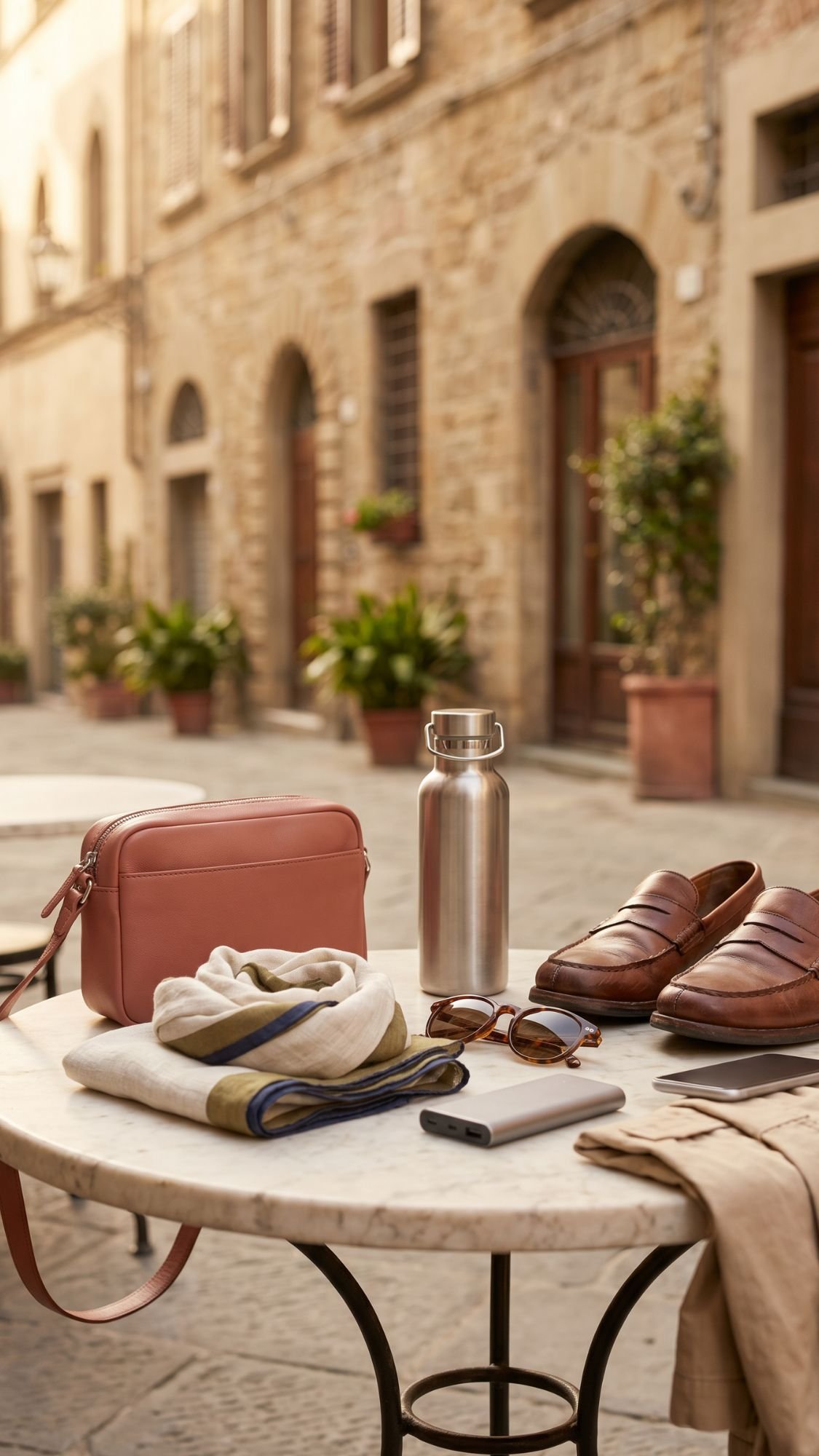
This part is not glamorous, but it is the kind of thing that quietly decides whether your trip feels polished or mildly irritating. Italy is full of beautiful days that involve stone streets, surprise staircases, church dress expectations, long museum hours, and the kind of weather shifts that make you very aware of the one layer you did not bring.
The goal is not to pack more. It is to pack smarter for a trip that moves between cities, scenic add-ons, and a lot of walking.
Pack These On Purpose
- Comfortable shoes that still look decent in photos This is not the trip for stiff “fashion only” shoes unless you enjoy regretting your decisions on cobblestones.
- Light layers Mornings, train rides, church interiors, and evenings can all feel different from the middle of the day.
- A modest coverage option This matters more than people think for cathedral and church-heavy sightseeing. The official Florence Duomo guidance says appropriate clothing is required for places of worship, including covered shoulders and knees, and that entry is not permitted with flip-flops, bare shoulders, or legs uncovered above the knee.
- A secure crossbody or compact day bag You want something easy to carry all day that still feels city-friendly.
- Portable charger Timed-entry tickets, train info, maps, and translation apps all somehow decide to matter at the same time.
- Sun protection Especially for Tuscany, Cinque Terre, Amalfi, and Lake Como days.
- A refillable water bottle Walking-heavy sightseeing days are much easier when you are not constantly buying water in a panic.
Quick Prep Checklist
| Item | Why it matters |
|---|---|
| Walkable shoes | Stone streets and long sightseeing days add up fast |
| Light scarf or extra layer | Useful for churches, trains, and cooler mornings |
| Smart casual outfit | Helps for nicer dinners and elevated city photos |
| Compact rain layer | Helpful in spring and fall, especially on multi-city trips |
| Offline ticket access | Timed-entry days are smoother when confirmations are already saved |
| Small day bag | Easier than hauling a giant tote through crowded cities |
One Easy Mistake To Avoid
Do not treat every sightseeing day like a blank canvas where any outfit and any bag will work. Some sites are stricter than people expect. Florence’s Duomo complex also requires certain larger bags to be left at luggage storage before entry, so showing up with a bulky backpack can create a very annoying detour right when your timed visit starts.
Packing well for Italy is mostly about reducing friction. When your shoes work, your layers make sense, and your outfit can get into both a church and a nice dinner, the whole trip feels easier.
Photo + Content Creator Notes
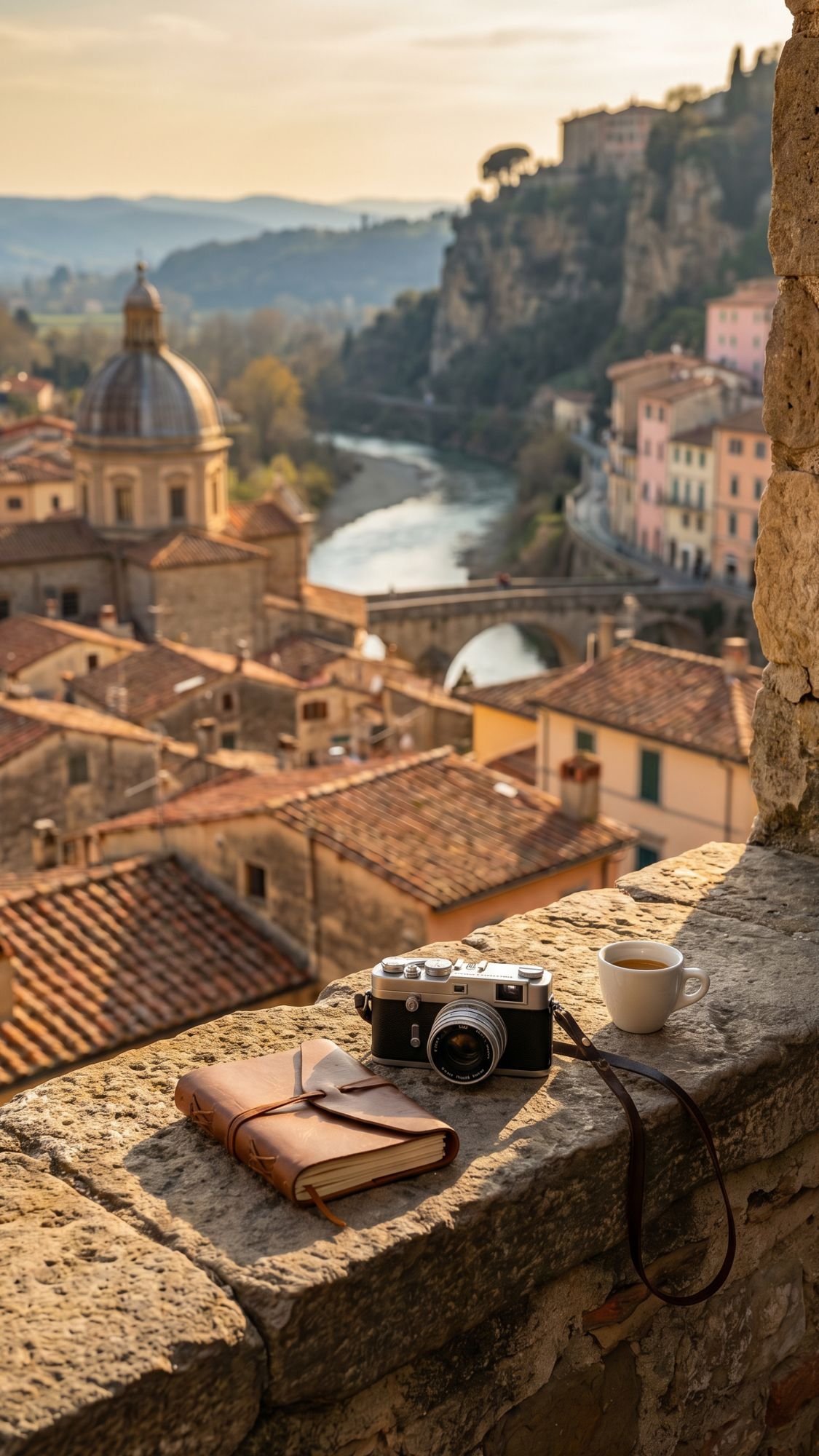
This is the part of the trip where it helps to stop chasing random pretty corners and start thinking in terms of strong visual moments. Italy gives you no shortage of photogenic places, but not every beautiful thing is equally worth stopping for, shooting, or building visuals around.
Rome should look grand and historic. Florence should feel artful and warm. Venice should lean atmospheric. Cinque Terre should feel bright and colorful. Amalfi should feel dramatic and polished. Lake Como should feel calm and expensive in the softest possible way.
Best Visual Moments By Stop
- Rome: early-morning Colosseum exteriors, wide ancient-stone views, dramatic approach shots
- Vatican area: architecture, dome views, polished street-level frames, elegant approach imagery
- Florence: Duomo reveals, narrow-street framing, Ponte Vecchio side angles, warm late-afternoon stone
- Tuscany: cypress roads, vineyard overlooks, hill-town skylines, long-lunch countryside mood
- Venice: blue-hour canals, bridges, reflections, quiet side streets, vaporetto perspectives
- Cinque Terre: elevated village viewpoints, stacked pastel buildings, cliffside sea shots
- Amalfi Coast: coastline from the water, vertical towns, terrace views, high-contrast Mediterranean color
- Lake Como: ferry decks, shoreline villas, soft mountain layers, polished waterside town scenes
Best Time Of Day For Photos
| Place | Best light | Why it works |
|---|---|---|
| Rome | Early morning | Fewer crowds and cleaner architectural shots |
| Vatican area | Morning | Crisp light and more polished street scenes |
| Florence | Morning and golden hour | Best for warm stone tones and street depth |
| Tuscany | Late afternoon | Softer countryside light and richer landscape mood |
| Venice | Blue hour and early morning | Best reflections and most atmospheric canal shots |
| Cinque Terre | Late morning to golden hour | Bright color payoff and stronger village views |
| Amalfi Coast | Bright daylight from the water | The sea and cliffside towns look best with full sun |
| Lake Como | Late afternoon | Softer, calmer, more refined lake mood |
What Is Actually Worth Photographing
- Strong sense-of-place views
- Transport moments that feel specific to Italy
- Approaches to major landmarks, not just the landmark dead-center every time
- Scenic layers like rooftops, water, hills, and stone streets
- One or two polished lifestyle shots per stop if they support the blog’s tone
What Is Usually Worth Skipping
- Generic food flat lays with no destination context
- Overposed crowd-heavy landmark shots
- Random hotel hallway or lobby filler
- Ten versions of the exact same canal, piazza, or viewpoint
- Anything that looks pretty in person but does not actually help the story of the section
Etiquette Notes
- Be respectful in churches and sacred spaces
- Do not block bridges, narrow alleys, or marina walkways
- Keep portrait moments brief in crowded viewpoints
- Avoid turning a busy public space into your private set
- Prioritize one strong image over a hundred rushed mediocre ones
FAQ
Is this the right Italy article for a first-time visitor?
Yes. This article is built for readers planning a first big multi-stop Italy trip who want the iconic experiences prioritized instead of trying to do every famous region at once. The route logic also reflects how easy the main first-timer spine is by rail between major cities like Rome, Florence, Venice, Milan, and Naples.
How many days do you need for a first big Italy trip?
For the version of Italy this article is recommending, 10 to 14 days is the sweet spot. That gives you enough time for the classic city backbone plus one or two scenic add-ons without turning the whole trip into constant hotel changes. The suggested structure comes directly from the approved outline and handoff notes in your drafting prompt.
Do you really need to book major Italy attractions in advance?
For several of them, yes. The Colosseum requires a reserved time slot and currently opens ticket sales 30 days before the visit date, the Vatican Museums state that their own portal is the only official online ticket site, and the Florence Duomo complex requires a booked time slot for the Dome climb through the Brunelleschi Pass.
Can you do a first Italy trip without renting a car?
Yes, especially for the core route this article is built around. Trenitalia says Frecciarossa trains run into the centers of Italy’s major cities and explicitly lists corridors connecting places like Venice, Florence, Rome, Naples, Milan, and Salerno, which is why a rail-first approach works so well for a first trip.
Is Venice still charging an access fee?
Yes, on designated 2026 dates. The official Venice access-fee site says the 2026 access fee begins on April 3 and applies only on the highlighted dates, generally from 8:30 a.m. to 4:00 p.m. On non-highlighted days, no payment or exemption action is required.
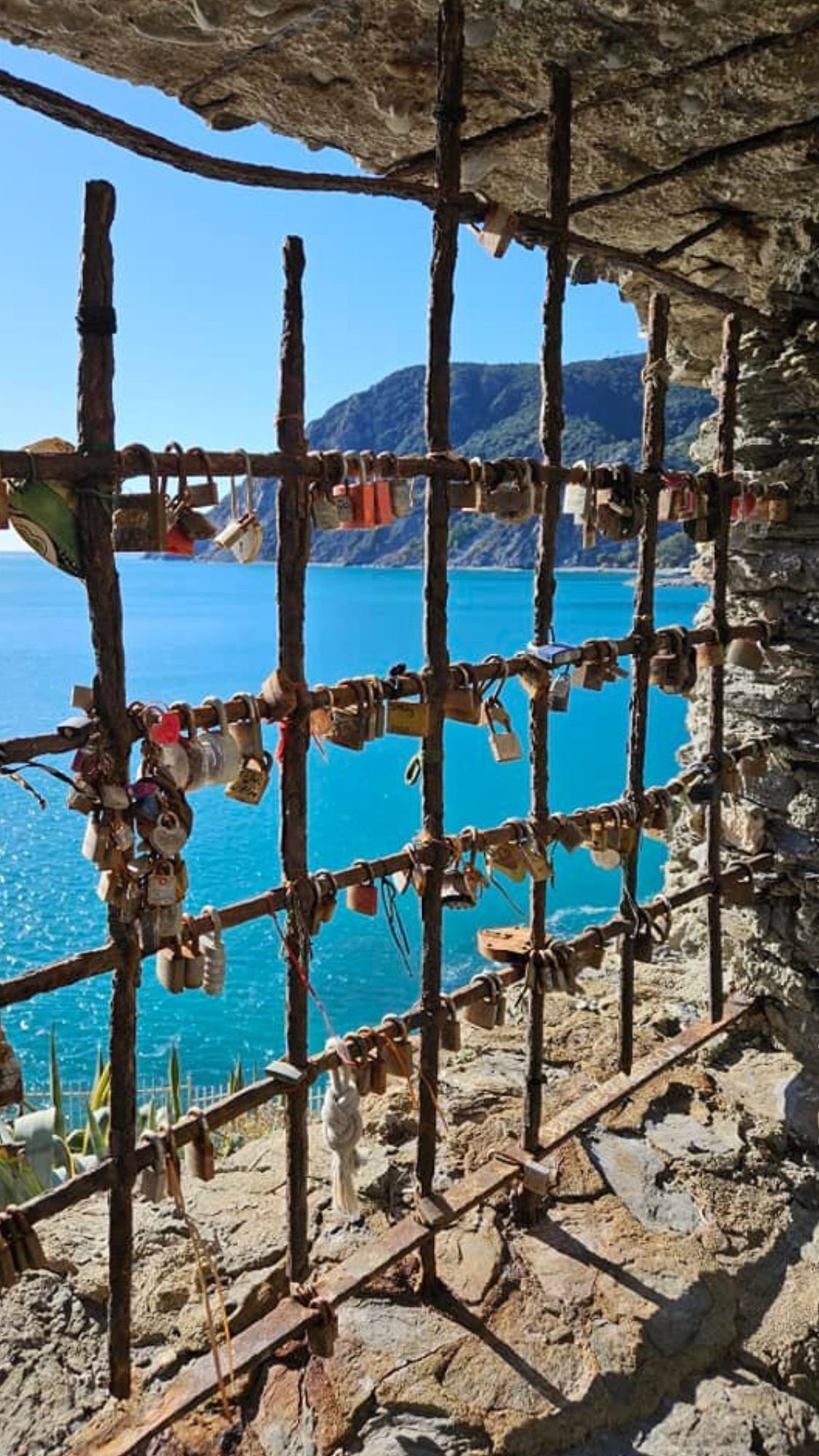
Is Cinque Terre easy for first-timers?
Yes, if you treat it like a destination that benefits from a little structure. The official card guidance says the Cinque Terre Card Treno MS includes second-class regional train travel on the Levanto–La Spezia route plus park-area services, and that is a big part of why village-hopping is manageable for first-timers.
Amalfi Coast or Lake Como for a first big trip?
Amalfi is the better pick if you want the bigger scenic-drama moment and do not mind more logistics. Lake Como is the better pick if you want a calmer, more polished finale with easier lake-town pacing and official ferry links between places like Bellagio, Varenna, and Menaggio.
Final Thoughts On What Is Actually Worth Prioritizing On Your First Italy Trip
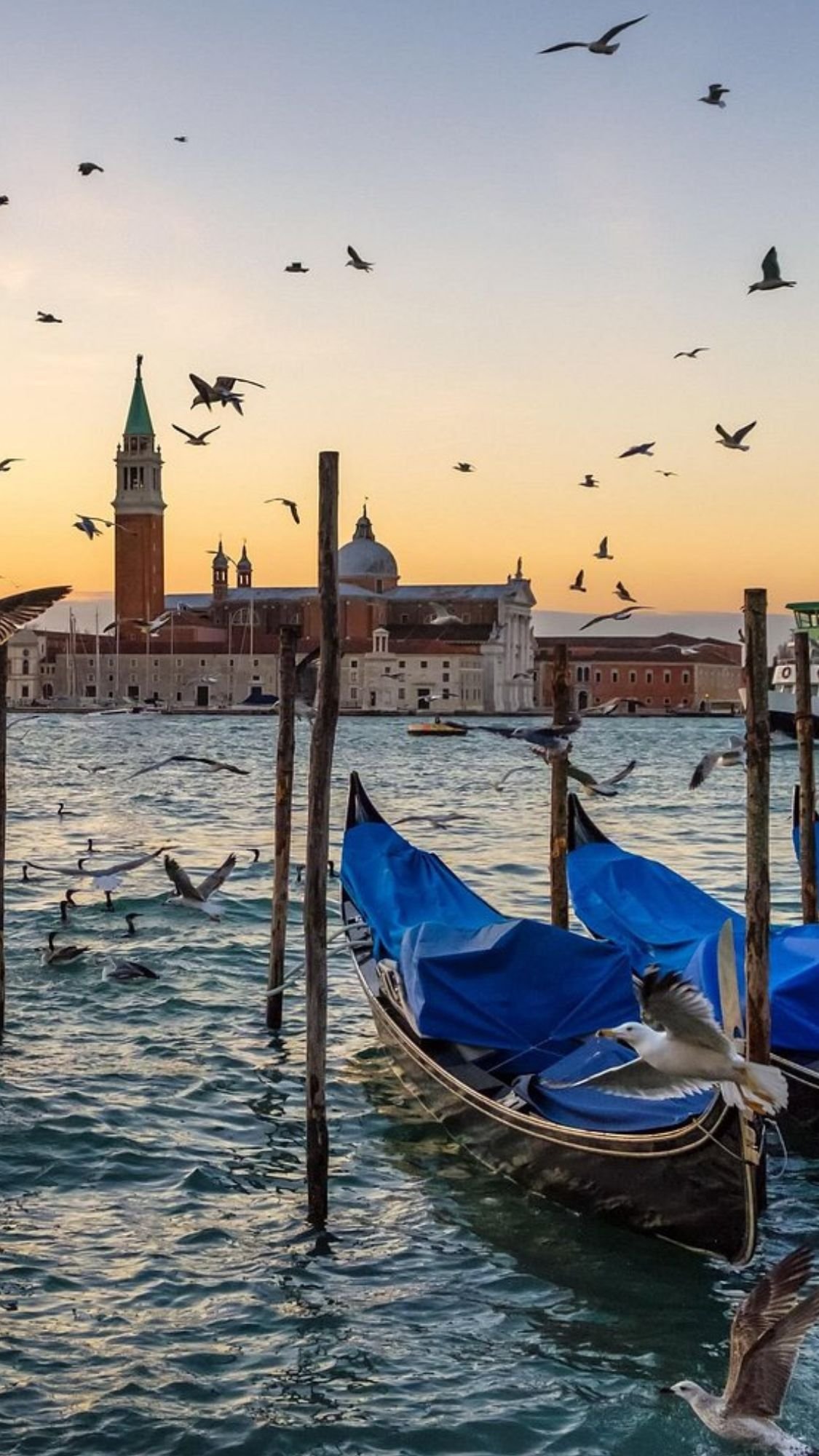
The best first trip to Italy is not the one where you technically see the most. It is the one where the route makes sense, the highlights actually feel worth the effort, and you still have enough breathing room to enjoy the country instead of sprinting through it.
That is why this list works best as a priority-first guide, not a pressure-filled checklist. Rome, the Vatican, and Florence give you the cultural backbone. Tuscany, Venice, Cinque Terre, Amalfi, and Lake Como give you the scenery, atmosphere, and emotional payoff that make the trip feel bigger than just museum entries and train platforms.
If you take one thing from this article, let it be this: your first big Italy trip does not need every famous place. It needs the right mix of iconic cities, memorable scenery, and smart planning. That is what turns the trip from impressive on paper into genuinely unforgettable.
And honestly, that is the whole goal. Not to come home bragging that you “did Italy.” Just to come home already plotting how to go back.