

What if your hobby could pay bills and spark joy for others? The digital marketplace is exploding with demand for unique, handcrafted items – and you don’t need a fancy studio or art degree to capitalize. Over 30 beginner-friendly projects can launch your entrepreneurial journey using materials you likely already own.
This guide reveals how creative minds like yours are building steady income streams through clever, low-investment ideas. We’ll explore why 72% of successful makers started with less than $100 upfront – and how their secret sauce isn’t perfection, but authenticity.
You’ll discover how to spot trends before they peak (hint: it’s not about chasing viral fads). Learn which materials deliver maximum profit margins and why some creators earn full-time incomes while others struggle with pricing. Most importantly, we’ll break down the exact steps to transform your skills into sales – no corporate jargon, just real-world strategies that work.
The best part? Your first customer could be just weeks away. Let’s unpack how to turn “I made this” into “They bought this” – and keep them coming back for more.
Introduction to the DIY Craft Business Opportunity
Imagine transforming your creative spark into a thriving side hustle that fits around your schedule. The DIY revolution isn’t just about glue guns and Pinterest boards – it’s a $40 billion economy where authenticity beats factory-made perfection every time.
Why Hands Create Happiness
Platforms like TikTok and Instagram have turned crafting sessions into viral sensations. Viewers aren’t just watching – they’re buying. A 2023 study revealed 68% of shoppers prefer items with human fingerprints over sterile, mass-produced goods.
Working with materials activates what psychologists call “flow state” – that magical zone where stress dissolves and ideas flourish. It’s self-care that pays dividends, both mentally and financially.
From Passion to Paycheck
Launching your creative business requires minimal startup costs but offers maximum flexibility. Successful makers often begin with:
- Social media storefronts (zero rent)
- Local craft swaps (free market testing)
- Upcycled materials (eco-friendly profits)
The real magic happens when your hobby becomes someone else’s treasure. One candle maker turned $15 wax supplies into $3,000 monthly sales – just by sharing her process through Instagram Stories.
Exploring the World of Crafts to Make and Sell DIY

Your creative potential holds more value than you realize—especially in today’s booming handmade economy. The modern maker movement spans everything from digital art downloads to intricate home accents, each with its own profit sweet spot. Let’s navigate this vibrant landscape together.
Consider this: printable wall art requires minimal effort but generates recurring income. Meanwhile, resin jewelry demands skill but justifies higher prices. Your choice depends on two factors—time investment and material costs. The trick? Balance what excites you with what buyers crave.
Here’s a snapshot of popular categories:
| Type | Time Investment | Profit Margin | Best For |
|---|---|---|---|
| Digital Printables | 1-2 hours | 85%+ | Quick launches |
| Textile Creations | 3-5 hours | 60-75% | Seasonal trends |
| Resin Art | 6+ hours | 90-200% | Luxury buyers |
Notice how digital products eliminate inventory headaches? That’s why 43% of new creators start there. But don’t overlook physical items—personalized ceramics and woven baskets are surging in popularity across US markets.
The key is matching your skills to demand. Love painting but hate shipping? Partner with print-on-demand services. Prefer hands-on work? Local fairs pay premium prices for tactile goods. Your niche exists—you just need to claim it.
Low-Cost DIY Products for Beginners
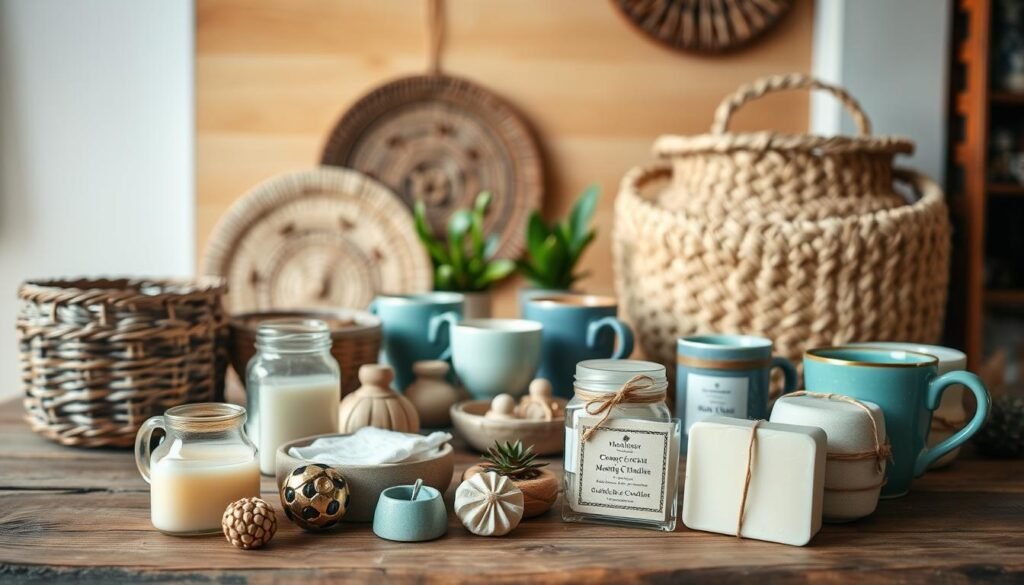
Your kitchen cabinet might hold the seeds of your next income stream. Starter projects thrive on accessible materials and smart sourcing – think baking soda transformed into $8 bath bombs or recycled jars becoming rustic organizers. Let’s explore how to launch without breaking the bank.
Budget-Friendly Material Sourcing
Smart creators know dollar stores hide gold. Bulk bins at craft stores offer 50-70% discounts on essentials like epsom salts and essential oils. Pro tip: Shop post-holiday clearances for discounted molds and packaging – Valentine’s heart containers work perfectly for February bath bombs.
| Product | Material Cost | Retail Price | Profit Margin |
|---|---|---|---|
| Bath Bombs | $0.45 | $5.99 | 92% |
| Resin Magnets | $0.08 | $3.50 | 97% |
| Digital Planners | $0 | $7.99 | 100% |
High-Profit Simple Projects
Printable wall art proves digital products rule – create once, sell infinitely. One Ohio maker earns $300/month selling downloadable grocery lists. Physical items like magnets shine too: customize resin pieces with dried flowers or vintage photos for instant charm.
Mason jars never lose appeal – pair them with dollar store twine and chalk labels for farmhouse chic. Remember: True profit calculations include your time. Batch-producing 50 magnets in 2 hours? That’s $167/hour at $3.50 each. Now that’s smart creating.
Handmade Items for Home Décor and Gift Market
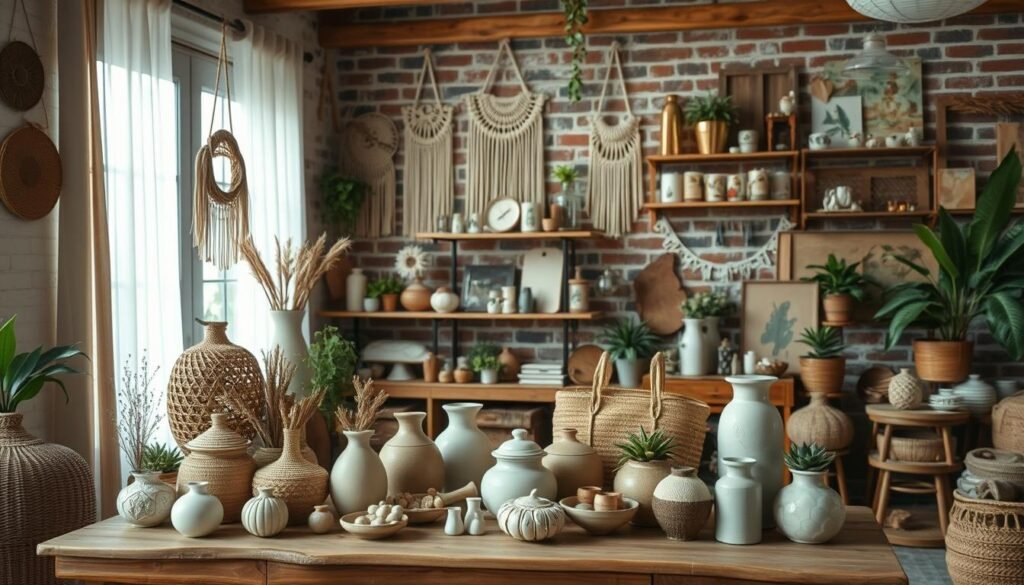
Your living room could become your most profitable workspace. The $62.5 billion home decor industry thrives on pieces that blend personality with function – and your handmade items hold the key to capturing this demand.
Decorative Accessories for Every Home
Throw pillows dominate sales charts for good reason. They’re affordable to produce yet command $25-$50 price points when personalized. One Texas artist turned state-shaped pillows into a $12,000/month business by targeting local pride.
Wall art and ceramic planters follow closely, appealing to renters and homeowners alike. The secret? Design pieces that transition seamlessly between styles. Geometric patterns work in modern lofts, while botanical prints suit farmhouse kitchens.
| Product | Best Occasions | Average Margin |
|---|---|---|
| Custom Coasters | Housewarmings, Weddings | 75% |
| Seasonal Wreaths | Holidays, Birthdays | 110% |
| Textile Wall Hangings | Anniversaries, Graduations | 85% |
Gift buyers drive 38% of home decor sales – especially during May-June (graduation season) and November-December. Limited-edition holiday items create urgency, while evergreen designs sustain year-round income.
Pricing requires balance. Materials x3 works for small items, but charge 20% more for custom work. A $15 pillow base becomes $48 when monogrammed – buyers pay premium for that human touch machines can’t replicate.
Seasonal and Holiday Craft Ideas

The scent of pine needles and cinnamon isn’t just holiday magic—it’s the smell of profit waiting to be claimed. Seasonal creations tap into nostalgia and tradition, letting you charge premium prices for emotional value that mass-produced goods can’t match.
Creating Festive Ornaments and Wreaths
Christmas wreaths dominate December sales, with 63% of buyers purchasing fresh designs yearly. Focus on versatile materials like:
- Dried citrus slices (works for winter and summer themes)
- Interchangeable ribbon bows (update styles annually)
- Patriotic mason jars (sell for 3+ holidays)
One maker tripled her revenue by offering customizable ornaments with family initials – proof that personalization drives repeat orders.
Capitalizing on Seasonal Trends
Timing beats talent in this niche. Start crafting Valentine’s items in January and Halloween décor by July. Top performers use this strategy:
| Holiday | Launch Month | Best-Seller |
|---|---|---|
| Christmas | September | Personalized stockings |
| Fourth of July | May | Flag-themed centerpieces |
| Easter | February | Bunny-shaped planters |
Extend sales with holiday wreath designs that work for multiple occasions. A rustic burlap wreath sells for Memorial Day through Thanksgiving when paired with swapable seasonal accents.
Customizable and Personalized DIY Projects
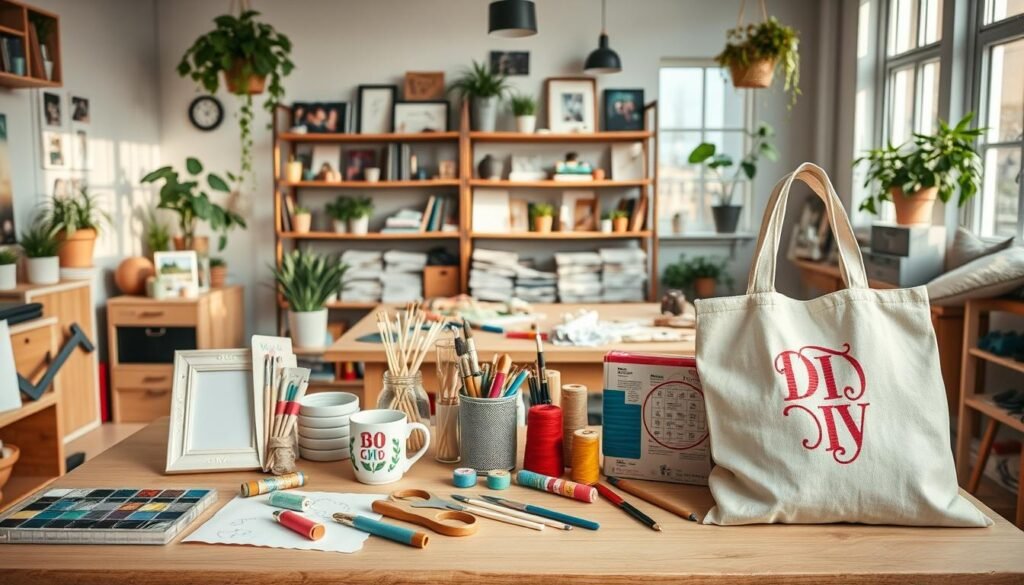
Your handwriting could be worth more than you think. Personalized products dominate online marketplaces, with 79% of shoppers willing to pay extra for items featuring their name, pet’s photo, or meaningful dates. This isn’t just commerce – it’s emotional storytelling people wear, display, and gift.
Unique Touches with Handcrafted Details
Traditional methods like embroidery create heirloom-quality pieces. Modern makers use vinyl cutters for crisp lettering on tumblers and phone cases. Both approaches share one secret: customization triples perceived value. A $5 keychain becomes $25 when laser-engraved with wedding dates.
| Method | Skill Level | Profit Margin |
|---|---|---|
| Hand-Stamped Jewelry | Beginner | 300% |
| Digital Portrait Art | Intermediate | 500% |
| 3D-Printed Nameplates | Advanced | 250% |
Print-on-demand services remove inventory risks. Upload your designs once – platforms handle printing and shipping when customers order. One creator earns $8,000/month selling customizable nursery art through this model.
Success lies in balancing uniqueness with efficiency. Create templates for popular requests (birth months, pet breeds) while leaving room for special touches. A Texas maker turned $3 leather tags into a $45k/year business by adding pawprint engravings – proof that personalization pays.
Leveraging Online Marketplaces for DIY Crafts
Your next customer might be browsing right now—sipping coffee while scrolling through handmade treasures. Online platforms eliminate geographical limits while handling payment processing and marketing infrastructure. Let’s explore how to turn digital storefronts into profit engines.
Platform Power Plays
Etsy remains the go-to for artisanal goods, with 96 million active buyers seeking unique pieces. Amazon Handmade offers built-in trust through Prime shipping, while niche sites like Crealandia attract eco-conscious shoppers. Each platform serves different audiences:
| Marketplace | Best For | Fees | Traffic Source |
|---|---|---|---|
| Etsy | Boutique items | 6.5% + listing | Organic search |
| Amazon Handmade | Mass appeal | 15% referral | Prime members |
| Crealandia | Sustainable goods | 5% flat | Social media |
Optimize listings using platform-specific keywords. Etsy favors detailed tags like “personalized wooden coasters”, while Amazon rewards concise titles. One maker increased sales 300% by adding “gift-ready packaging” to product descriptions.
Photography makes or breaks conversions. Use natural light and lifestyle shots—a soap seller doubled orders by showing products in bathroom settings. Schedule posts during peak browsing hours (7-9 PM weekdays) when users shop leisurely.
Remember: Marketplaces are launchpads, not final destinations. Collect emails through order inserts to build your independent shop. A jewelry designer now earns 60% of revenue through her website after starting on Etsy—proof that strategic platform use fuels long-term growth.
Building Your Own Online Store for Crafts
What if every visitor to your site became a repeat customer? Creating your digital storefront unlocks this potential—no more competing in crowded marketplaces or surrendering profits to fees. Platforms like Ecwid by Lightspeed turn website creation into paint-by-numbers simplicity, offering templates that showcase your products like gallery pieces.
Designing a User-Friendly Website
Your business deserves a home that reflects its personality. Start with clean layouts that load quickly on phones—53% of shoppers abandon sites that take over 3 seconds. Use high-contrast buttons for “Add to Cart” actions and feature customer reviews prominently. One candle maker increased conversions 40% by placing testimonials under product images.
SEO isn’t just tech jargon—it’s how customers find you. Tools like Ecwid automatically generate meta descriptions, but add your flair. Instead of “hand-poured candles,” try “small-batch lavender soy candles for relaxation.” This specificity ranks better and connects emotionally.
Integrate email sign-ups with every purchase. A simple “Get 10% off your next order” pop-up builds your list while rewarding buyers. Pair this with social media links in the footer—your store becomes the hub of a thriving creative community.
Craft Fairs and Local Selling Strategies
Your community could become your most loyal customer base. Weekend craft fairs and farmers markets attract crowds seeking unique, locally-made treasures – perfect for testing new designs while building face-to-face connections.
Seasonal items dominate these spaces. Patriotic wreaths sell briskly at summer fairs, while holiday ornaments fly off tables in December. Price small items like bath bombs at $3-$5 for impulse buys – bundle them in sets of three for higher sale totals.
Successful sellers use two secret weapons: eye-catching displays and quick customization. Use tiered stands to showcase products at different heights. Keep a portable engraver or stamp handy to personalize purchases on-site – “I’ll add your initials while you browse!” works wonders.
Don’t overlook digital-local hybrids. Facebook groups let you announce booth locations and preview exclusive crafts. One mom earned $1,200 monthly by posting “sneak peek” videos of her handmade cards before weekend markets.
Remember: People crave stories behind their purchases. Share your creative process as they shop – it transforms casual browsers into devoted fans who’ll follow you from fair to online store.