
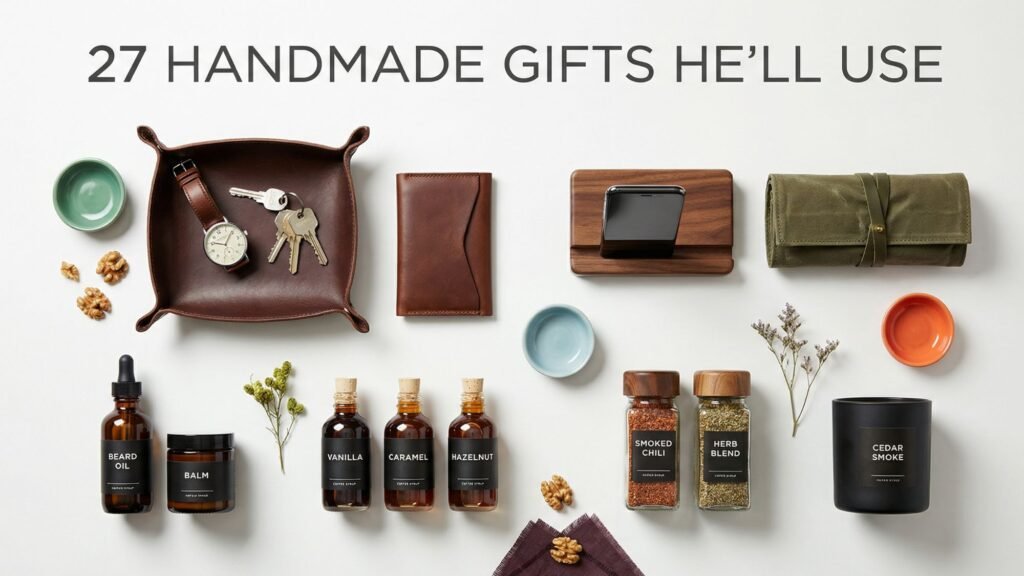
Useful Beats Cute, Every Time
If your boyfriend already has a drawer full of “sentimental” gifts he never touches, you don’t need to add to the pile. You want the kind of handmade gift he grabs on a random Tuesday without thinking. The ones that live on his desk, ride in his car, or sit by the door like they belong there.
I’ve made plenty of DIY gifts that looked adorable and got used exactly once, so yeah, I learned my lesson. In my workshop, I’ve found that the “use it daily” gifts share two things: durability and frictionless convenience. Does it solve a tiny problem in his day, like losing keys or untangling cords? Does it survive real life, like pockets, spills, and being tossed around? If it checks those boxes, you’ve got a winner.
Here’s how this post helps you actually nail it:
- Each idea includes the why, what, and how, not just vibes
- I call out common mistakes, plus how to fix them fast
- You’ll get finishing and care tips so it lasts longer than a week
- I’ll flag places to add your own photos and videos so it feels truly original
A common mistake beginners make is over-decorating the gift instead of upgrading the parts that matter, like the finish, the hardware, or the seams. Cute details are fun, but strong construction is what makes him keep it.
My “Pro Secret” That Makes Handmade Gifts Look Store-Bought
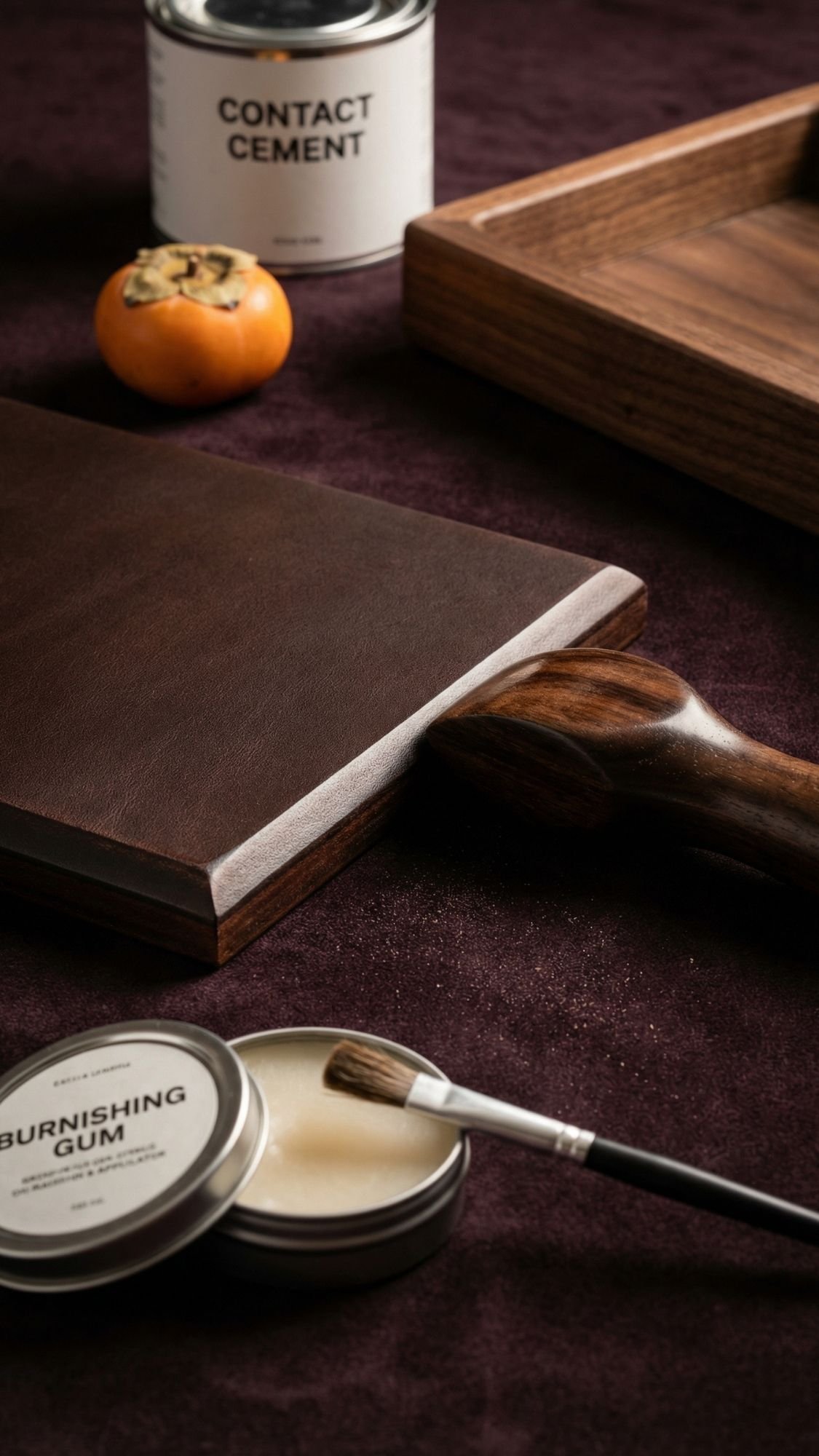
If you want him to use it, you need it to feel legit in his hands. Not “aww you made this,” but “wait… you made this?” The fastest way to get there isn’t fancy tools or complicated designs. You win with finishing. Finishing turns “cute DIY” into “this could be from a boutique.”
In my workshop, I’ve found that most handmade gifts don’t fail because the idea is bad. They fail because the last 10 percent gets rushed. The edges stay rough, the label peels, the finish stays tacky, the glue bond gives up after a week. So here’s the cheat code I use every time.
The Secret: Finish Like A Nerd
Wood gifts
- Sand to 180 or 220 grit, then stop. Over-sanding can actually reduce stain absorption.
- If you use soft wood like pine or birch, apply a pre-stain conditioner so the stain doesn’t go blotchy.
- Build protection with thin coats of a wipe-on topcoat. Thick coats look faster, but they cure slower and dent easier.
Leather gifts
- Skip basic craft glue for anything that takes stress. Use contact cement for structural bonds.
- Burnish the edges. That one detail instantly makes leather look expensive.
- Condition lightly. Too much oil makes leather feel greasy and attracts lint like it’s a hobby.
Food and grooming gifts
- Use clean bottles and wipe them with rubbing alcohol before labeling. Oil residue makes labels peel.
- Add a simple date label, because nobody wants mystery syrup from three months ago.
Quick “Expensive-Looking” Upgrade List
- Matte black hardware for modern vibes
- Walnut or dark-stained wood for quiet luxury energy
- One bold accent color used 2 to 3 times, max, like Cool Blue, Jade, Persimmon, Wasabi, or Plum Noir
- Clean, minimal labels with straight alignment, no crooked chaos
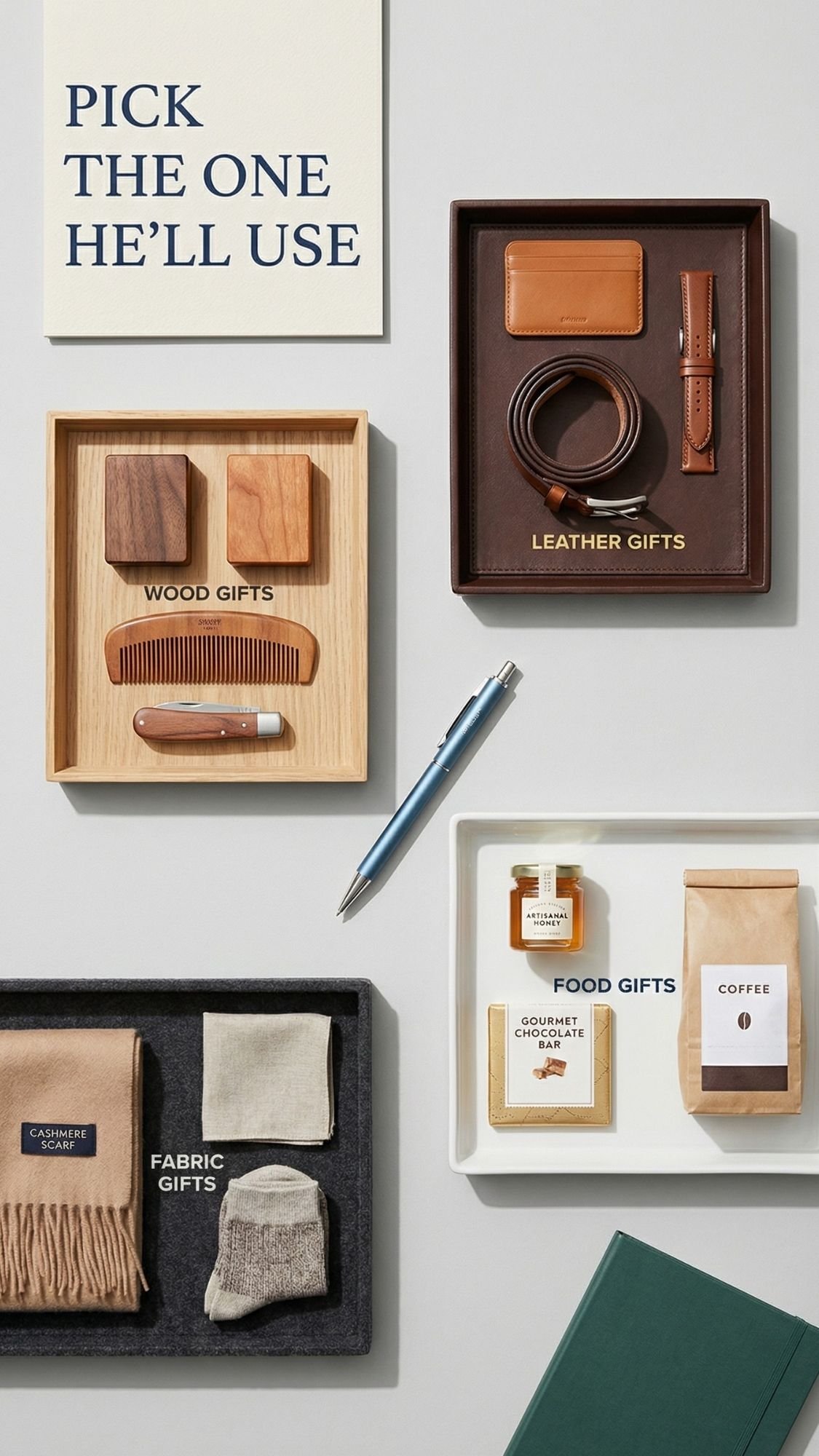
Choose The Right Build In 30 Seconds
Let’s make this easy. You don’t need to overthink it, you just need to match the gift to the way he actually lives. Ever notice how the “best gift” always solves a tiny daily annoyance? That’s the whole game.
Pick By His Daily Habits
- Always misplacing keys, wallet, or earbuds: go with a Leather Valet Tray or Personalized Key Fob
- Desk life, tech everywhere: choose a Wood Docking Station, Cable Tray, or Waxed Canvas Tech Pouch
- Gym or outdoors guy: build a Gym Hydration Kit or Climbercore Snack Box
- Grooming upgrade era: make a Beard Oil + Balm Duo or Solid Cologne Tin
- Grill guy: do a BBQ Spice Rub Set or Whiskey Infusion Jar Kit
Pick By Time + Skill
- 30 to 60 minutes (quick wins):
- Beard oil duo
- Spice rub set
- Metal stamped keyring
- Car air freshener
- 2 to 4 hours (still very doable):
- Leather valet tray
- Minimal wallet
- Waxed canvas tech pouch
- Canvas tool roll
- Weekend builds (worth it for daily use):
- Wood docking station
- Headphone stand
- Cutting board or pizza peel
Mini Checklist Before You Commit
- Does he already own something like it, and still complain about it?
- Can he use it without babying it?
- Will it live in a spot he already visits daily?
The Time I Ruined A Gift And Saved It
Okay, confession time. I once tried to “finish faster” because I wanted the gift wrapped that night. You can already guess how that went, right?
What Went Wrong
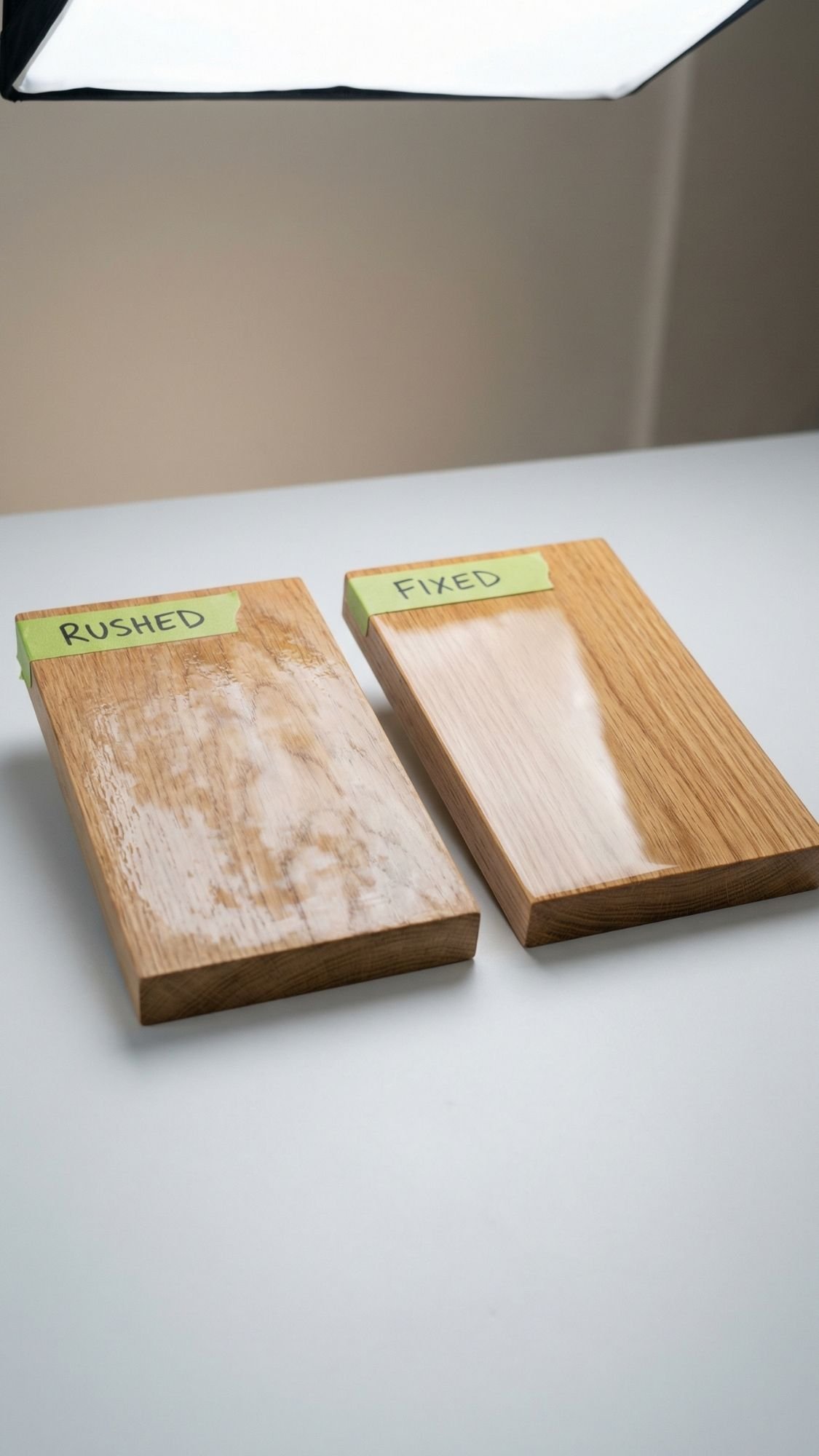
I put a topcoat on a wood gift when the air felt humid and gross. I also laid it on thicker than I should because I wanted that glossy, done-now look. The finish looked fine for a minute, then it turned cloudy and started feeling tacky. Not “ooh smooth,” more like “why does this feel like sticky tape?” :/
How I Fixed It
I stopped touching it. That alone helped. Then I moved it to a warmer, dry spot with airflow and let time do its thing. The next day, I scuff-sanded lightly with a fine grit sanding sponge, just enough to knock down the weird texture. After that, I applied thin coats of finish instead of one heavy one, and I let each coat dry the full time on the can.
The Lesson
Dry time lies. Cure time tells the truth. If you want a handmade gift that survives real life, you need patience for the last step. Annoying, yes. Worth it, also yes.
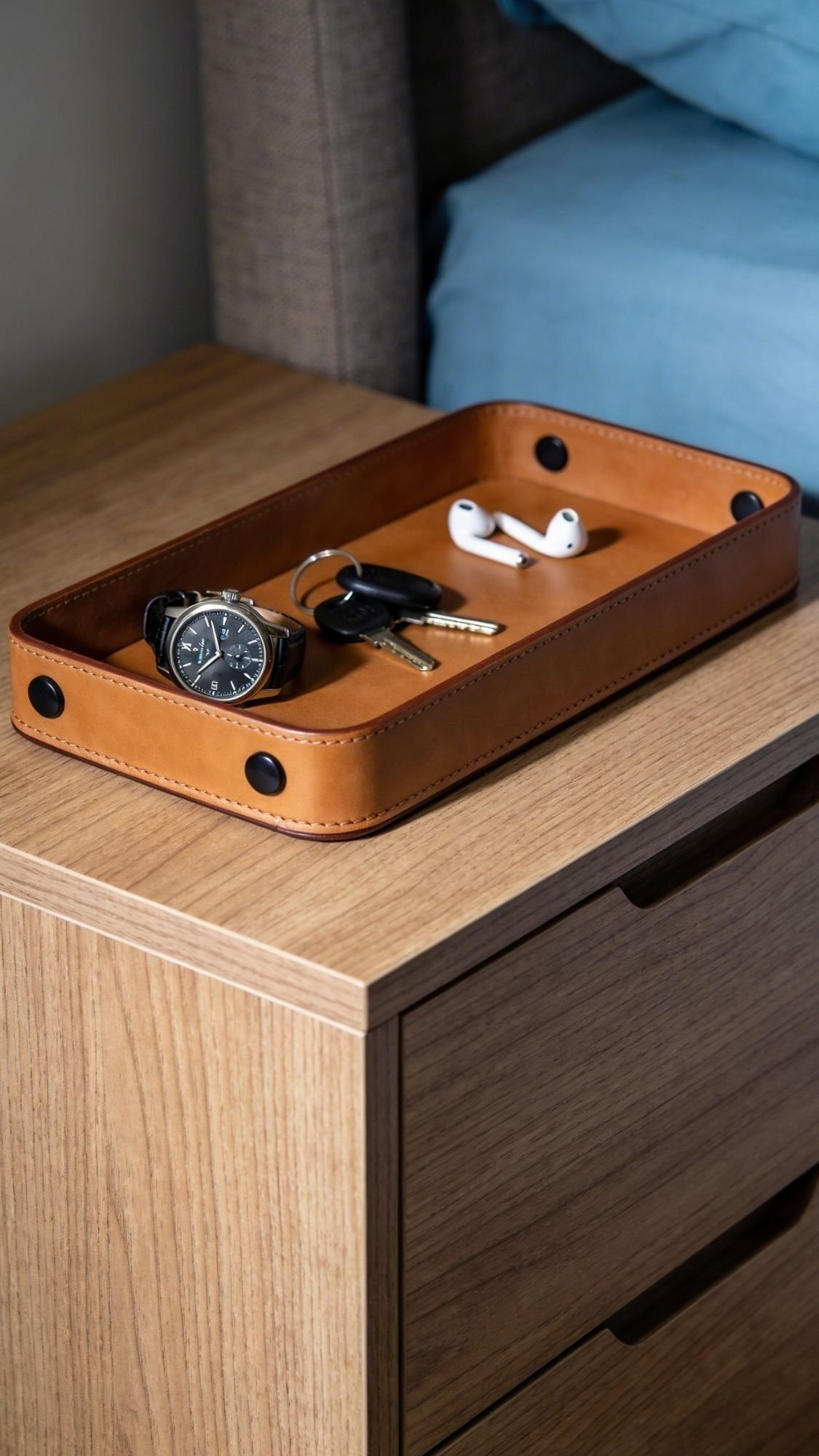
1. Leather Valet Tray: The “Drop Zone” He Uses Daily
If your boyfriend does that thing where he drops his keys, wallet, and earbuds in five different places and then “can’t find anything,” this gift fixes it. A valet tray feels simple, but it’s sneaky-useful. It becomes the one spot he empties his pockets, and that’s basically a miracle.
Why He’ll Actually Use It
- It solves a daily problem without him changing his routine
- It looks clean on a nightstand or desk, not cluttery
- It keeps small stuff from vanishing into the couch dimension
Best Materials (So It Doesn’t Look Crafty)
- Full-grain leather looks the most high-end and ages well
- Faux leather works if it’s thick and structured, avoid the thin plasticky stuff
- For hardware, pick matte black or brass snaps, both feel elevated
Tools + Supplies
- Leather (8×8 inch to 10×10 inch piece works great)
- Snap kit (or rivets), 4 sets
- Ruler + pen or silver marking pencil
- Craft knife or rotary cutter
- Hole punch (or leather punch set)
- Edge beveler (nice upgrade, not mandatory)
- Burnishing gum or a tiny bit of water, plus a slicker tool or cloth
Pro Tip
- Cut bigger than you think. Most people make trays too small, then the wallet doesn’t fit and the tray becomes a key dish only. Aim for a finished inside space that fits a wallet plus keys comfortably.
Step-By-Step (With The “Why” Built In)
- Cut a square (start with 9×9 inches). Bigger gives you cleaner folds and a tray that holds more than a single keyring.
- Round the corners slightly. Sharp corners wrinkle and look messy when folded.
- Mark snap placement about 1 inch from each corner. Keeping snaps consistent makes it sit flat and look intentional.
- Punch holes carefully. If you punch too big, snaps wobble and pull out over time.
- Set the snaps. Test one snap on scrap first if you’ve never done it, you don’t want to learn on the final piece.
- Finish the edges. Bevel lightly if you can, then burnish. This is the difference between “homemade” and “handcrafted.”
Common Mistakes (And How To Avoid Them)
- Tray feels floppy: your material is too thin. Use thicker leather, or double-layer the base.
- Snaps pull out: your holes are too large or the corner is weak. Add a small reinforcement patch inside each corner.
- Edges look fuzzy: you skipped beveling and burnishing. Even a quick burnish helps a ton.
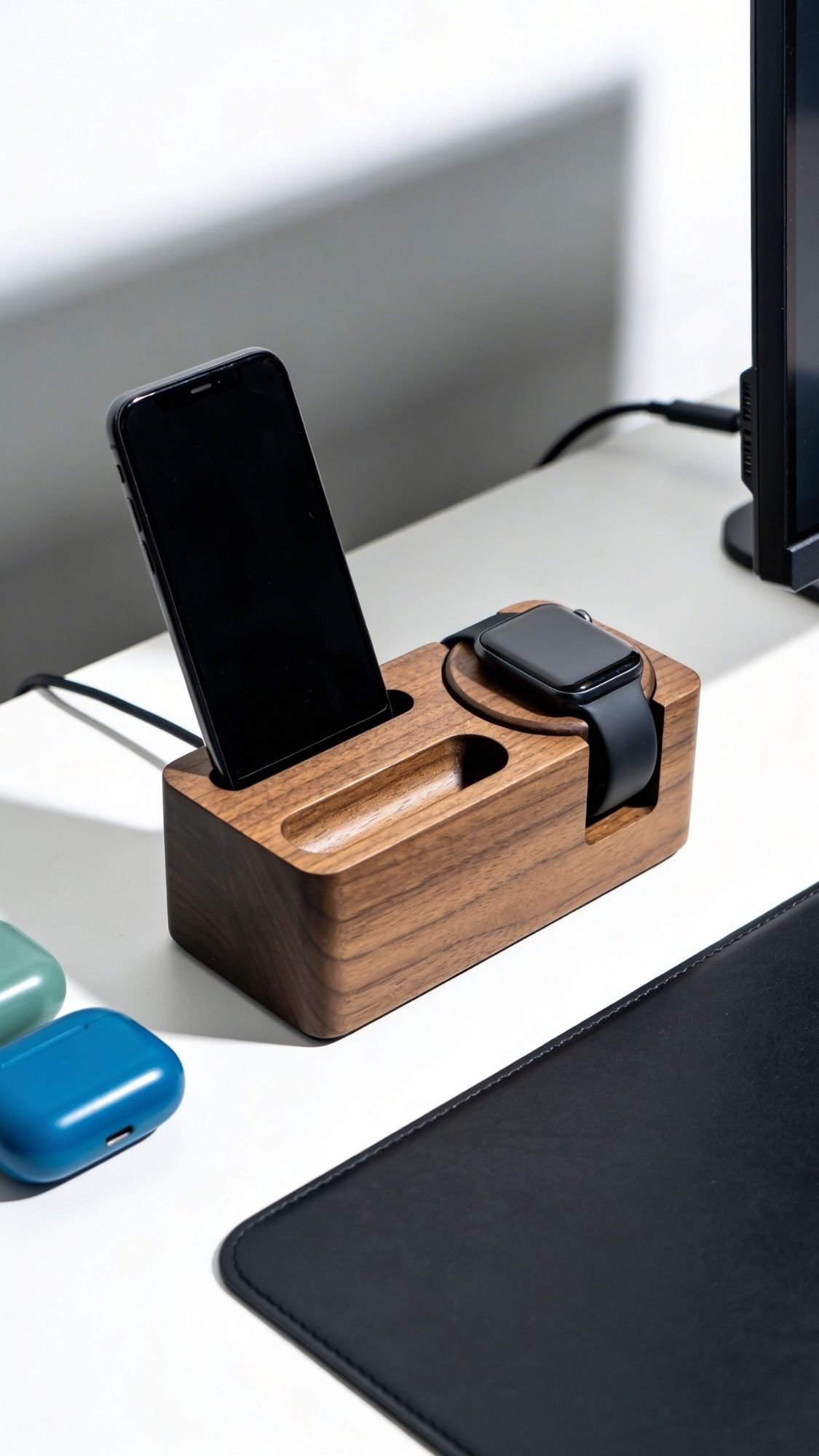
2. Wooden Docking Station: Phone + Watch + Wallet Organizer
This one hits the sweet spot: it looks impressive, it feels “real” (wood always does), and it fixes the nightly pile-of-stuff situation. If he charges his phone in a different random spot every day, this makes him look like he has his life together. And yes, that counts as romance.
Why He’ll Actually Use It
- It creates a single charging home base for his daily essentials
- It reduces cable mess without him trying harder
- It looks like something you’d buy, not something you “made for practice”
Best Wood Choices (So It Doesn’t Split Or Look Cheap)
- Walnut: dark, luxury, hides wear well
- Maple: light, clean, modern
- Oak: durable, classic grain
- Avoid soft pine unless you really know what you’re doing with conditioner and finishing, pine loves to blotch.
Tools + Supplies
- Hardwood board, about 3/4 inch thick
- Wood glue (if doing a two-piece design)
- Drill + bits
- Saw (miter, table saw, or jigsaw depending on design)
- Sandpaper: 120, 180, 220
- Finish: wipe-on polyurethane or hardwax oil
- Optional: cork feet, magnetic strip, wireless charger insert
Pro Tip
- Test-fit with his phone case on. A docking slot that fits a naked phone becomes useless the second the case exists.
Step-By-Step (The Clean, Reliable Version)
- Plan the layout on paper first. You want a phone slot, a watch spot, and a little “drop zone” space for wallet and keys.
- Cut the base. A good starting size is around 10 inches wide by 6 inches deep, but adjust to his stuff.
- Create the phone slot. Cut a groove or slot wide enough for the phone with the case, and deep enough so it doesn’t wobble.
- Drill a cable path. Run the cable through the back or underside so you don’t see the mess.
- Sand like you mean it. Go 120, then 180, then 220. Don’t skip grits unless you love scratch marks forever.
- Finish in thin coats. Thin coats cure harder and look cleaner. Thick coats turn into tacky regret.
Professional Touches That Make It Feel Store-Bought
- Add cork feet so it stays put and doesn’t scratch surfaces
- Slightly round the edges for a soft, intentional look
- Use a matte or satin finish, glossy can look plasticky fast
Common Mistakes (And Fixes)
- Slot too tight: widen gradually with sandpaper wrapped around a scrap piece of wood.
- Wood splits near screws: drill pilot holes, always.
- Finish looks cloudy or sticky: you rushed coats or humidity got you. Let it cure longer, then scuff-sand and recoat thin.
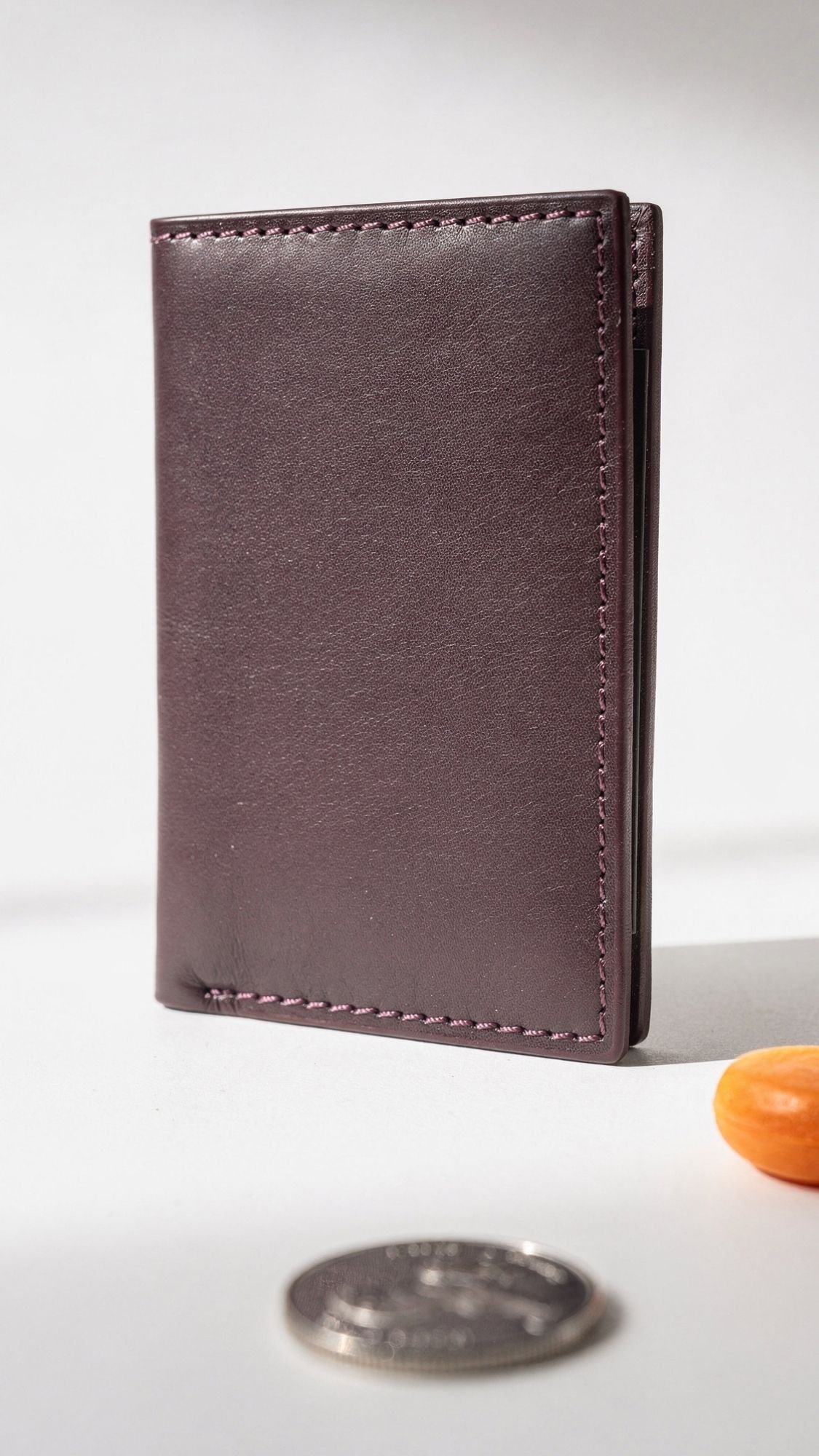
3. Minimal Leather Card Wallet: Slim, Tough, Actually Carried
This is one of those gifts that quietly becomes his favorite because it’s practical without screaming for attention. A slim card wallet works for everyday life, and it doesn’t bulge like a brick in his pocket. Plus, it’s the kind of handmade gift that feels genuinely premium when you finish it right.
Why He’ll Actually Use It
- It replaces the bulky wallet he complains about but refuses to replace
- It fits front pocket easily, which he’ll love if he sits a lot
- It looks clean and minimal, not arts-and-crafts
Leather Picks That Make It Look Expensive
- Vegetable-tanned leather if you want it to patina over time
- Chrome-tanned full-grain if you want a softer, ready-to-use feel
- Aim for 3 to 5 oz leather (thin enough to fold, thick enough to last)
Tools + Supplies
- Leather piece (roughly 8×10 inches depending on pattern)
- Wallet pattern (simple 2-pocket or 3-pocket)
- Stitching chisels (or pricking irons)
- Waxed thread
- 2 needles
- Sharp craft knife or rotary cutter
- Cutting mat + ruler
- Edge beveler (optional but makes a difference)
- Burnishing gum or water
- Contact cement (optional for holding layers before stitching)
Pro Tip
- Don’t wing the measurements. A wallet that’s even slightly off ends up annoying, and nobody wants to “adjust” their cards to make your gift work.
Step-By-Step (Clean And Reliable)
- Cut your pieces with slow, confident cuts. Wobbly edges show up forever, even after burnishing.
- Glue layers lightly (optional). A thin coat of contact cement keeps pieces from shifting while you stitch.
- Punch stitching holes evenly. Keep your chisel straight. Crooked holes create crooked stitching, and it’s hard to unsee.
- Saddle stitch by hand. This stitch holds even if one thread segment breaks, it’s why it’s the go-to.
- Trim and bevel edges. Sharp edges look unfinished and wear faster.
- Burnish edges until they look sealed. This is the “store-bought” moment. Don’t skip it.
- Condition lightly. You want it soft, not oily.
Small Details That Make It Next-Level
- Add a tiny initial stamp inside, subtle is the move
- Use a thread color that matches or contrasts on purpose, not randomly
- Hammer stitches gently to flatten them for a clean finish
Common Mistakes (And Fixes)
- Stitching looks uneven: you pulled tension inconsistently. Slow down, pull evenly each stitch.
- Leather stretches after a week: you used leather that’s too soft or too thin. Go slightly thicker next time.
- Edges stay fuzzy: bevel first, then burnish longer, then burnish again. Yes, again.
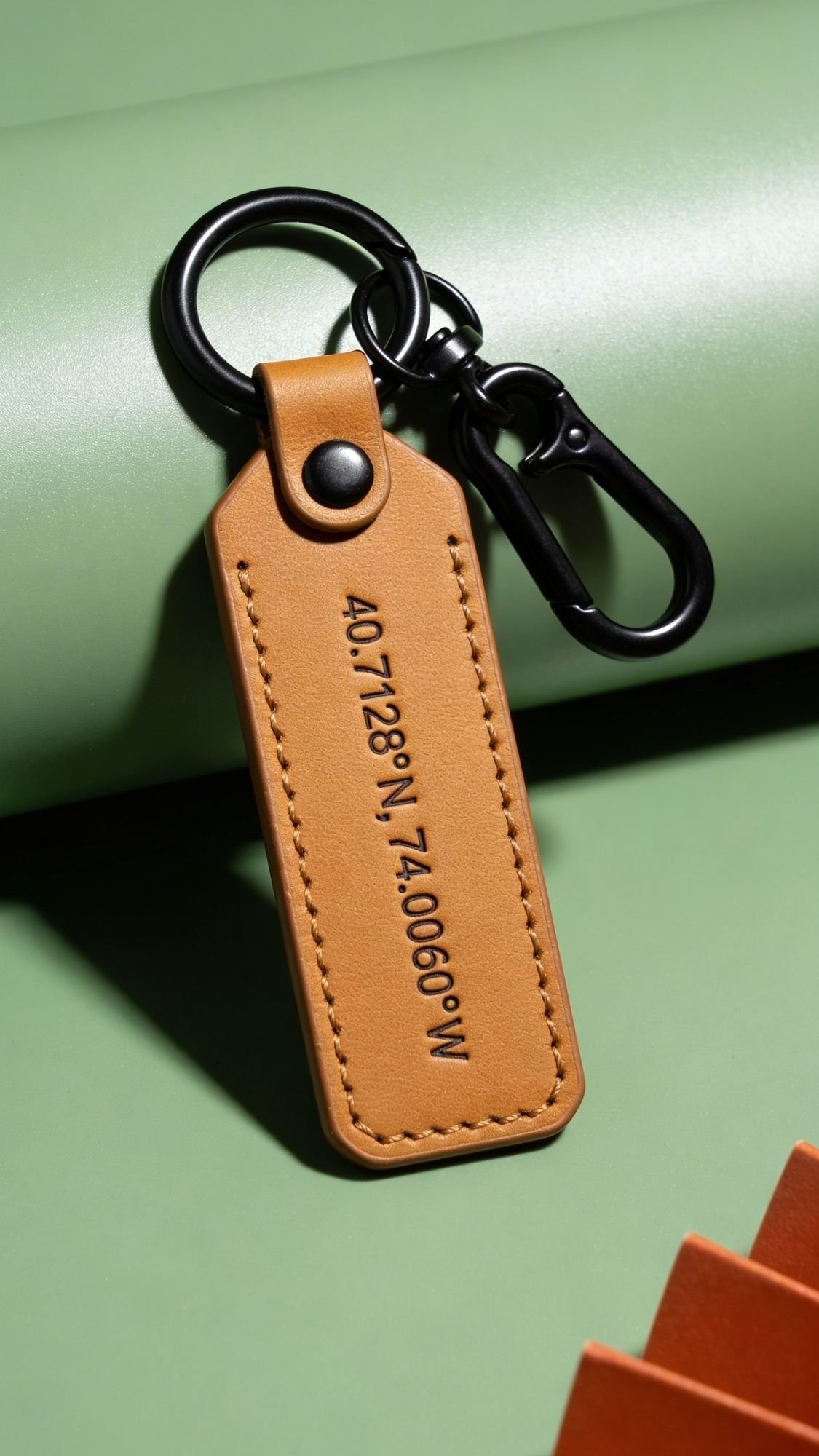
4. Personalized Key Fob With Coordinates: Small Gift, Big Use
This one is tiny, fast, and weirdly powerful. He uses his keys every day, so the gift never sits in a drawer. And adding coordinates makes it personal without turning it into a cheesy paragraph on leather. You know what I mean.
Why He’ll Actually Use It
- It attaches to something he already carries daily
- It makes keys easier to grab, especially in a bag or jacket pocket
- The personalization feels subtle, not corny
What Coordinates To Use
Pick one spot that matters, like:
- Where you met
- First apartment
- The trailhead of your favorite hike
- The venue from your first date
- A place that’s “your spot” and doesn’t need explaining
Materials + Tools
- Leather strip, about 1 inch wide x 5 inches long (adjust to taste)
- Key ring or swivel clasp hardware
- Rivet or Chicago screw (or a strong snap)
- Leather punch
- Letter and number stamp set (or engraving tool)
- Mallet
- Cutting mat + ruler
- Edge beveler (optional)
- Burnishing gum or water
- Leather conditioner
Pro Tip
- Practice stamping on scrap first. Stamps bounce. Leather shifts. One crooked number can haunt your dreams forever.
Step-By-Step
- Cut the strap cleanly. Use a ruler and a sharp blade, rough edges show up fast on small pieces.
- Round the ends. It looks finished and prevents curling.
- Mark the stamp line. Light pencil line keeps spacing consistent.
- Stamp the coordinates. Hit straight down with firm, even pressure, don’t tap-tap nervously.
- Punch holes for hardware. Use a snug hole size so the rivet holds tight.
- Set the rivet or screw. Tight fit means it won’t twist and loosen.
- Finish the edges and condition. Burnishing makes it look expensive, conditioning makes it feel good in-hand.
How To Make It Look Store-Bought
- Choose brass or matte black hardware
- Keep the stamp small and centered
- Add one tiny detail only, like a simple line above and below the coordinates
Common Mistakes (And Fixes)
- Stamping looks uneven: you stamped without a guide. Draw a light baseline and keep spacing consistent.
- Leather cracks at the fold: leather is too stiff or too dry. Condition lightly before folding, or choose a slightly softer leather.
- Hardware loosens: hole is too big. Use a tighter punch size or add a reinforcement layer.
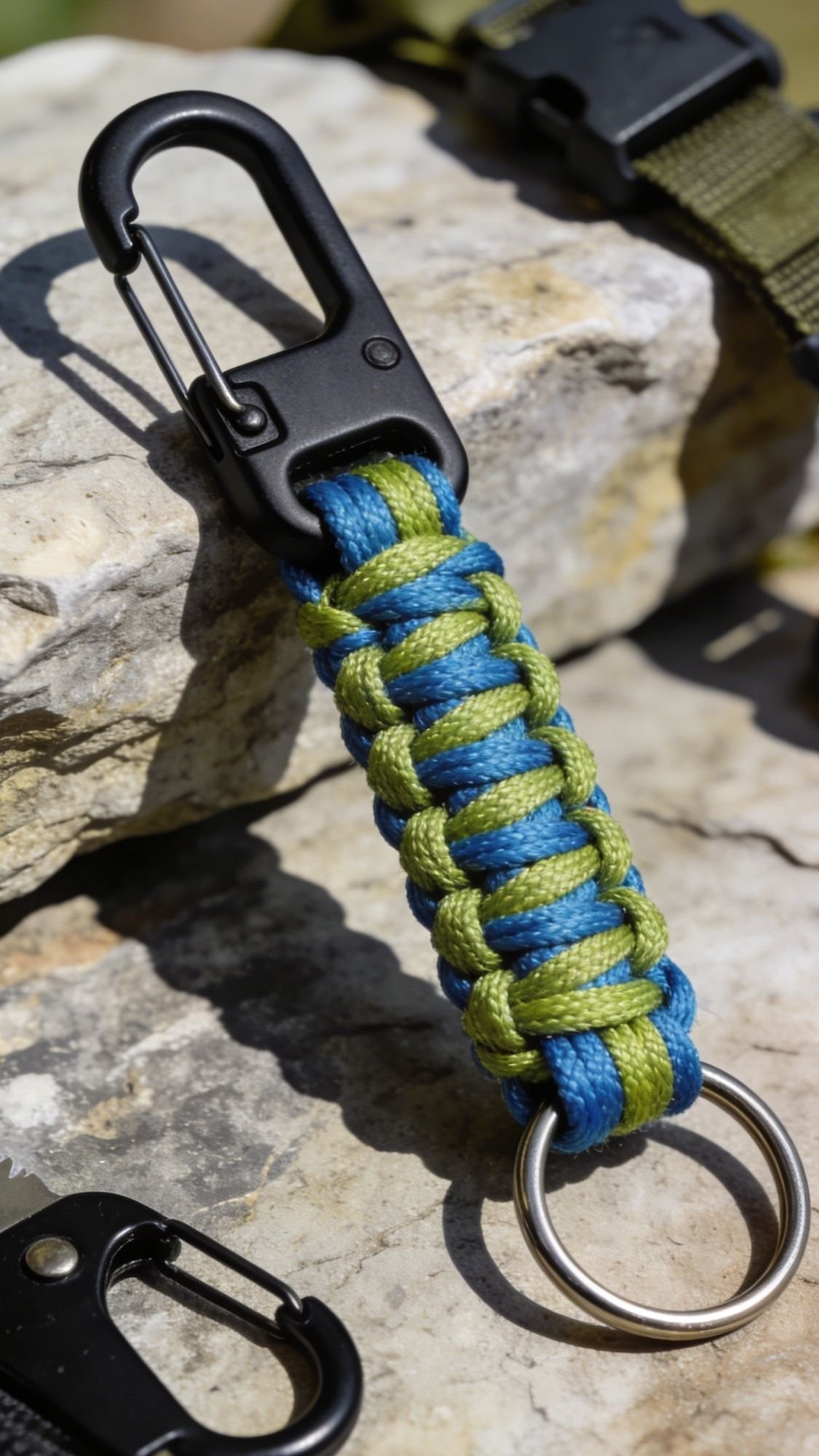
5. Paracord Keychain: Climbercore-Approved, Actually Handy
This gift feels simple, but it hits hard for the right guy. If he’s even slightly outdoorsy, into gym gear, or just likes anything “tactical-but-not-weird,” a paracord keychain gets used constantly. And unlike some DIYs, this one survives being tossed, yanked, and generally disrespected. Love that for you.
Why He’ll Actually Use It
- It makes keys easier to grab fast, especially from a backpack
- It clips onto belt loops, bags, or carabiners
- It feels rugged and purposeful, not decorative
Best Cord + Hardware Choices
- Use 550 paracord for the sweet spot of thickness and strength
- Pick matte black hardware for a modern look
- If you add a carabiner, choose one that feels solid, not flimsy
Supplies
- 550 paracord (two colors if you want a clean pattern)
- Small carabiner or key ring
- Scissors
- Lighter (for melting ends)
- Ruler or measuring tape
Pro Tip
- Cut longer than you think. Most weaves eat up cord fast, and nothing feels worse than realizing you’re 2 inches short at the end.
Step-By-Step (Easy, Clean, No Drama)
- Measure and cut cord. A safe starter length is 4 to 6 feet total depending on the knot style and finished length.
- Attach to hardware. Fold cord through the key ring or carabiner and center it.
- Weave your knot pattern. Cobra weave is the classic. Keep tension consistent so it doesn’t look lumpy.
- Tighten and straighten as you go. Fixing crooked knots at the end feels like trying to fold a fitted sheet, it’s possible but unpleasant.
- Trim ends and melt cleanly. Melt just enough to seal, then press gently with a metal tool for a smooth finish.
Ways To Make It Look Less “Craft” And More “Gear”
- Stick to two colors max
- Choose a palette like Wasabi + Cool Blue or matte black + charcoal
- Add a small metal tag or minimalist bead, but keep it subtle
Common Mistakes (And Fixes)
- Knots look uneven: your tension changed mid-weave. Undo a few knots and re-tighten evenly.
- Ends look bulky: you melted too much. Trim closer next time, melt lightly, press flat.
- It twists: you didn’t center the cords evenly at the start. Re-center before weaving.
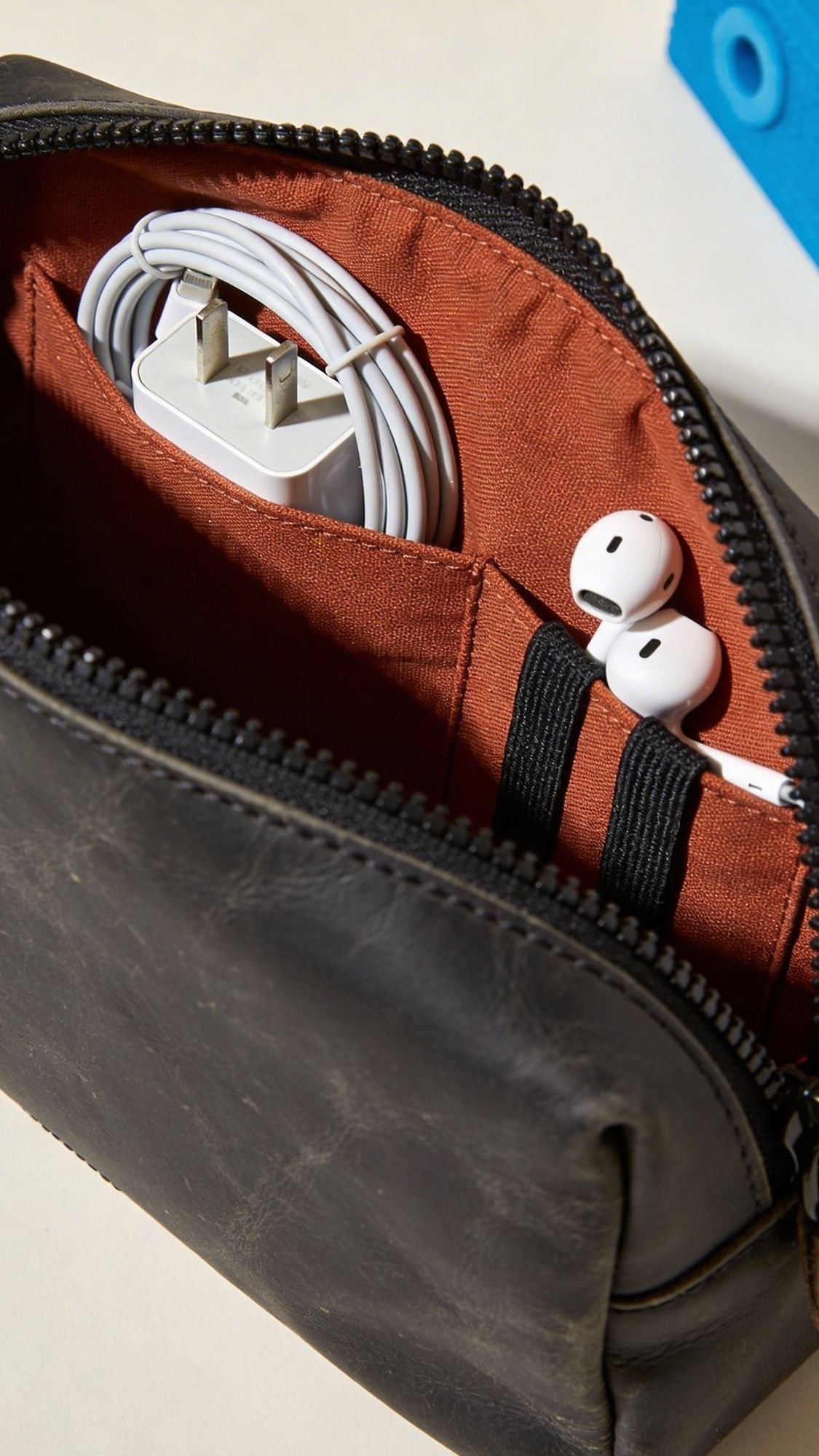
6. Waxed Canvas Tech Pouch: Cables, Chargers, No Tangles
If he has a drawer full of mystery cords or he travels even a little, this gift becomes an instant favorite. A good tech pouch saves time, reduces chaos, and stops chargers from doing that annoying knot thing they do overnight like tiny cable gremlins.
Why He’ll Actually Use It
- It keeps chargers and cords in one spot, so he stops buying duplicates
- It makes travel and work bags feel organized without effort
- It’s durable, and it can take being tossed around
Fabric Choices That Feel Premium
- Waxed canvas for that rugged, “this belongs in a nice bag” vibe
- Heavy cotton duck canvas works too, but waxed canvas feels more elevated and wipes clean
- Add a lining if you want it to look extra finished, but keep it simple
Tools + Supplies
- Waxed canvas (about 1/2 yard)
- Lining fabric (optional)
- Zipper, 7 to 9 inches depending on pouch size
- Sewing machine (or heavy-duty hand stitching if you’re patient)
- Denim needle (or heavy needle)
- Clips (better than pins for waxed canvas)
- Thread, polyester works well
- Elastic (for cord loops inside)
- Interfacing (optional for extra structure)
Pro Tip
- Use clips, not pins. Pins leave holes in waxed canvas that love to stay forever.
Step-By-Step (The Version That Doesn’t Warp Or Pucker)
- Cut your pieces. A solid starter size is around 9×6 inches, adjust for his gear.
- Add elastic loops inside. This is what stops cords from becoming a spaghetti situation.
- Install the zipper slowly. Go slow, keep the fabric feeding evenly, and don’t yank the material through.
- Box the corners. This gives the pouch depth so it sits open and holds more than one charger.
- Topstitch cleanly. Topstitching makes it look professional and reinforces stress points.
- Test fill it before calling it done. A pouch that barely fits the charger becomes useless, so test with the real items.
Make It Look Store-Bought
- Choose a zipper in matte black or antique brass
- Keep thread color either matching or intentionally contrasting
- Add a small woven label or a simple leather pull tab
Common Mistakes (And Fixes)
- Zipper waves: fabric stretched or feed was uneven. Use clips and sew slowly, consider interfacing next time.
- Pouch collapses: canvas is too light. Use heavier waxed canvas or add lining and interfacing.
- Corners look bulky: trim seam allowance and press with a warm iron using a pressing cloth.
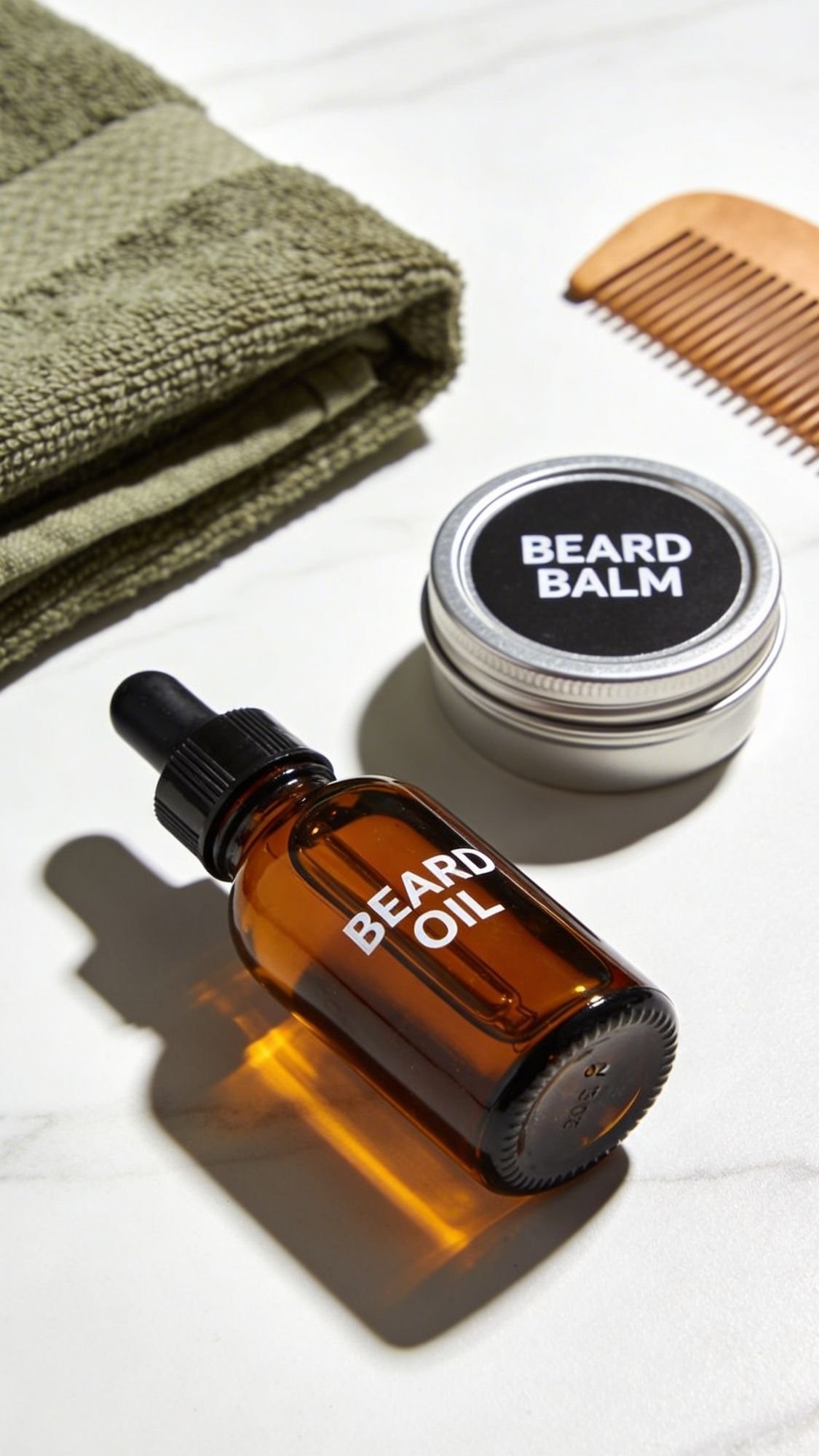
7. Beard Oil + Balm Duo: With Labels That Don’t Peel Off Immediately
This is one of the most-used “handmade” gifts you can make because it turns into part of his routine. Also, it looks ridiculously professional when you package it cleanly. Like, “Did you buy this?” levels of believable.
Why He’ll Actually Use It
- It solves real problems, like itch, dryness, and wild beard hair
- He uses it fast, because it’s small and part of daily grooming
- You can customize the scent without making it overpowering
What To Know Before You Make It
- Keep it skin-friendly, and avoid going heavy on essential oils
- Always suggest a patch test, especially if he has sensitive skin
- Use amber bottles or tins if you can, they help protect oils from light
Supplies
- Amber dropper bottle (1 oz) for beard oil
- Small tin (1 to 2 oz) for balm
- Carrier oils: jojoba, sweet almond, argan, or grapeseed
- Butter and wax for balm: shea butter + beeswax (simple and reliable)
- Essential oil or fragrance oil (skin-safe only)
- Funnel or pipette
- Waterproof labels
- Rubbing alcohol + cotton pad (for label prep)
Pro Tip
- Wipe bottles with rubbing alcohol before labeling. Even clean hands leave oils behind, and that’s why labels peel and slide like they’re trying to escape.
Beard Oil: Simple, Safe, Works
- Add carrier oils to the bottle.
- Add scent lightly. Keep it subtle, he should smell good, not like a candle store aisle.
- Cap and shake gently.
- Label with the scent name and date.
Oil Add-On Tip
- If you want it to feel more premium, include a tiny card that says:
- Use 3 to 6 drops
- Apply to damp beard
- Comb through for even distribution
Beard Balm: For Hold + Softness
- Melt beeswax and shea butter gently.
- Remove from heat, then add oils and scent.
- Pour into tin.
- Let it set with the lid off until fully cooled, this prevents condensation.
Make It Look Store-Bought
- Use clean, minimal labels with straight alignment
- Stick to one accent color like Jade or Cool Blue
- Add a small kraft box or cloth pouch instead of wrapping bottles loose
Common Mistakes (And Fixes)
- Balm turns grainy: you cooled it too slowly or overheated the butter. Re-melt gently and cool faster next time.
- Scent feels too strong: you used too much fragrance. Dilute by making a second batch without scent and blending.
- Labels peel: bottle wasn’t prepped or label wasn’t waterproof. Clean with alcohol and use a better label.
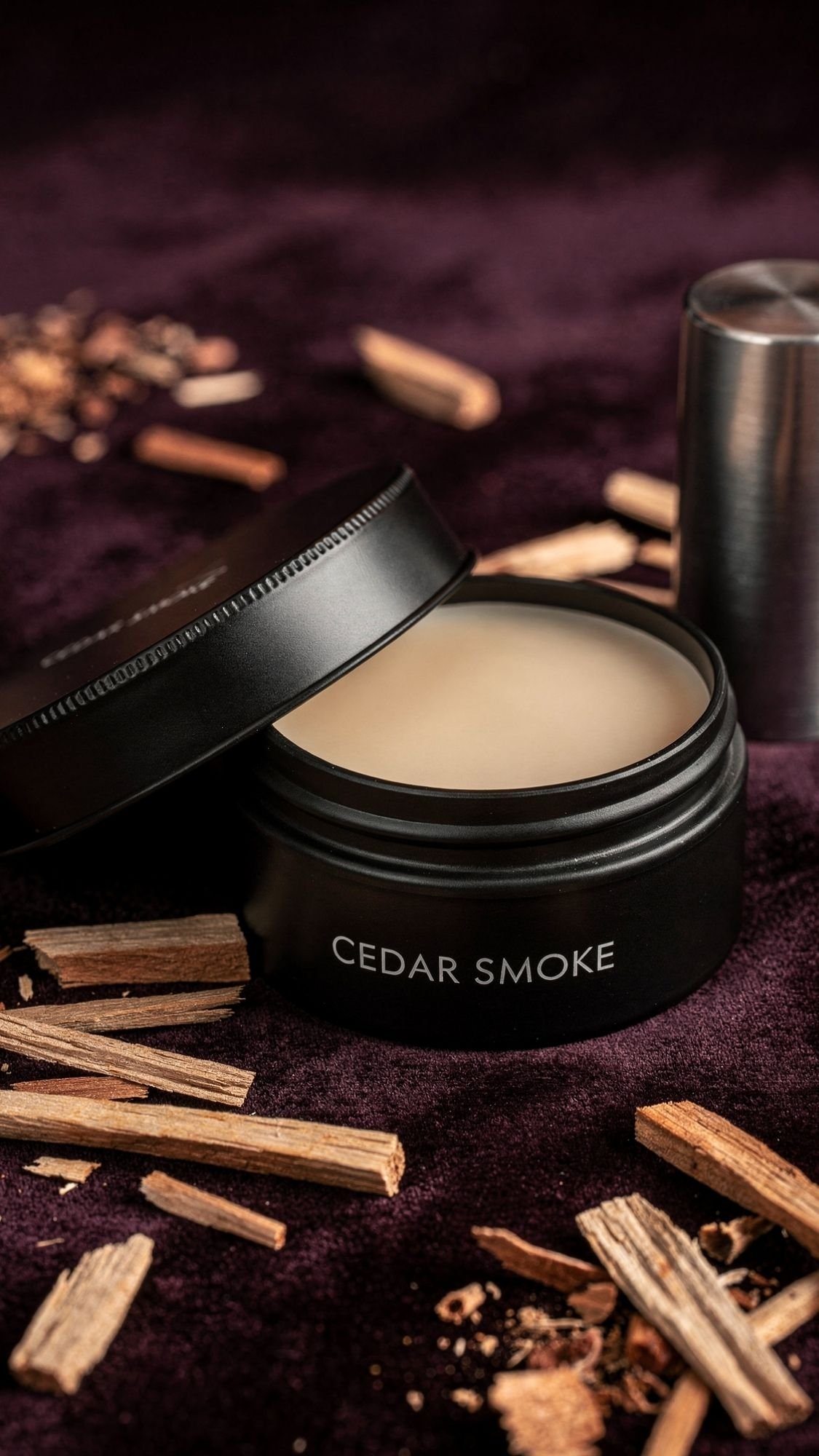
8. Solid Cologne Tin: Pocket-Sized, No Spill Drama
This gift feels fancy, but it’s actually pretty beginner-friendly if you treat heat like a serious thing and not like “eh it’s probably fine.” Solid cologne works because it’s subtle and convenient. He can toss it in a bag, keep it in the car, or stash it in a desk drawer without worrying about leaks.
Why He’ll Actually Use It
- It’s portable and mess-free, so it fits real life
- It’s a quick refresh without being overpowering
- It feels like a high-end grooming product when you package it cleanly
Supplies
- Small metal tins (1 oz works great)
- Beeswax pellets
- Carrier oil: jojoba or fractionated coconut oil
- Optional butter: shea or cocoa butter for a smoother feel
- Skin-safe fragrance or essential oil
- Double boiler setup (or a heat-safe bowl over a pot)
- Pipette or dropper
- Labels
Pro Tip
- Add fragrance off the heat. Heat can mess with the scent, and it can make the final smell weaker or weird.
Step-By-Step
- Melt beeswax + butter gently. Low and slow, no boiling. You want melted, not sizzling.
- Stir in carrier oil. This controls how firm the final balm feels.
- Remove from heat, then add fragrance. Stir thoroughly so it doesn’t separate.
- Pour into tins. Pour steady, avoid splashing the sides.
- Cool with lids off. Lids trap moisture and can cause condensation spots.
- Label after fully cooled. Warm tins make labels slip and peel later.
How To Nail The Texture
- Too hard? Add a tiny bit more oil next batch.
- Too soft? Add more beeswax next batch.
- Want it silky? Add a small amount of cocoa butter.
Make It Look Store-Bought
- Use matte black tins or clean silver tins
- Label with one bold word, like “CEDAR” or “SMOKE”
- Pair with a minimal cloth bag or small box
Common Mistakes (And Fixes)
- Surface looks bumpy or pitted: you poured too hot or cooled too fast. Re-melt and pour gently.
- Feels greasy: too much oil. Increase beeswax slightly.
- Scent fades fast: you overheated fragrance or used too little. Add fragrance off heat and measure consistently.
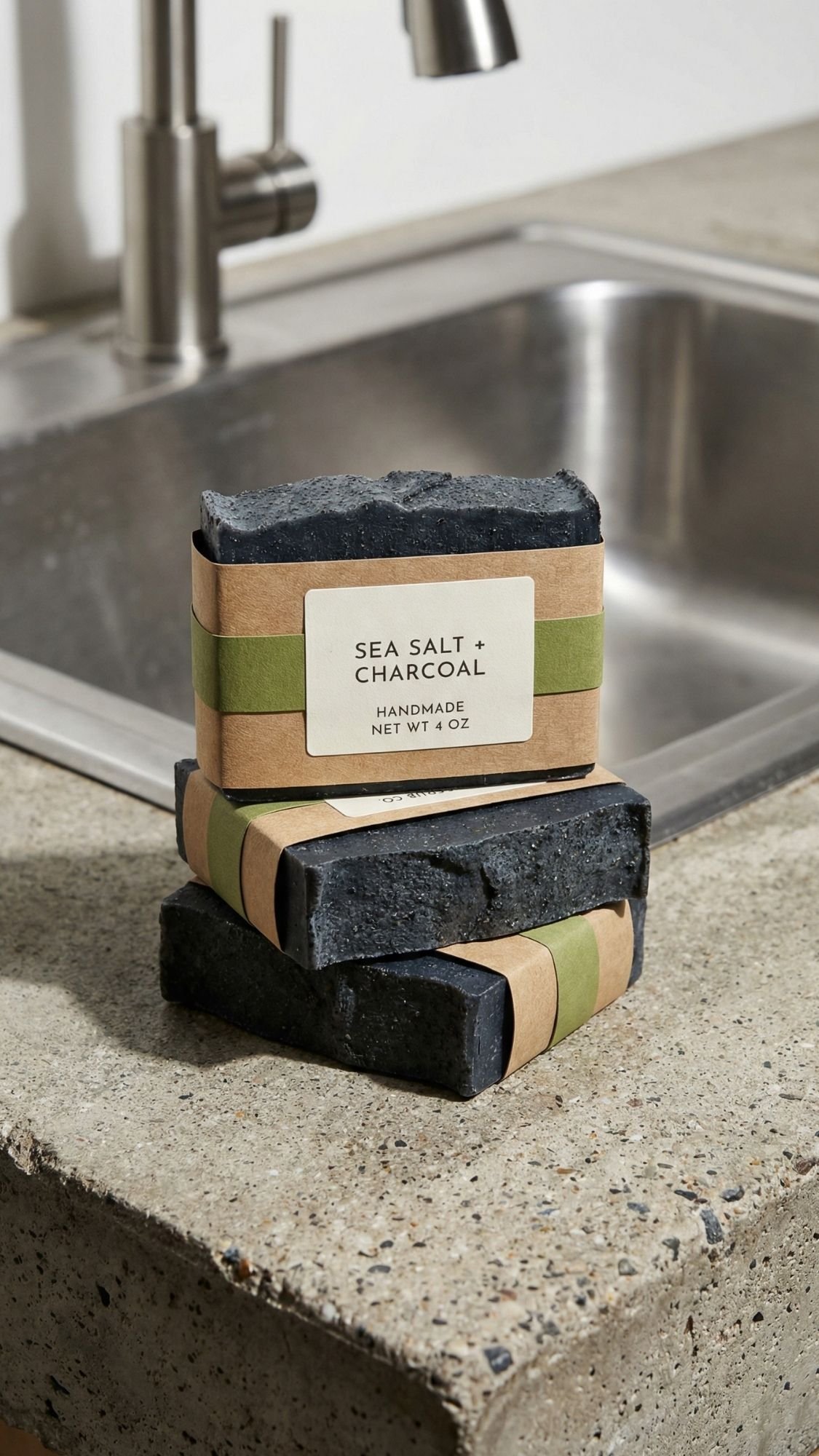
9. Mechanic’s Scrub Soap Bars: For The “I Can’t Get This Grease Off” Problem
If he works with his hands at all, cars, tools, yard stuff, even just “I changed my own oil once and now I’m basically a mechanic,” this gift gets used fast. Regular soap quits too early. Scrub soap actually finishes the job.
Why He’ll Actually Use It
- It removes grease and grime without him scrubbing for five full minutes
- It’s useful in the garage, kitchen, or by the utility sink
- It feels practical, not precious
What Makes Scrub Soap Work
You need two things:
- A strong cleansing base
- A scrubby exfoliant, like pumice, fine sand, or coffee grounds
The trick is choosing the grit that feels effective but not like sandpaper. Nobody wants hands that feel punished.
Supplies
- Melt-and-pour soap base or cold-process soap supplies (choose your comfort level)
- Exfoliant: fine pumice, coffee grounds, or oatmeal
- Optional: activated charcoal for odor control
- Soap mold
- Rubbing alcohol in a spray bottle (helps bubbles)
- Labels or bands for wrapping
Pro Tip
- Use fine grit, not chunky grit. Chunky exfoliants can feel sharp and uncomfortable. Fine pumice gives that “clean hands” result without the pain.
Step-By-Step (Melt-And-Pour Version, Easy Win)
- Cut the soap base into chunks.
- Melt gently in short bursts and stir.
- Add exfoliant slowly and mix well. If you dump it all at once, it clumps and sinks.
- Add optional charcoal if you want extra odor-fighting power.
- Pour into mold and spritz the top with rubbing alcohol to reduce bubbles.
- Let it fully set, then unmold and wrap.
Packaging That Looks Clean And Giftable
- Wrap bars in kraft paper with one accent band color like Wasabi
- Add a tiny label that says:
- “SCRUB SOAP”
- “Garage Hands Approved”
- Date made
Keep the label minimal, it reads more premium that way.
Common Mistakes (And Fixes)
- Exfoliant sinks to the bottom: base was too hot or you used heavy grit. Let it cool slightly before mixing, stir longer, use finer grit.
- Soap feels too harsh: grit is too rough. Reduce exfoliant or switch to coffee grounds or oatmeal.
- Bubbles on top: you didn’t spritz with alcohol. Spritz immediately after pouring.
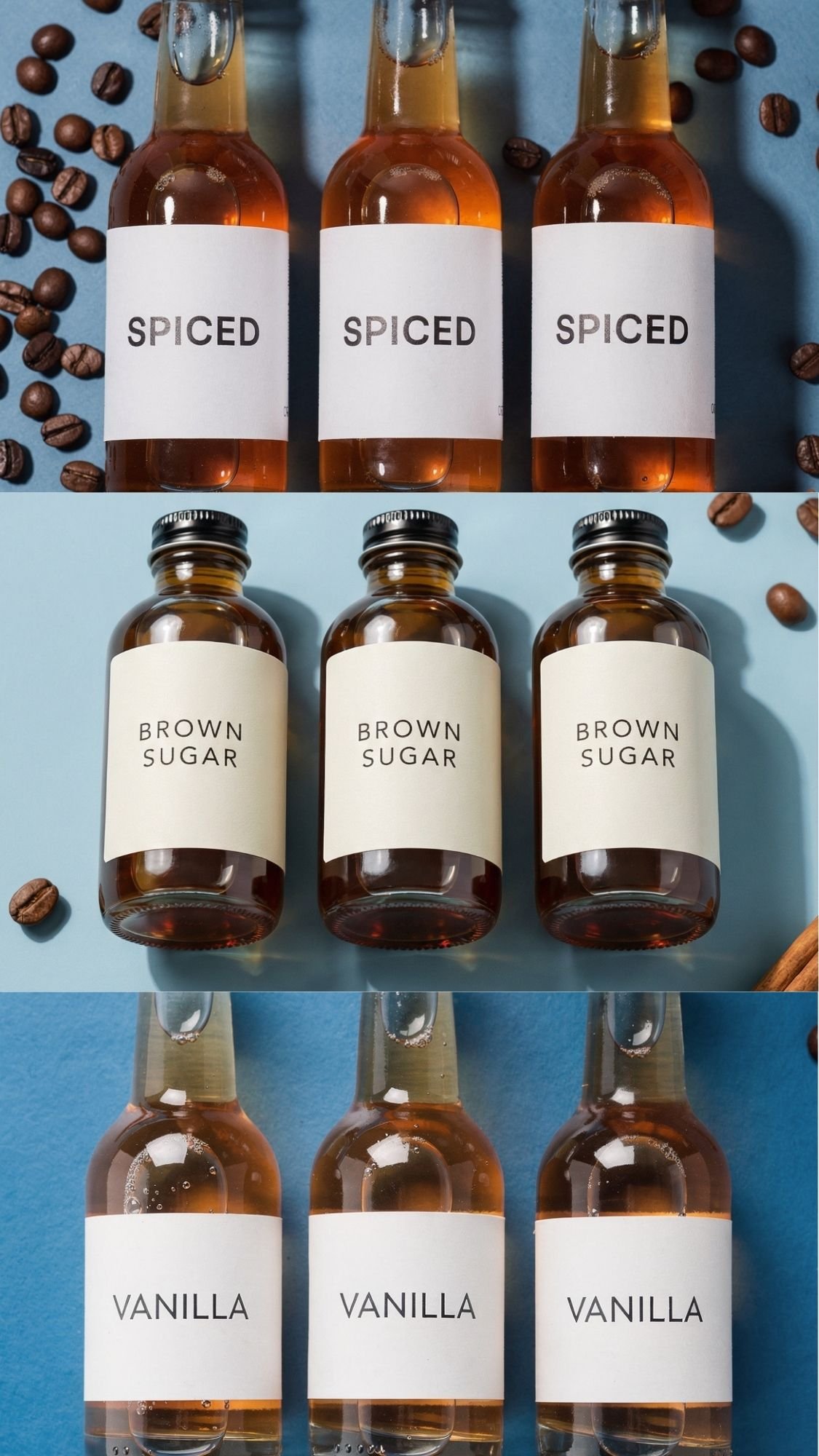
10. Coffee Syrup Trio: Vanilla, Brown Sugar, Spiced
This gift hits because it becomes part of his morning. He pours it into coffee, lattes, iced drinks, maybe even oatmeal, and suddenly your “small” DIY feels like a daily upgrade. Also, it’s easy to make a trio that feels fancy without making it complicated. Who doesn’t love a gift that gets used before the week ends?
Why He’ll Actually Use It
- It saves money on coffee shop add-ons
- It makes plain coffee taste intentional
- It stores easily, and it’s grab-and-pour simple
Smart Flavor Trio (So It Feels Curated)
Pick three that cover different moods:
- Classic Vanilla (always safe)
- Brown Sugar Cinnamon (cozy, works hot or iced)
- Spiced Maple or Cardamom Spice (the “wow” bottle)
Supplies
- Sugar (white or brown, depending on recipe)
- Water
- Vanilla extract or vanilla bean
- Spices: cinnamon sticks, cardamom pods, cloves (go light)
- Small glass bottles with tight caps
- Funnel
- Labels
- Optional: tiny chalkboard tags or waterproof labels
Pro Tip
- Label the date and storage instructions. Homemade syrups last longer when you store them correctly, and nobody wants to guess if it’s still good.
Basic Method (Works For Most Flavors)
- Heat sugar + water in a small saucepan and stir until the sugar dissolves. Keep it at a gentle simmer, don’t crank it.
- Add flavoring and simmer briefly. Short simmer keeps flavors clean, longer simmer can pull bitterness from spices.
- Cool fully before bottling. Hot syrup creates condensation, and condensation shortens shelf life.
- Bottle with a funnel and cap tightly. Wipe rims clean so the seal stays solid.
- Label clearly with flavor and date.
Storage and Shelf Life (Real Talk)
- Syrup lasts the longest when you refrigerate it and use clean tools each time.
- Shelf life depends on sugar concentration and how sterile your bottles are.
- If it smells off, looks cloudy, or starts growing anything funky, toss it and don’t argue with it.
Ways To Make It Look Store-Bought
- Use matching bottles and aligned labels
- Keep label text simple, one word or two words max
- Tie a thin cord around the neck, and call it done
Common Mistakes (And Fixes)
- Crystals form in the bottle: you didn’t dissolve sugar fully. Reheat gently and stir until smooth.
- Syrup tastes bitter: you simmered spices too long. Steep spices off heat next time, then strain.
- Cloudy syrup: you bottled before it cooled, or you introduced water/condensation. Cool fully and use dry bottles next time.
- Labels peel: you labeled a damp bottle. Dry it completely, then apply waterproof labels.
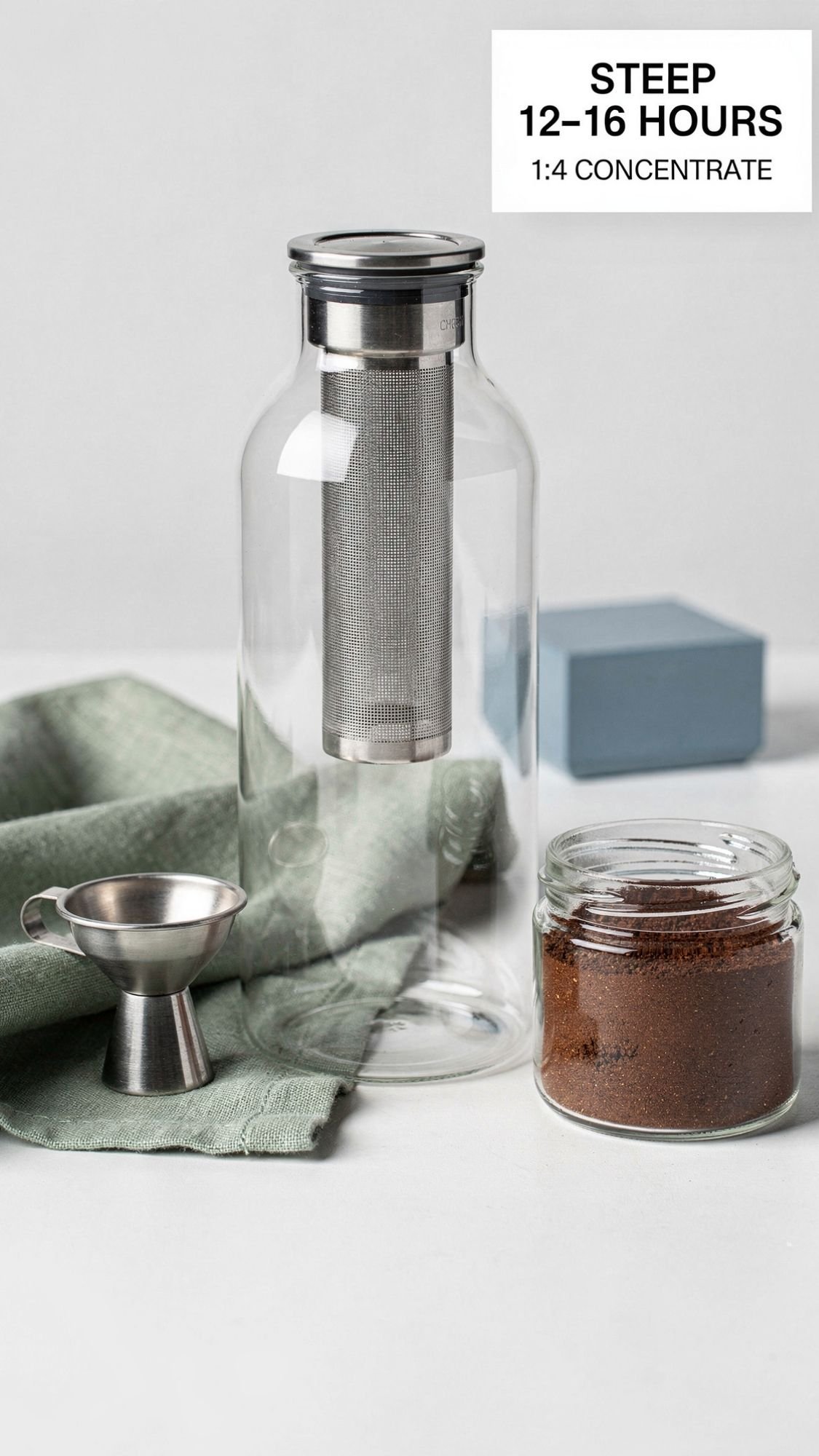
11. Cold Brew Starter Kit: Bottle + Filter + “Do This, Not That” Card
This gift feels wildly thoughtful because it upgrades his mornings without adding work. He dumps grounds in, adds water, sticks it in the fridge, and suddenly he “makes cold brew at home” like a person with hobbies and discipline. Does he drink iced coffee year-round like it’s a personality trait? Perfect.
Why He’ll Actually Use It
- It saves money fast, cold brew adds up
- It tastes smoother than rushed iced coffee
- It feels grab-and-go, especially if you build it like a system
What You’ll Include In The Kit
- A cold brew bottle or mason jar (32 oz works great)
- A fine mesh filter or reusable cold brew insert
- A small funnel (optional, but it makes it cleaner)
- A simple ratio card, so he never guesses
Supplies
- Bottle or jar with lid (leak-proof)
- Mesh filter insert, or cheesecloth plus a strainer
- Whole bean coffee or coarse-ground coffee
- Small label or tag for the bottle
- Cardstock for the “cheat sheet”
- Optional add-ons: mini cinnamon sticks, vanilla syrup sample, or a small bag of beans
Pro Tip
- Use coarse grind. Fine grind turns cold brew muddy, bitter, and gritty. Coarse grind keeps it smooth and easy to strain.
Step-By-Step Cheat Sheet (Write This On The Card)
Option A: Concentrate (strong, dilutes later)
- Add 1 cup coarse grounds to 4 cups cold water (1:4).
- Steep in the fridge 12 to 16 hours.
- Strain through mesh filter, then strain again if needed.
- Serve with water or milk, start with 1:1 dilution and adjust.
Option B: Ready-To-Drink (less math, more sipping)
- Add 1 cup coarse grounds to 8 cups cold water (1:8).
- Steep in the fridge 12 to 16 hours.
- Strain and pour over ice.
Make It Taste Better With One Small Upgrade
- Use filtered water. Tap water can make coffee taste flat or weird, and nobody wants “mystery fridge coffee.”
- Store finished cold brew in a clean bottle with a tight lid, it keeps the flavor fresher.
Packaging That Looks Clean And Giftable
- Tie the cheat sheet to the neck of the bottle with cord
- Add a small label on the bottle that says:
- “COLD BREW”
- “STEEP 12–16 HOURS”
- Date line: “Made: ____”
Common Mistakes (And Fixes)
- It tastes bitter: he steeped too long or used fine grind. Shorten steep time, switch to coarse grind.
- It tastes weak: he used too much water. Use concentrate ratio or steep a little longer.
- It looks cloudy: he shook it too hard or used fine grounds. Strain again through a coffee filter.
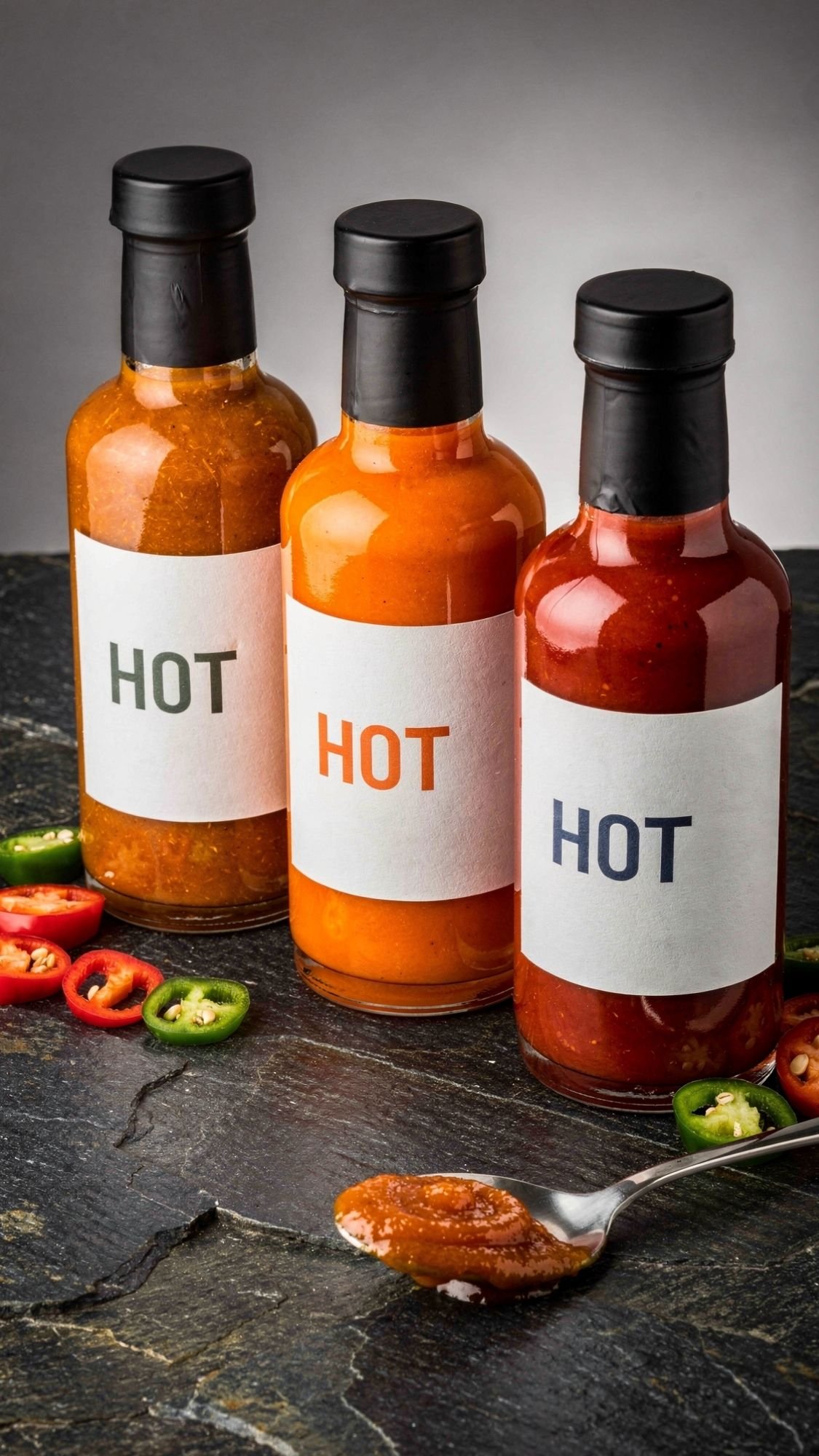
12. Homemade Hot Sauce: Dialed To His Heat Level
This gift works because it’s edible, personal, and actually gets finished. Plus, you can make three heat levels so he doesn’t suffer through a bottle that’s too spicy or too bland. Have you ever watched someone pretend they love a “one-size-fits-all” hot sauce? Painful.
Why He’ll Actually Use It
- He can put it on eggs, tacos, burgers, literally anything
- It makes meals feel upgraded without extra effort
- It’s a repeatable gift, and he’ll ask for more
Pick A “Heat Trio” That Makes Sense
- Mild: flavor-forward, minimal burn
- Medium: everyday level
- Hot: the “I’m serious” bottle
You can keep the base flavor the same and just adjust the pepper mix, which makes it feel like a cohesive set.
Supplies
- Peppers (mix of mild and hot)
- Garlic, onion (optional)
- Vinegar (white or apple cider)
- Salt
- Small glass bottles with tight caps
- Funnel
- Gloves (please, unless you enjoy spicy hands for hours)
- Labels
- Fine mesh strainer (optional)
Pro Tip
- Wear gloves and don’t touch your face. This sounds obvious, and yet… people learn the hard way. Don’t be the people.
Basic Method (Quick + Reliable)
- Prep peppers and aromatics. Remove some seeds for less heat, keep more for more heat.
- Simmer peppers with vinegar, salt, and a bit of water. Simmer until soft so it blends smooth.
- Blend until silky. Blend longer than you think, it improves texture.
- Strain if you want it smoother. Straining gives it that bottled-sauce look.
- Cool fully, then bottle. Hot bottling causes condensation, and that shortens shelf life.
- Label clearly with heat level and date.
How To Control Heat Without Ruining Flavor
- Keep a base of flavorful peppers like jalapeño or poblano
- Add small amounts of hotter peppers like habanero to scale heat
- Taste, then adjust. Small changes hit hard in hot sauce.
Make It Look Store-Bought
- Use matching bottles, aligned labels
- Label the set as a trio: Mild, Med, Hot
- Add a simple neck tag that says:
- “Shake before use”
- “Keep refrigerated”
- Date line
Common Mistakes (And Fixes)
- Sauce separates: you didn’t blend long enough. Blend again, or add a tiny bit of xanthan gum if you’re comfortable using it.
- Too spicy: dilute with more vinegar base, or make a second mild batch and blend together.
- Too thin: simmer longer to reduce, or add a bit more pepper flesh.
- Labels peel: bottle was damp or oily. Dry completely, wipe with alcohol, use waterproof labels.
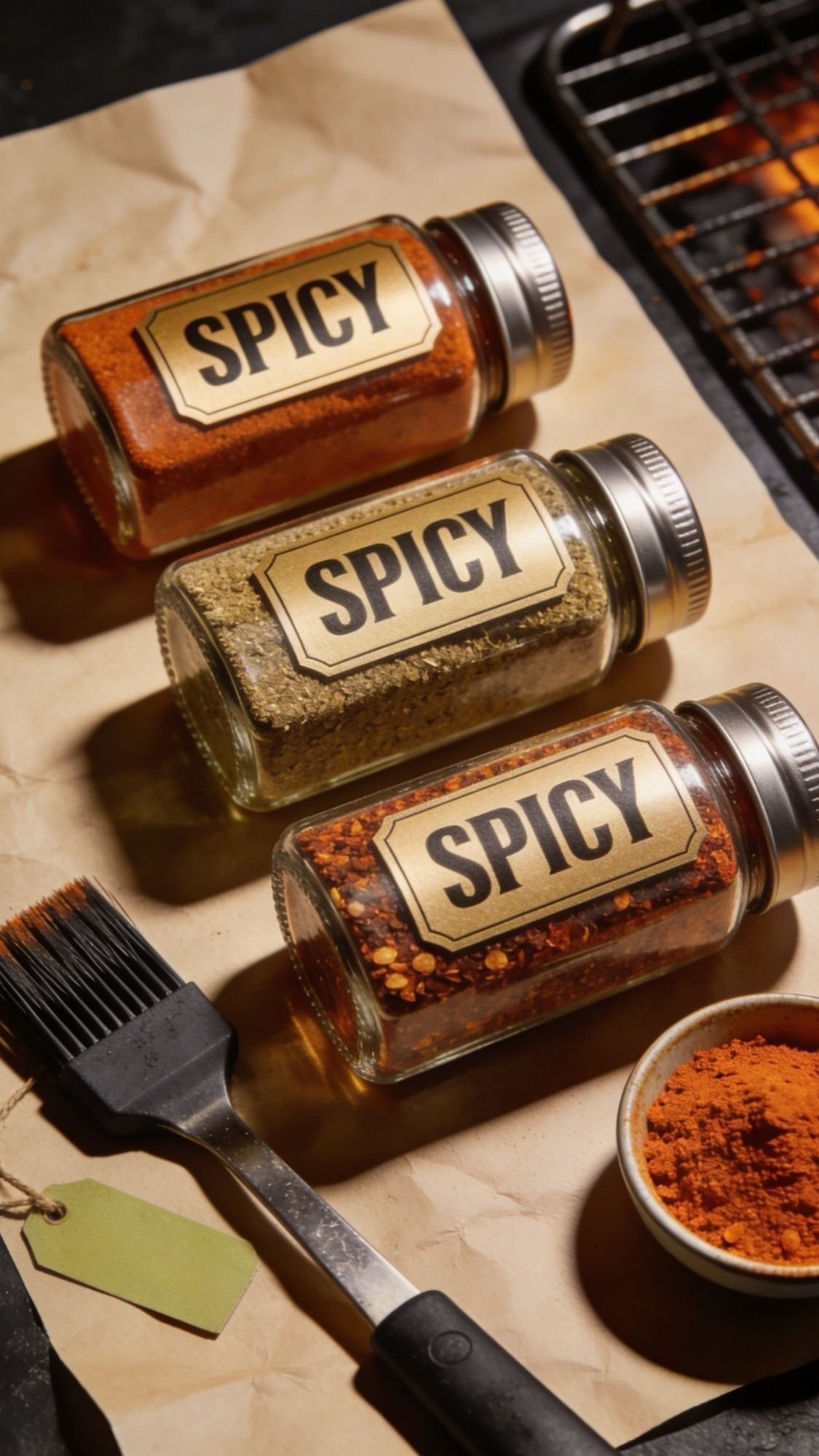
13. BBQ Spice Rub Set: The “I’ll Use This Tonight” Gift
This one wins because it’s instant gratification. He can literally use it the same day, and it makes basic chicken or burgers taste like he knows what he’s doing. Also, a spice set looks way fancier than the effort it takes. Love a high payoff project.
Why He’ll Actually Use It
- It upgrades regular meals with zero extra work
- He can choose a rub based on mood, sweet, smoky, spicy
- It stores easily and gets used up fast
Build A Trio That Feels Intentional
- Sweet: great for chicken, pork, sweet heat vibe
- Smoky: ribs, steak, grilled veggies
- Spicy: tacos, wings, anything that needs a kick
Supplies
- Small spice jars or shakers with tight lids
- Funnel or folded paper funnel
- Labels or sticker labels
- Measuring spoons
- Optional: food-safe desiccant packets to prevent clumping
- Basic spices: brown sugar, paprika, smoked paprika, garlic powder, onion powder, cumin, chili powder, salt, pepper, cayenne
Pro Tip
- Use shaker tops if you can. If he has to fight a wide-mouth jar to season meat, he’ll use it less. Convenience matters.
Simple Rub Formulas (Easy To Scale)
Sweet Rub
- Brown sugar
- Paprika
- Garlic powder
- Salt + pepper
- A pinch of cayenne
Smoky Rub
- Smoked paprika
- Cumin
- Garlic powder
- Black pepper
- Salt
- Optional: a tiny bit of coffee grounds for depth
Spicy Rub
- Chili powder
- Paprika
- Cayenne
- Garlic powder
- Salt
- Optional: crushed red pepper for texture
Keep the exact ratios flexible, since spice strength varies by brand. Taste and adjust before you jar it.
Make It Look Store-Bought
- Match jars, align labels perfectly
- Keep labels clean: one word plus a tiny subtitle
- “SWEET”, “SMOKY”, “SPICY”
- Add a small tag with a quick note:
- “Rub, rest 20 min, cook”
Common Mistakes (And Fixes)
- Rub clumps: moisture got in. Add a desiccant packet, store in a cool dry spot.
- Too salty: you went heavy on salt. Mix a second batch without salt and blend.
- Flavor feels flat: add a little more paprika or garlic, salt alone won’t save it.
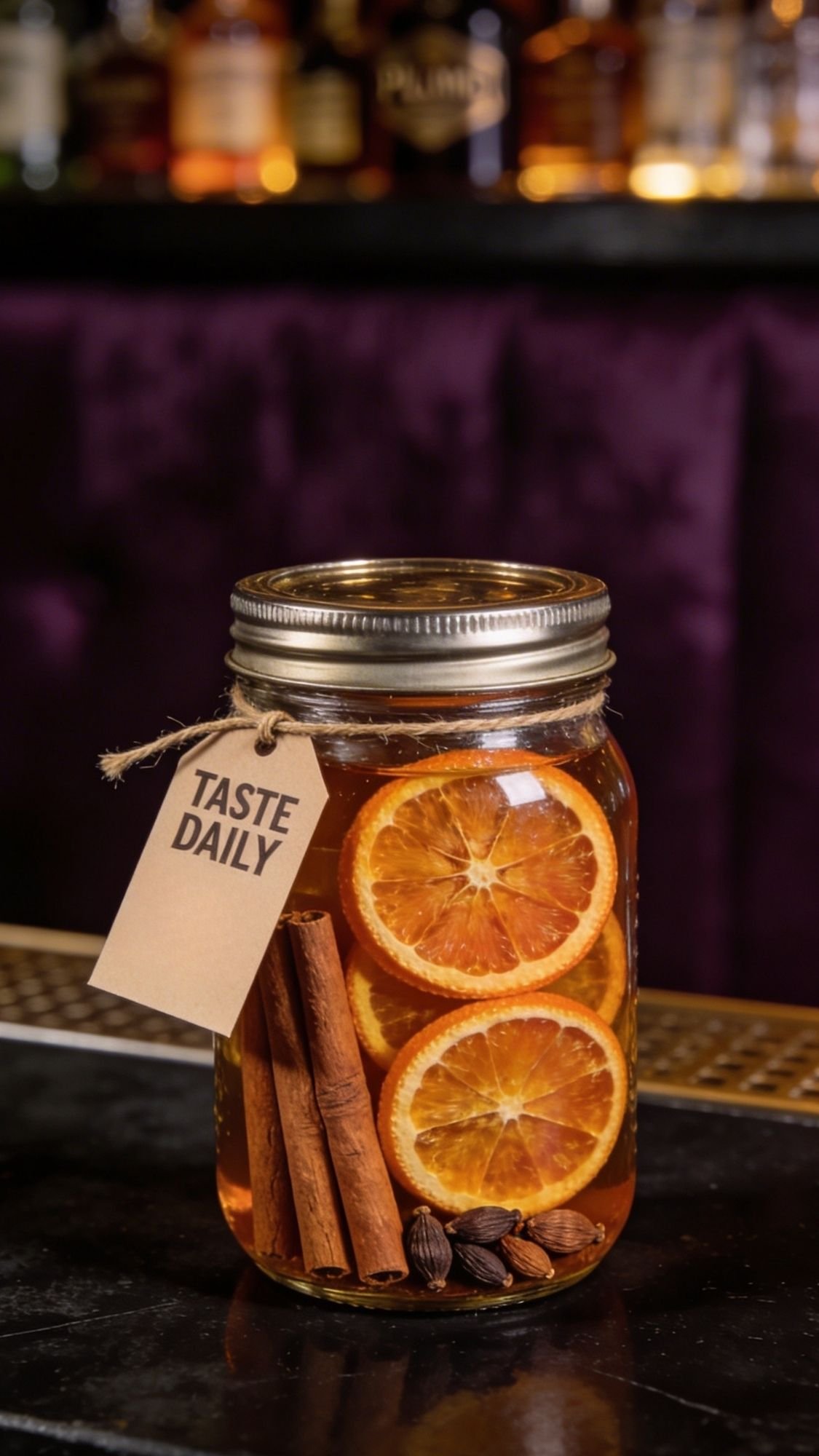
14. Whiskey Infusion Jar Kit: Old Fashioned Energy, Minimal Effort
This gift feels expensive and thoughtful without you building something complicated. It’s basically “make your own flavored whiskey” in a way that looks classy, not chaotic. If he likes cocktails, bourbon, or the vibe of a nice home bar, this one lands.
Why He’ll Actually Use It
- It turns into a weekend project he can show off
- The result feels special without being fussy
- You can customize flavors to what he actually likes
Flavor Combos That Don’t Taste Like Potpourri
Keep it simple. Too many ingredients makes it weird fast.
- Classic Old Fashioned: dried orange + cinnamon + a few cloves
- Smoky: charred oak chips + dried orange
- Spiced Vanilla: vanilla bean + cinnamon
- Maple Kick: dried orange + a tiny bit of chili + cinnamon
Supplies
- Mason jar with tight lid, 16 to 32 oz
- Dried orange slices (or dehydrated citrus)
- Cinnamon sticks
- Optional: cloves, star anise, vanilla bean, oak chips
- Small muslin bag or tea infuser (optional but neat)
- Gift tag or instruction card
- Label for jar
Pro Tip
- Go light on cloves and star anise. They’re powerful, and they can take over the entire jar like they pay rent.
How To Assemble The Kit
- Add the infusion ingredients to the jar. Keep it visually pretty, it’s part of the gift.
- Include a simple instruction card tied to the jar:
- Add whiskey or bourbon
- Infuse 24 to 72 hours
- Taste daily
- Strain when it tastes right
- Add a “serving suggestion”
- “Try with ice, a splash of bitters, and an orange peel”
Make It Look Store-Bought
- Use a minimalist label, one clean word like:
- “INFUSE”
- Add a small tag with bold instructions:
- “TASTE DAILY”
- Keep ingredients in a tidy layout inside the jar, not dumped in.
Common Mistakes (And Fixes)
- Flavor is too strong: you infused too long or used too much spice. Dilute with more whiskey, or strain sooner next time.
- Tastes bitter: too much citrus pith or long steeping. Use dried citrus slices and shorten infusion.
- Looks cloudy: tiny particles got loose. Strain through a coffee filter for a cleaner finish.
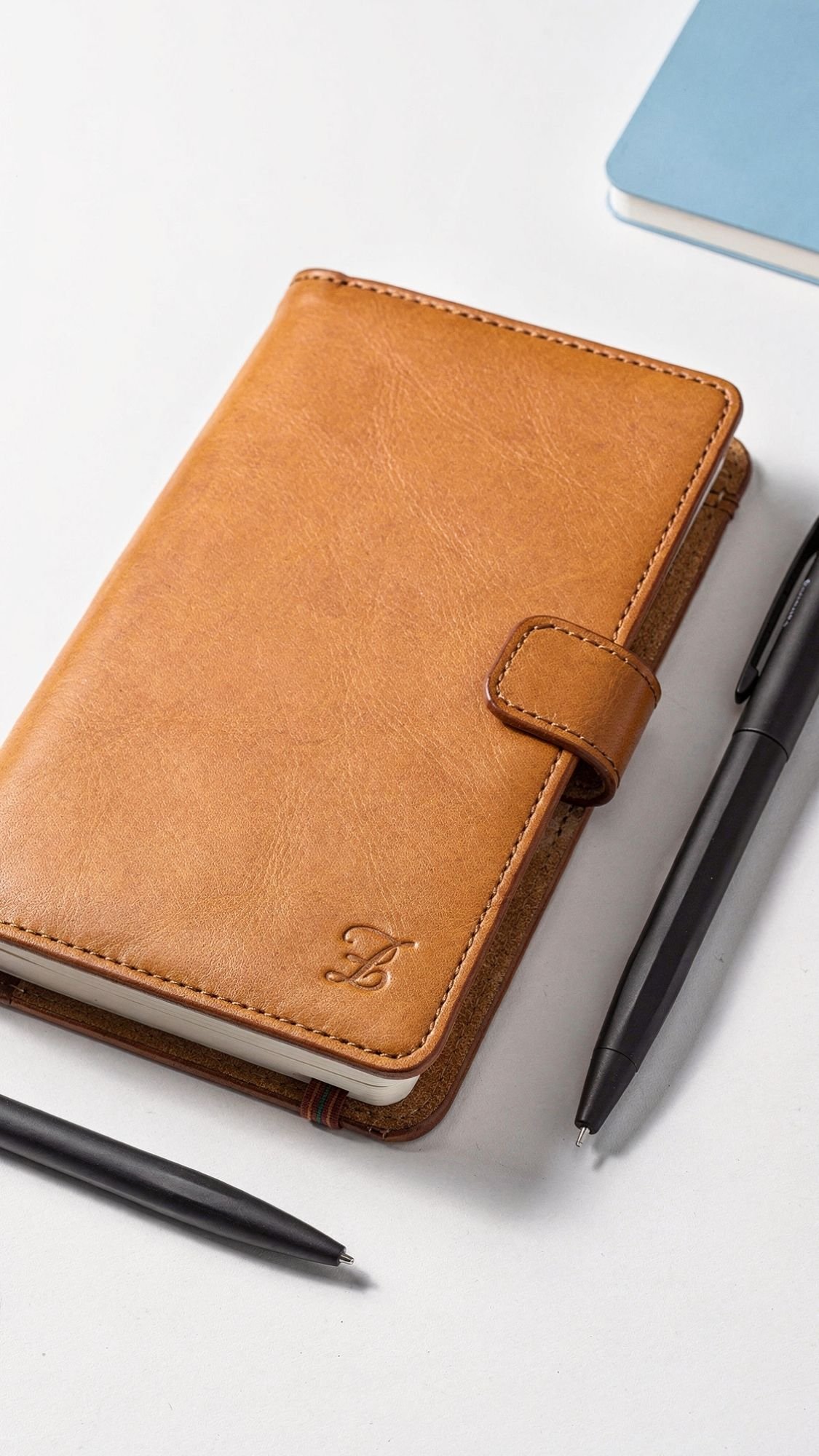
15. Leather Notebook Cover: Work Bag Staple, Looks Expensive
This gift feels grown-up in the best way. A leather notebook cover turns an ordinary notebook into something he actually wants to carry. It also holds up like a champ if you pick the right leather weight and you finish the edges cleanly.
Why He’ll Actually Use It
- It upgrades his daily notes, work meetings, gym tracking, or journaling
- It protects pages from getting wrecked in a bag
- It looks polished without trying too hard
Leather And Notebook Tips (So It Fits Right)
- Pick the notebook size first, then build around it. A5 and Field Notes size are the easiest.
- Use 4 to 6 oz leather for structure without feeling stiff.
- Add a pen loop, because he will 100 percent lose the pen otherwise.
Tools + Supplies
- Leather piece (size depends on notebook, add extra for wrap and pockets)
- Notebook (A5 or similar)
- Ruler + marking pencil
- Craft knife or rotary cutter
- Contact cement (for pockets and pen loop)
- Stitching chisels + needles + waxed thread (if you stitch it)
- Edge beveler (optional, but it helps)
- Burnishing gum or water + slicker tool or cloth
- Leather conditioner
- Optional: stamp set for initials
Pro Tip
- Dry-fit everything before you glue. Leather grabs fast once it’s bonded, and “I’ll just adjust it” turns into “why is it crooked forever.”
Step-By-Step (Clean, Practical Build)
- Measure the notebook closed. Measure height, width, and spine thickness, then add a little extra for ease.
- Cut the main wrap piece. Keep cuts slow and straight, clean edges matter a lot on leather.
- Cut two pocket pieces for the inside covers. These pockets hold the notebook covers in place.
- Build a pen loop. Cut a small strip, test it with his pen, then glue or stitch it to the inside.
- Glue pockets in place. Apply contact cement thinly, let it tack up, then press firmly.
- Stitch if you want the premium finish. Stitching adds durability and makes it look more “designer.”
- Bevel and burnish edges. This step makes the cover look store-bought.
- Condition lightly. You want a soft feel, not an oily surface.
Make It Look Store-Bought
- Use matte black or brass hardware only if needed, otherwise keep it hardware-free
- Add initials on the inside corner, small and subtle
- Match thread to leather for a clean minimal look, or contrast on purpose
Common Mistakes (And Fixes)
- Cover fits too tight: you forgot spine thickness. Re-cut with more width, or choose a thinner notebook.
- Pockets peel up: you used weak glue or rushed bonding time. Use contact cement, press firmly, let it set.
- Edges stay fuzzy: you skipped beveling or you rushed burnishing. Bevel first, then burnish longer with steady pressure.
- Pen loop feels floppy: leather strip is too thin. Use thicker leather or double the strip.
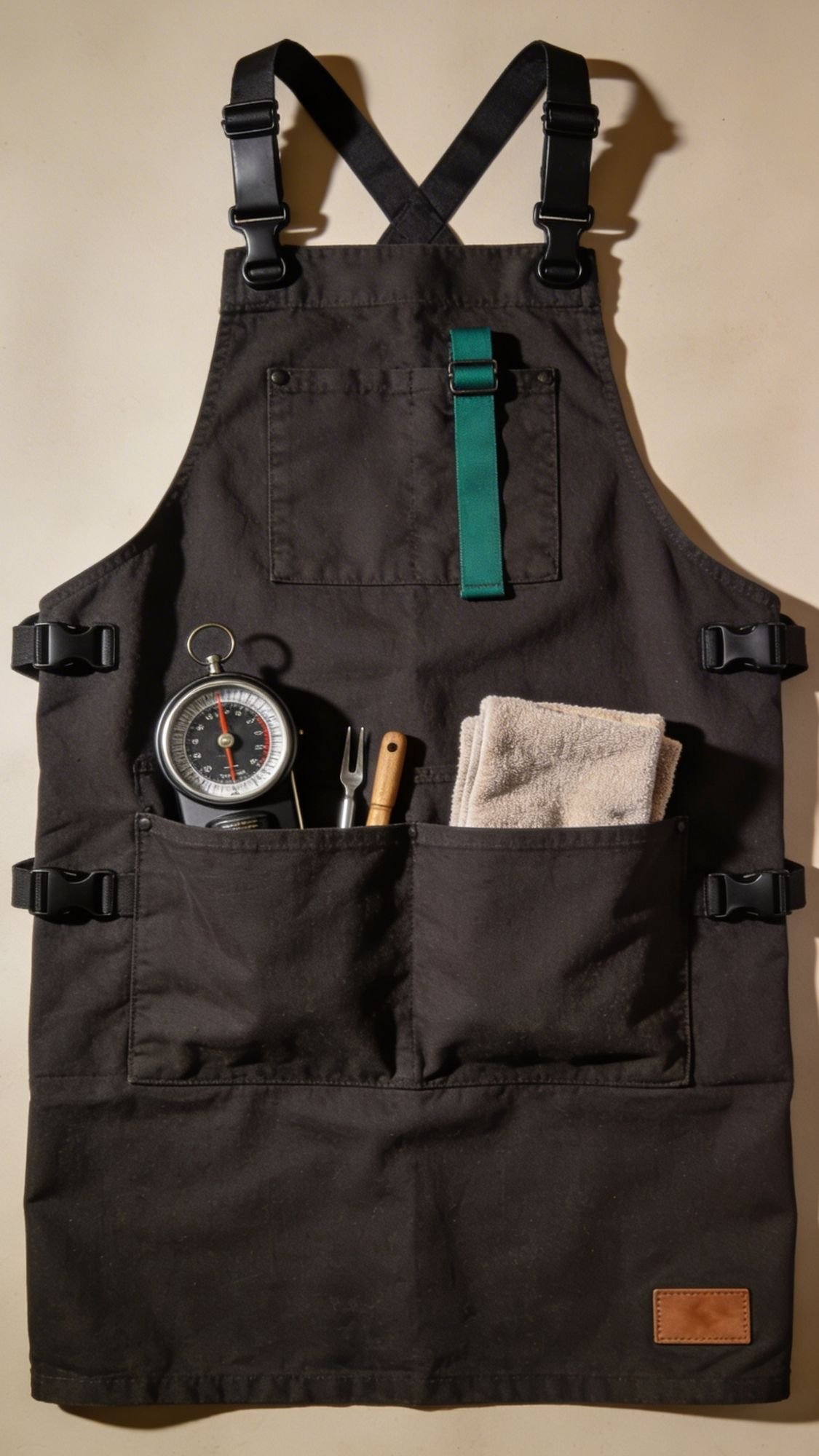
16. Work Apron With Real Pockets: Kitchen, Grill, Garage
This is the gift for the guy who’s always doing something. Cooking, grilling, woodworking, car stuff, fixing random things that “only take five minutes” (sure). A good apron feels useful because it protects his clothes and keeps tools right there, and it looks genuinely cool when you make it in sturdy fabric with solid hardware.
Why He’ll Actually Use It
- It keeps him from wrecking shirts with grease, sawdust, or sauce splatter
- The pockets make it functional, not decorative
- It lasts forever when you reinforce stress points
Fabric Choices That Hold Up
- Waxed canvas: wipes clean, rugged, premium look
- Heavy cotton duck canvas: strong and easy to sew
- Denim can work, but it can feel stiff and heavy if it’s too thick
Tools + Supplies
- 1 to 1.5 yards heavy canvas
- Webbing or leather straps
- D-rings or slider buckles (matte black or brass look best)
- Heavy-duty thread
- Sewing machine with denim needle
- Fabric clips
- Scissors or rotary cutter
- Optional: rivets for pocket corners, grommets for strap points
Pro Tip
- Reinforce pocket corners. That’s where everything tears first. You can bar tack, double stitch, or add rivets. Pick one and commit.
Step-By-Step (Simple Pattern, Strong Build)
- Cut the apron body. Go for a slightly wider shape than you think, narrow aprons feel annoying.
- Hem the edges. A clean hem stops fraying and makes it look finished.
- Build pockets. Add one big pocket plus a smaller sectioned pocket for tools, thermometer, or phone.
- Stitch pockets down with reinforcement. Double stitch the top edge and corners.
- Attach straps. Cross-back straps feel comfortable and don’t dig into the neck.
- Add hardware for adjustability. This is what makes it feel store-bought and fits him properly.
- Final topstitch pass. Topstitching adds durability and gives it a clean, professional look.
Make It Look Store-Bought
- Use matte black or brass hardware
- Add a small leather patch label, minimalist and centered
- Keep thread color matching for a clean modern look, or contrast it on purpose
Common Mistakes (And Fixes)
- Straps feel awkward: you placed them too close together. Move attachment points wider or use cross-back.
- Pockets sag: fabric is too light or stitching is weak. Use heavier canvas and reinforce corners.
- Edges fray: you skipped hemming or zigzag stitching. Hem edges or bind them with bias tape.
- Apron feels too stiff: fabric is too heavy or waxed canvas needs breaking in. It softens with use, and that’s normal.
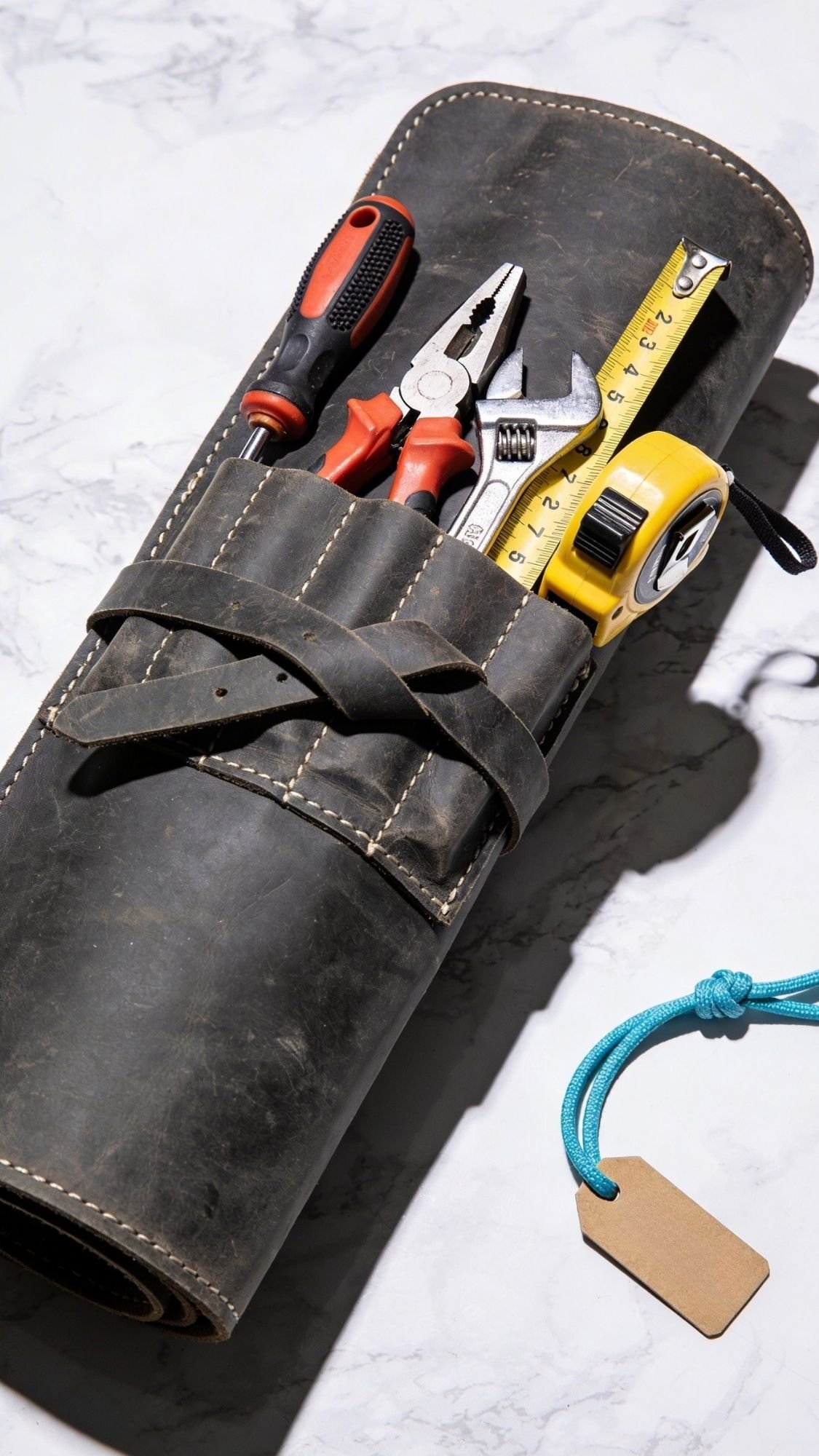
17. Canvas Tool Roll: Organized, Portable, Not Precious
If he has tools floating around in a drawer like a metal junk salad, this gift fixes that. A tool roll keeps everything visible, portable, and easy to grab, especially for the car, garage, or apartment toolbox situation. It also looks rugged in the best way when you use sturdy canvas and clean stitching. Bonus, you can customize pocket sizes for what he actually uses, not what some pattern designer thinks he uses.
Why He’ll Actually Use It
- He finds tools fast instead of digging around
- He can grab it and go, especially for quick fixes
- It keeps tools from scratching everything else in a bag
Fabric Picks That Hold Up
- Canvas duck (heavyweight) for durability and structure
- Waxed canvas if you want wipe-clean and extra rugged vibes
- Add a simple lining if you want it to look extra finished, but you don’t need it
Tools + Supplies
- Heavy canvas, about 1/2 yard
- Webbing or canvas strap for tie closure
- Heavy-duty thread
- Sewing machine with denim needle
- Fabric clips
- Scissors or rotary cutter
- Ruler and fabric chalk
- Optional: grommet kit, leather strap upgrade, bias tape for clean edges
Pro Tip
- Measure his tools first. A tool roll fails when pockets run too shallow or too tight, and he stops using it. You want snug, not suffocating.
Step-By-Step (Reliable Layout That Works For Most Tools)
- Cut the base rectangle. Start around 18 x 14 inches, then adjust based on tool length.
- Cut a pocket panel strip. Make it the same width as the base, and about 6 to 8 inches tall.
- Hem the pocket top edge. This edge takes the most stress, so stitch it strong.
- Clip pocket panel to the base and stitch vertical dividers. Mark pocket widths based on his tools, then sew straight lines down.
- Add a top flap if you want extra security. A flap keeps tools from sliding out in a bag.
- Attach straps and test roll tension. Make sure it rolls tight without bending long tools awkwardly.
Make It Look Store-Bought
- Use matte black hardware if you add grommets or buckles
- Stitch straight, then topstitch again for that clean “made on purpose” look
- Add one small label tag, keep it minimal
Common Mistakes (And Fixes)
- Roll feels bulky: pockets sit too tall or tools sit too deep. Shorten pocket height, or stagger pocket heights for different tools.
- Tools slide out: pockets run too loose or roll lacks a flap. Sew narrower pockets, add a flap, or add a strap that cinches tighter.
- Seams pop: thread or needle can’t handle thickness. Switch to heavy-duty thread and a denim needle, then slow down at thick spots.
- Edges fray fast: you skipped finishing edges. Hem edges, bind with bias tape, or use a zigzag stitch.

18. Wooden Headphone Stand: Desk Upgrade He Notices
This is one of those gifts that looks expensive even if the build is pretty straightforward. Headphones always end up tossed on the desk, hung on a chair, or balanced on something they definitely shouldn’t be balanced on. A stand gives them a home, keeps the desk cleaner, and makes his setup look intentional. He’ll notice it every single day.
Why He’ll Actually Use It
- It keeps headphones from getting crushed or scratched
- It clears desk clutter without effort
- It makes his desk look more “put together” instantly
Wood Choices That Look High-End
- Walnut: luxury, dark, hides wear
- Maple: clean, modern, light
- Oak: classic, durable
- Plywood can work if you edge-band it cleanly, but hardwood usually looks more premium.
Tools + Supplies
- Hardwood board or glued-up panel
- Saw (jigsaw, bandsaw, or scroll saw depending on shape)
- Sandpaper: 120, 180, 220
- Wood glue (if building a multi-piece base)
- Finish: wipe-on poly or hardwax oil
- Optional: cork feet, felt pad, cable notch
Pro Tip
- Round the top edge where the headphones sit. Sharp edges can dent ear pads over time, and that’s the fastest way to make the gift feel annoying instead of helpful.
Step-By-Step (Clean, Reliable Build)
- Choose your shape. A simple arch or T-stand looks modern and avoids complicated cuts.
- Cut the main profile. Go slow, clean cuts matter because sanding can only fix so much.
- Sand thoroughly. 120 to shape, 180 to smooth, 220 to finish. Don’t leave scratch marks unless that’s your design choice, and it shouldn’t be.
- Add a stable base. Wide base means it won’t tip when he grabs headphones one-handed.
- Add optional features. A small notch for a charging cable is a nice upgrade, especially if his headphones charge.
- Finish in thin coats. This is a desk item, so it needs a finish that resists fingerprints and minor moisture.
Make It Look Store-Bought
- Use a matte or satin finish, glossy can look plasticky
- Add cork or felt feet so it doesn’t slide
- Keep design minimal, clean shape, smooth edges, no extra decoration
Common Mistakes (And Fixes)
- Stand tips easily: base is too narrow. Widen base or add weight underneath.
- Headphone pads get dented: top edge is too sharp. Sand to a soft rounded profile.
- Finish shows streaks: coat was too thick. Scuff-sand lightly and apply thinner coats.
- Wood grain looks dull: you skipped final sanding. Go to 220 and wipe dust before finishing.
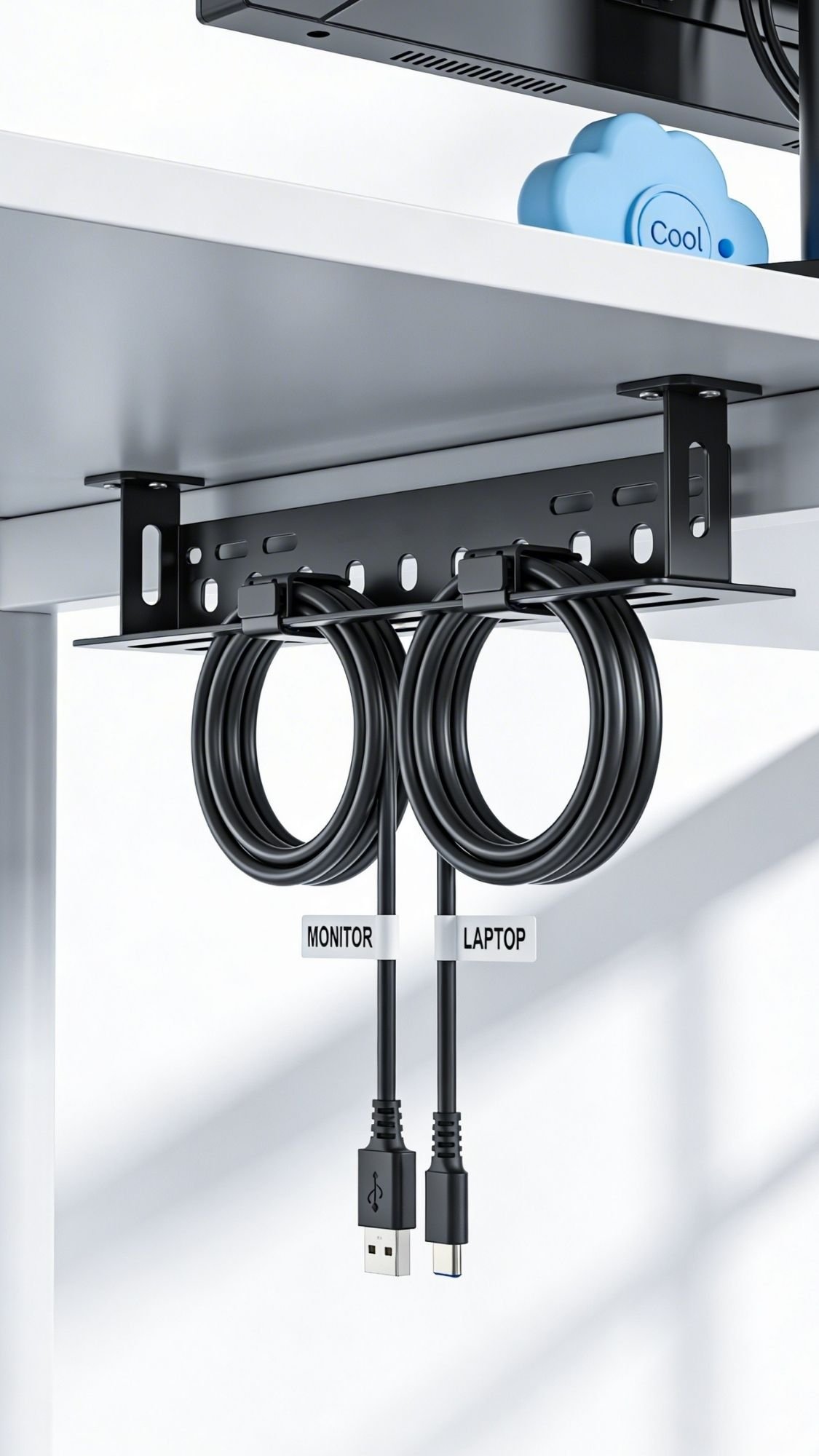
19. Under-Desk Cable Tray: The Hidden Hero Gift
This is the least flashy gift on the list and one of the most life-improving. If his desk looks like a spaghetti crime scene underneath, a cable tray fixes it fast. It also makes the whole setup feel cleaner, calmer, and more “adult.” And no, you don’t need to build a custom desk to make this work.
Why He’ll Actually Use It
- It stops cables from dangling and snagging on his feet
- It makes charging and swapping devices less annoying
- It makes the whole desk area look instantly cleaner
What To Build (Simple Options That Work)
- Option A: Wood slat tray (looks premium, matches wood desk accessories)
- Option B: Wire rack tray (fastest, super functional)
- Option C: Hidden cable channel + clips (minimal, cleanest look)
This post focuses on the DIY-friendly wood slat version, since it fits the handmade theme best.
Tools + Supplies
- Thin wood slats (or a small hardwood board you rip into strips)
- Screws
- Drill + bit
- Measuring tape
- Sandpaper
- Finish (wipe-on poly or hardwax oil)
- Cable clips or zip ties
- Optional: adhesive cable labels, power strip mounting tape
Pro Tip
- Measure with his power strip in hand. The tray has to fit the actual strip plus plugs, not just the strip dimensions.
Step-By-Step (Wood Slat Tray Version)
- Measure the space under the desk. Aim for a tray that sits back far enough to stay hidden from the front.
- Cut slats and side rails. Side rails support the slats and give you a place to screw into.
- Sand and pre-finish pieces. Pre-finishing makes it easier than trying to finish upside down under a desk later.
- Assemble tray. Space slats slightly so cables can drop in and out easily.
- Mount securely under desk. Use pilot holes so you don’t split wood or strip screws.
- Route cables and secure with clips. Group by purpose: monitor, laptop, speakers, etc.
- Label cable ends. This seems extra until he unplugs something and doesn’t know what it was.
Make It Look Store-Bought
- Use a matching wood tone to his desk accessories, walnut always looks premium
- Keep screw heads aligned and clean
- Add simple cable labels with neat text
Common Mistakes (And Fixes)
- Tray sags: wood is too thin or spacing is too wide. Use thicker rails or add a center support.
- Cables still dangle: you didn’t secure them at exit points. Add clips near the desk edge.
- Screws strip out: you skipped pilot holes. Drill pilots and don’t over-tighten.
- It looks messy inside: group cables and tie them, don’t just toss everything in.
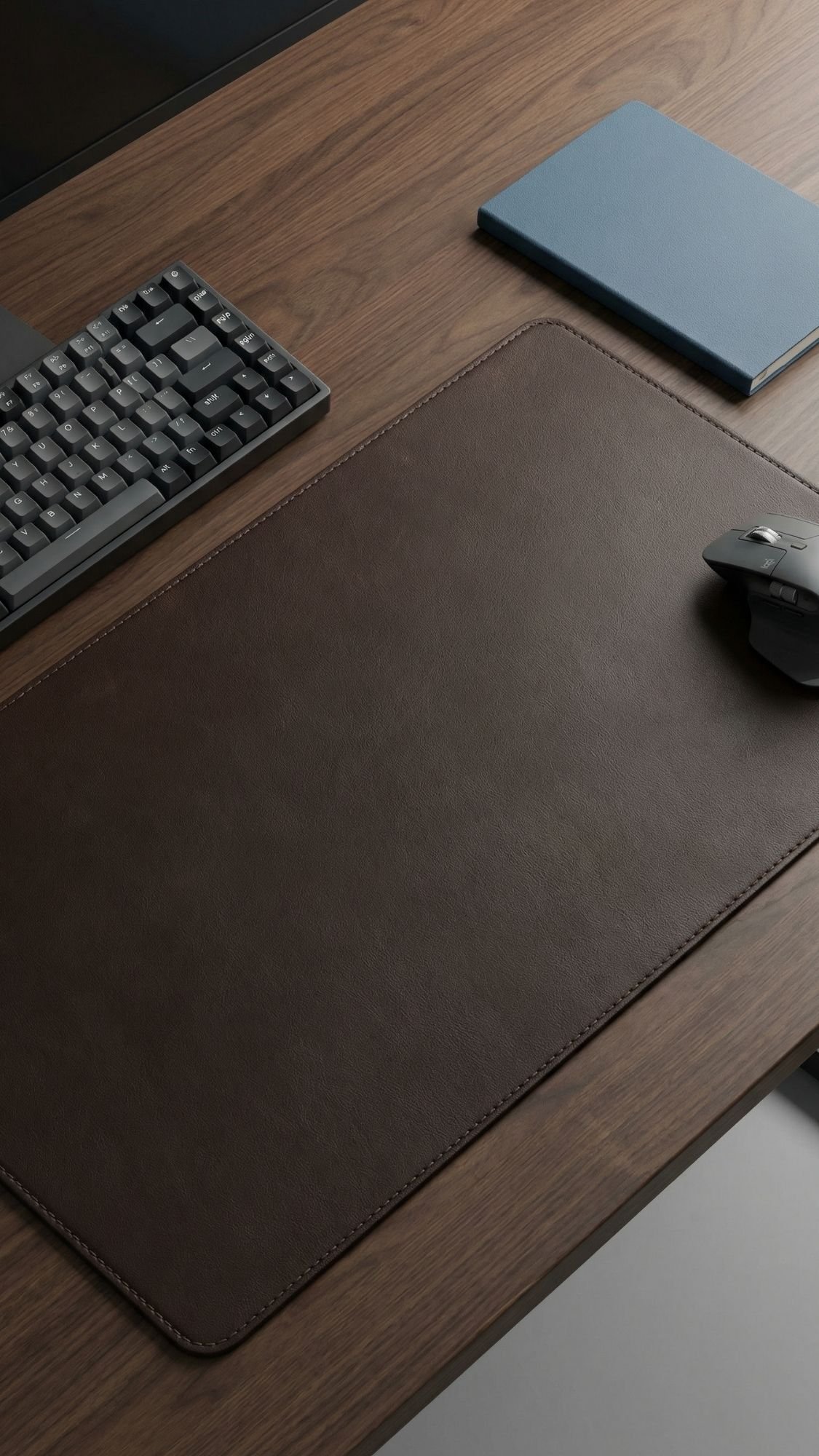
20. Leather Desk Mat Or Mouse Pad: Quiet Luxury, Daily Use
This one feels like a “grown man” upgrade. A leather desk mat makes his whole setup look cleaner, and it protects the desk from scratches, coffee rings, and whatever random project he’s doing at 11 PM. It also feels nice to use, which matters way more than people admit.
Why He’ll Actually Use It
- It upgrades his desk instantly without him changing anything
- It protects the surface from wear and spills
- It feels premium every time he sits down
Material Options That Work
- Full-grain leather: best feel and longevity, develops patina
- Top-grain leather: still great, usually a bit more uniform
- Vegan leather: works if it’s thick and stitched or edge-finished well
Tools + Supplies
- Leather sheet sized to his desk space or mouse area
- Metal ruler + sharp rotary cutter or craft knife
- Cutting mat
- Edge beveler (optional but nice)
- Burnishing gum or edge paint
- Leather conditioner
- Optional: cork backing, double-sided tape, stitched border
Pro Tip
- Add a non-slip backing. A desk mat that slides around gets annoying fast, and he’ll stop using it. Cork backing fixes that.
Step-By-Step (Clean And Professional)
- Measure the desk area. Choose a size that fits his keyboard and mouse comfortably, or go smaller for a mouse pad.
- Cut the leather with slow, straight cuts. This is a “clean edges matter” project, so take your time.
- Square and round corners slightly. Rounded corners wear better and look more finished.
- Finish the edges. Burnish for a natural edge, or use edge paint for a sleek modern look.
- Add backing if needed. Cork makes it feel thicker and keeps it in place.
- Condition lightly. Light conditioning improves feel and helps resist minor moisture.
Make It Look Store-Bought
- Pick a deep neutral like espresso brown or black
- Keep it logo-free or add a tiny monogram in one corner
- Use edge paint if you want a super sleek “designer” vibe
Common Mistakes (And Fixes)
- Corners curl: leather is too thin or tension is uneven. Add cork backing or choose thicker leather.
- Edges look rough: blade was dull or you cut too fast. Re-trim with a fresh blade and finish edges properly.
- Mat slides: no grip. Add cork backing or thin non-slip liner underneath.
- Stains show: leather wasn’t sealed or conditioned. Clean gently and condition, then consider a protective finish next time.
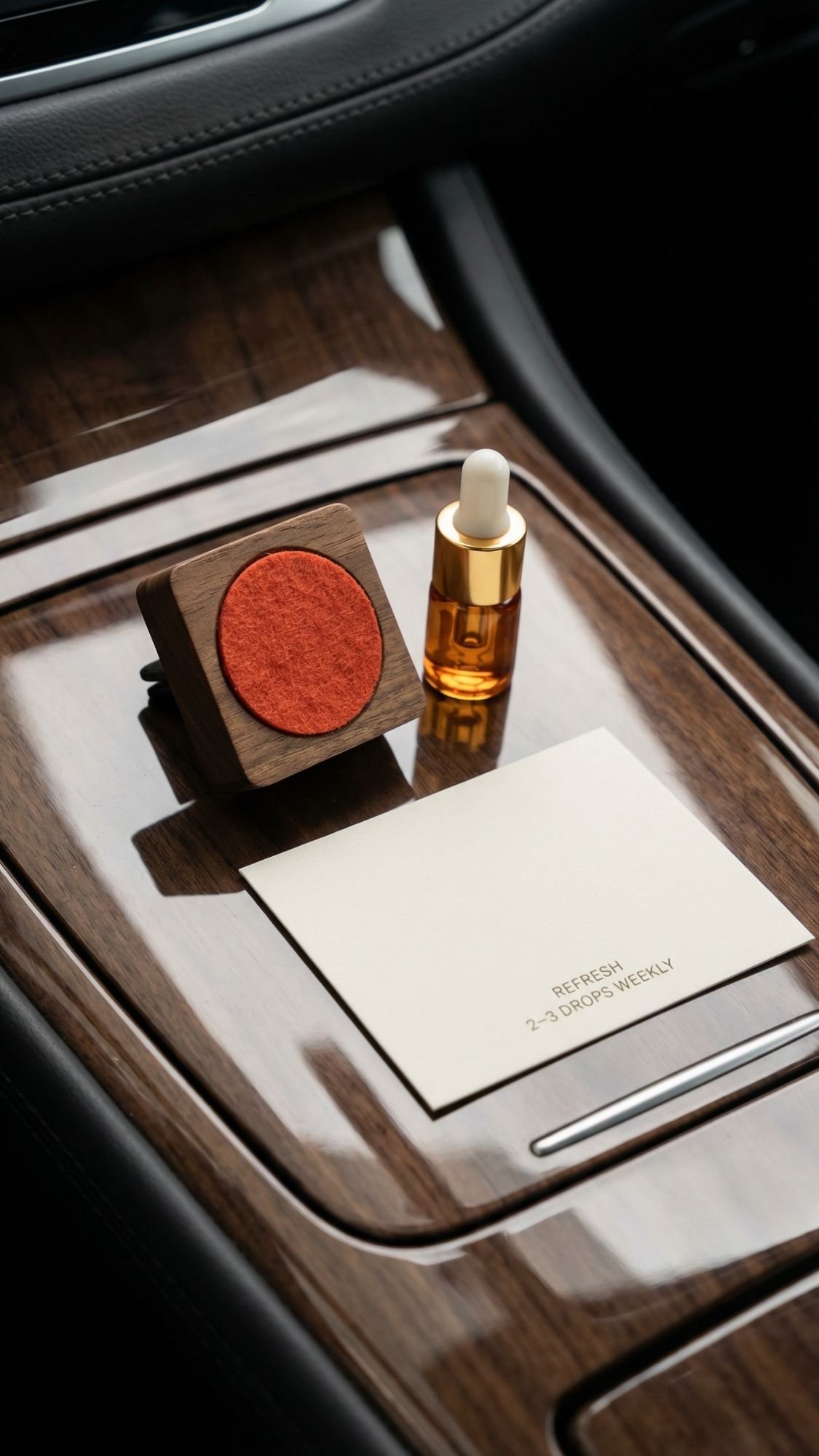
21. Refillable Car Air Freshener: Wood + Scent Discs, No Toxic Gas Station Vibes
This gift is small but sneaky useful. If he spends any time in his car, a refillable air freshener keeps things smelling good without the overwhelming “chemical pineapple” situation. It also looks way nicer than those dangling cardboard trees that scream “I forgot my life was messy.”
Why He’ll Actually Use It
- It makes the car smell better without being overpowering
- It’s refillable, so it doesn’t turn into trash after a week
- It looks clean and minimal, not gimmicky
What Works Best
- A small wooden vent clip or hanging wood piece
- Felt discs or absorbent pads you can refresh with scent
- A subtle scent blend that feels “fresh” not “bathroom cleaner”
Supplies
- Small unfinished wood discs or a wooden vent clip blank
- Felt discs or cotton pads
- Small clip hardware or hanging cord
- Essential oil blend or skin-safe fragrance oil
- Sealer for wood (optional but helps longevity)
- Tiny glass dropper bottle (optional for a refill gift)
Pro Tip
- Seal the wood lightly. Unsealed wood can stain or absorb oils unevenly. A light sealer helps it look cleaner and last longer.
Step-By-Step
- Prep and seal the wood (optional). A light coat is enough. Let it dry fully.
- Attach hardware (vent clip or cord). Make sure it’s secure and sits flat.
- Add the felt disc or pad. This is what actually holds scent.
- Add scent slowly. Start with 3 to 5 drops. More is not always better.
- Include a refill plan. Give him a tiny bottle and a note: “Add 2 to 3 drops weekly.”
Scent Ideas That Feel “Nice Car,” Not “Car Wash”
- Cedar + citrus
- Eucalyptus + mint
- Sandalwood + bergamot
- Fresh linen type blends if he likes clean and light
Make It Look Store-Bought
- Keep the design minimal, one wood shape, one cord or clip
- Add a tiny tag that says:
- “REFRESH WEEKLY”
- Use a neutral palette and one accent color like Jade or Cool Blue in the packaging
Common Mistakes (And Fixes)
- Scent disappears fast: pad is too small or you used low-quality oils. Use better oils and refresh weekly.
- Wood looks stained: you used too much oil or didn’t seal. Wipe excess, seal lightly next time.
- Clip breaks or slips: hardware is flimsy. Upgrade to a sturdier vent clip piece.
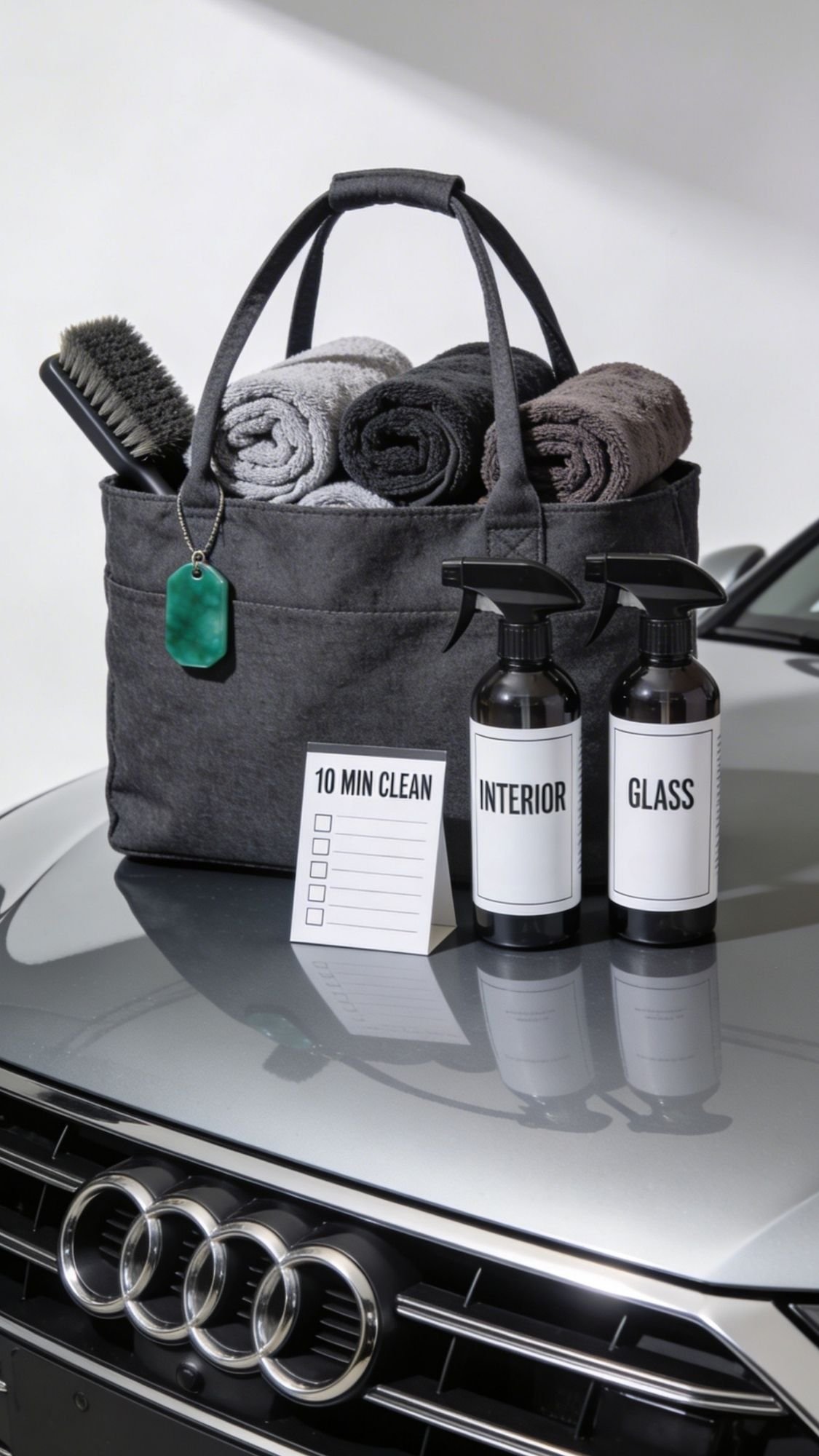
22. Car Detailing Tote: The “My Car Looks Good” Kit
This gift works because it turns car cleaning into a grab-and-go routine instead of a chaotic pile of random bottles. He opens the trunk, grabs one tote, and he has everything. Would he buy this for himself? Probably not. Will he love having it? Yep.
Why He’ll Actually Use It
- It saves time because everything stays in one place
- It makes cleaning feel easier, so he does it more often
- It prevents spills and bottle roll-around chaos in the trunk
What To Include (Keep It Simple And Useful)
- Microfiber towels (at least 6, more if you want it fancy)
- Glass cleaner (streak-free matters)
- Interior cleaner (safe on plastics and screens)
- Tire shine or tire cleaner (optional, but satisfying)
- Detailing brush (vents and seams)
- Small spray bottle of diluted all-purpose cleaner (labeled clearly)
What To Skip (Because It Gets Annoying)
- Strongly scented products that linger forever
- Anything “super glossy” for interiors, it attracts dust fast
- One giant bottle that leaks, smaller bottles behave better
Tools + Supplies
- Sturdy tote or caddy (canvas or structured plastic)
- Small spray bottles (8 to 12 oz)
- Waterproof labels
- Funnel
- Microfiber towels
- Soft detailing brush
- Optional: collapsible trash bag roll, gloves, small zip pouch for tiny items
Pro Tip
- Label bottles like a normal person. If he has to sniff a bottle to figure out what it is, he won’t use it. Keep labels bold and obvious.
Step-By-Step (Assemble It Like A Premium Kit)
- Pick the tote first. Choose one with structure and a flat bottom so bottles stay upright.
- Decant into matching bottles. Use a funnel, wipe the threads, and cap tight.
- Label every bottle before it goes in. Keep it simple: “GLASS”, “INTERIOR”, “APC”.
- Roll microfiber towels. Rolled towels look neat and stay cleaner than loose towels.
- Add the brush and a small trash bag roll. These two add real value and take up almost no space.
- Include a quick checklist card. He can follow it in 10 minutes without thinking.
Quick Checklist Card (Put This On A Small Card)
- Remove trash
- Wipe dash and console
- Clean screens carefully
- Clean glass inside and out
- Quick vacuum if you want bonus points
Make It Look Store-Bought
- Use matching bottles and aligned labels
- Keep the tote neutral, charcoal or tan looks premium
- Add one accent color tag, like Jade or Cool Blue, and keep the rest minimal
Common Mistakes (And Fixes)
- Tote tips over: base is too soft. Add a flat insert, like a cut piece of plastic or sturdy cardboard wrapped in fabric.
- Bottles leak: caps aren’t tight or threads got product on them. Wipe threads dry, then cap.
- Microfibers smell weird later: he used them wet and tossed them in the tote. Add a small zip bag labeled “USED TOWELS” so they stay separate.
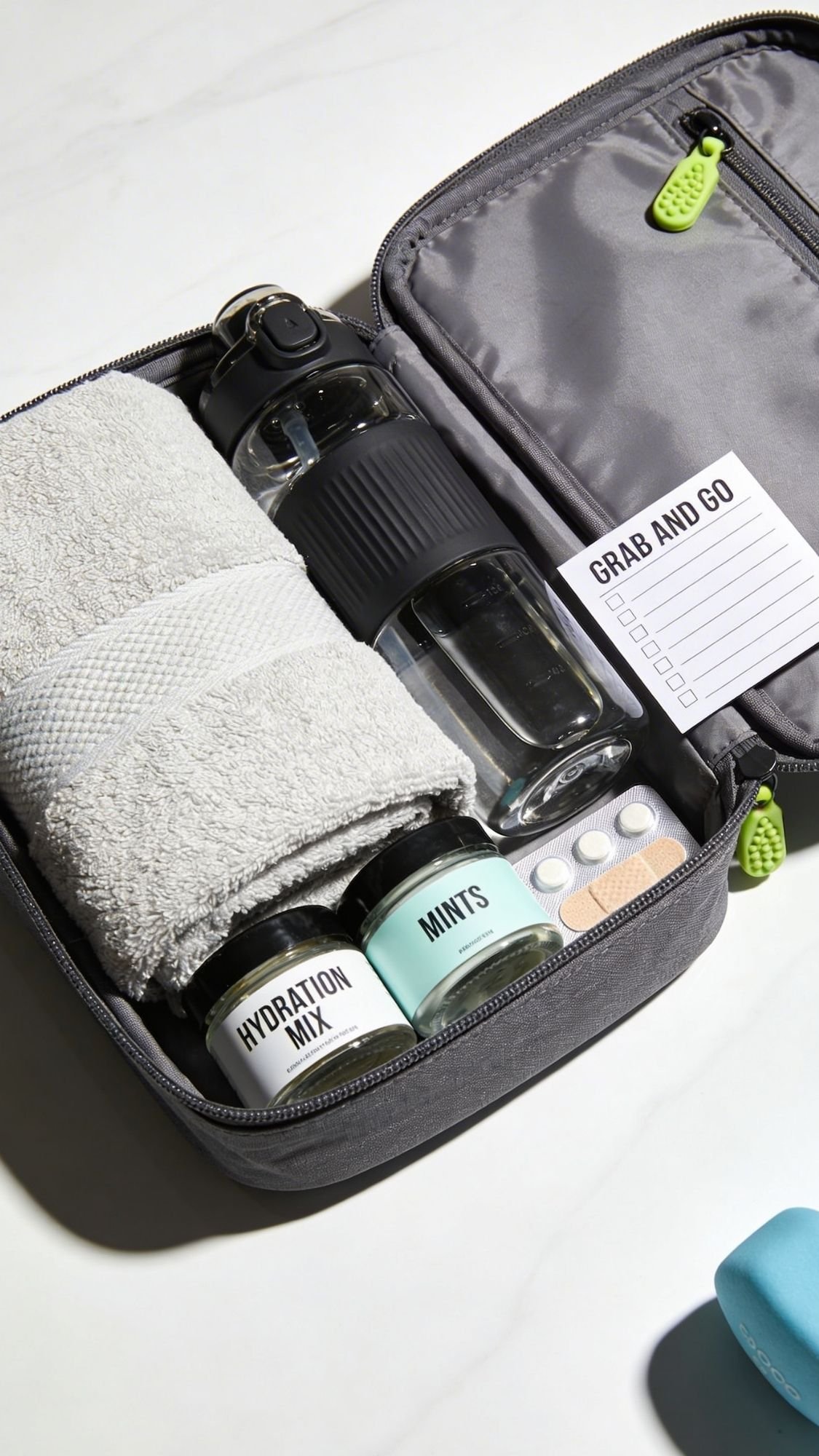
23. Gym Hydration Kit: Grab-And-Go, No Excuses
This gift feels simple, but it solves a real problem fast. He heads to the gym, realizes he forgot something, and then he powers through with dry hands and one sad water bottle. A hydration kit makes the whole routine smoother, and it looks surprisingly premium when you package it like a real “system.” Does he love efficiency even when he pretends he doesn’t? Perfect.
Why He’ll Actually Use It
- He grabs one pouch and he’s ready
- It supports workouts without being fussy
- It fits gym, hiking, and “I’m trying to be consistent” seasons
What Goes In The Kit (Keep It Practical)
- A small pouch or zip bag
- Travel towel or sweat towel
- Refillable bottle or shaker bottle
- DIY electrolyte mix jar (single-serve portions)
- Gum or mints
- Optional upgrades: blister bandages, mini deodorant wipes, hair ties if he uses them
Supplies
- Small pouch (structured looks nicer)
- Mini jars or tubes for mix portions
- Waterproof labels
- Funnel
- Cord or strap materials for a towel loop: webbing, elastic, or paracord
- Optional: carabiner clip (makes it easy to hang in a locker)
Pro Tip
- Label the portions clearly. If he has to guess how much to use, he’ll ignore it and drink plain water, which kind of defeats the point.
DIY Electrolyte Mix (Simple, Not Overcomplicated)
This mix depends on sweat level, workout length, and taste preferences, so keep it flexible. Start mild, then adjust next time.
- Base portion idea: a small jar with a blend of salt + sugar, plus optional citrus powder or drink mix for flavor
- Write a simple instruction label like: “Mix 1 portion into 16 to 24 oz water”
If he has high blood pressure, kidney issues, or needs to limit sodium, keep the mix super light and include a note to check what works for him.
Make A Towel Strap (So The Towel Doesn’t Become A Bag Wreck)
- Cut a strip of webbing or elastic.
- Stitch or rivet into a loop.
- Add a small clip or carabiner.
- Attach it to the pouch so it all stays together.
Make It Look Store-Bought
- Use matching mini jars and labels
- Pick one accent color, like Cool Blue or Wasabi, and repeat it on the labels and the zipper pull
- Add a tiny checklist card inside the pouch:
- Bottle
- Towel
- Mix portion
- Blister bandage
Common Mistakes (And Fixes)
- Mix tastes too salty: use less salt, add a little flavoring, and increase water volume.
- Labels peel off jars: wipe jars with rubbing alcohol first and use waterproof labels.
- Pouch gets gross inside: add a small zip bag labeled “USED TOWEL” so sweaty stuff stays separate.
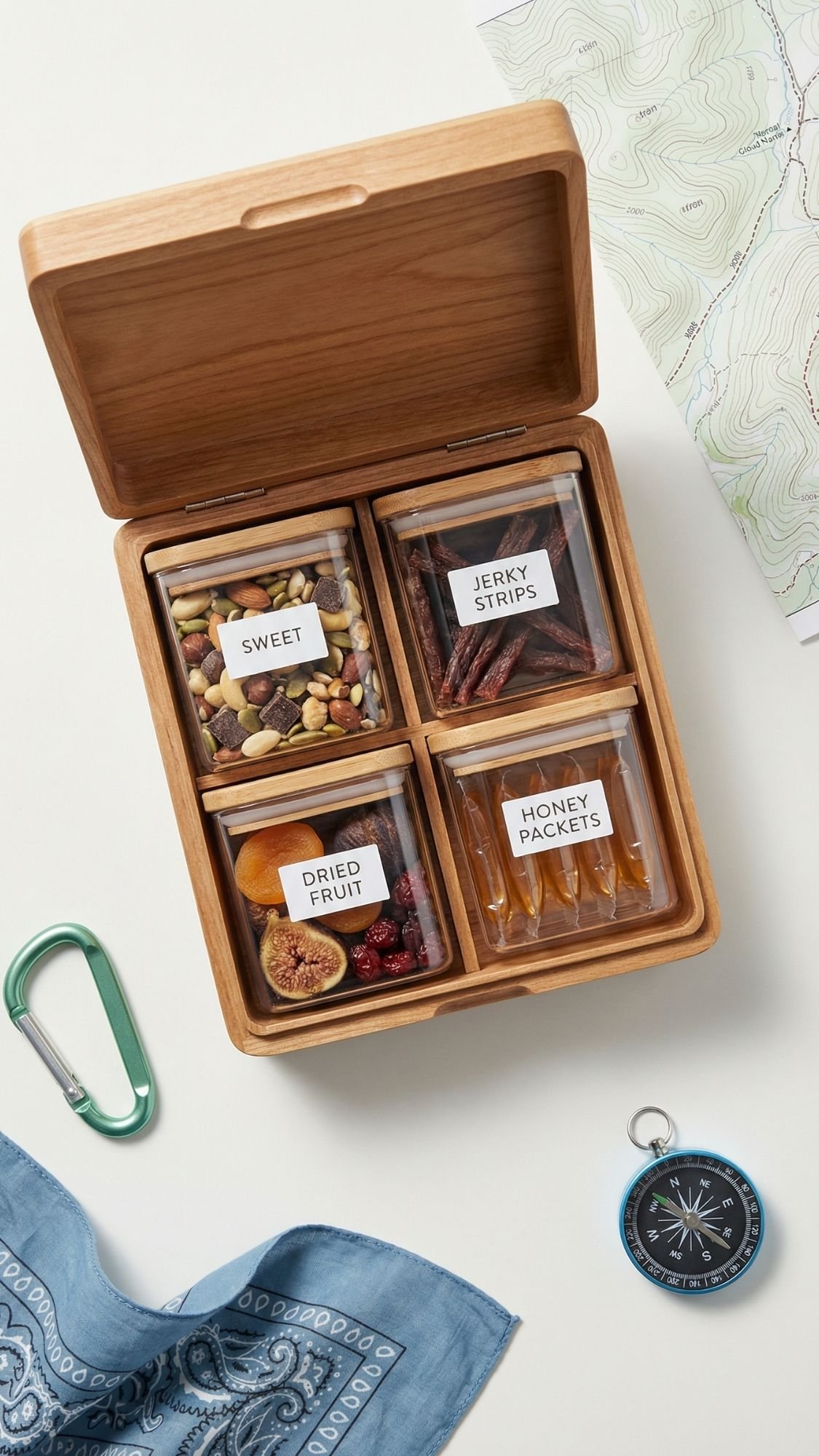
24. Climbercore Snack Box: Trail Fuel, But Make It Cute And Useful
This one is for the guy who’s always hungry, always moving, or always “about to go do something outside.” A snack box sounds basic until you realize how often people forget to eat, then crash hard. You’re basically gifting him better energy and fewer hangry moments. Romantic, honestly.
Why He’ll Actually Use It
- It’s practical for hikes, road trips, gym bags, and long work days
- It helps him avoid convenience-store junk when he’s starving
- It feels thoughtful because it matches his routine
What Makes A Snack Box Feel Premium
The difference between “random snacks” and “gift-worthy kit” is:
- Portioning
- Variety
- Packaging that looks intentional
Build The Box (Use 4 Snack Categories)
- Protein: jerky, roasted chickpeas, protein bars
- Crunch: nuts, pretzels, trail mix
- Sweet: dried fruit, chocolate-covered almonds
- Quick fuel: mini honey packets, electrolyte tabs, gummy chews
Supplies
- Small box or sturdy pouch
- Mini containers or zip pouches for portions
- Labels or tags
- Optional: mini desiccant packet for crispness
- Optional: a tiny “fuel guide” card
Pro Tip
- Portion it. If you toss everything in loose, it turns into a chaotic snack pile. Portioning makes it feel curated and makes it easier to grab and go.
Add A Tiny “Fuel Guide” Card (Simple, Useful)
- “Quick snack before: carbs + a little salt”
- “Long hike: eat something every 60 to 90 minutes”
- “Post: protein + water”
Keep it short. Nobody wants a lecture inside a snack box.
Make It Look Store-Bought
- Use matching mini pouches or containers
- Label sections: “PROTEIN”, “CRUNCH”, “SWEET”, “FUEL”
- Add one accent color tag like Jade or Cool Blue, and keep the rest neutral
Common Mistakes (And Fixes)
- Snacks go stale: containers aren’t airtight. Upgrade pouches and add a desiccant packet.
- It feels random: you didn’t balance categories. Use the 4-category method and it always feels planned.
- It’s too bulky: you overpacked. Keep it portable so he can actually bring it.
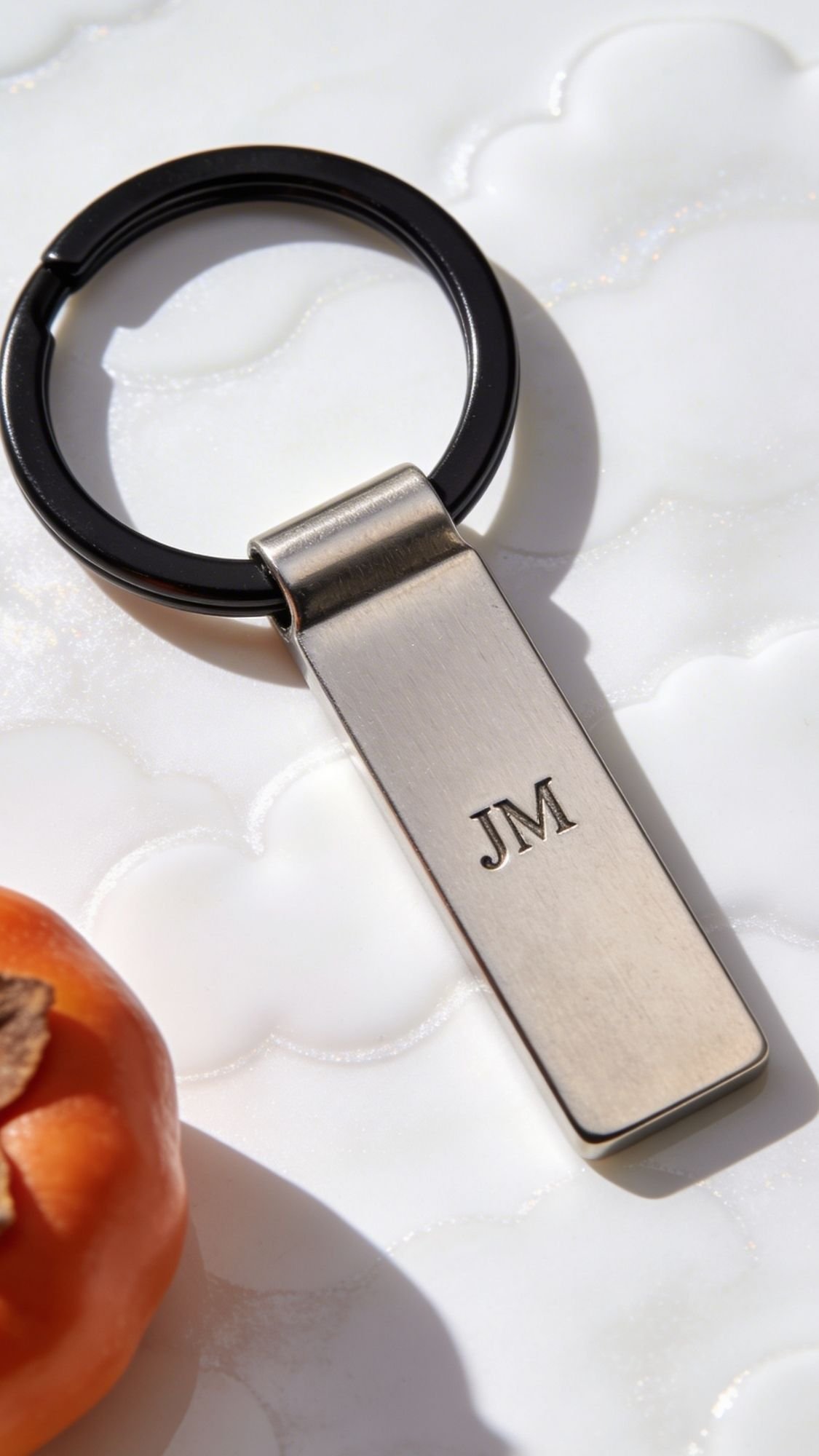
25. Hand-Stamped Metal Keyring: Simple, Clean, Constant Use
This is the small-but-mighty gift. It’s quick, it’s personal, and it gets used every day because it lives on his keys. The key is keeping the design minimal so it feels like something he’d actually carry, not something that belongs on a scrapbook page.
Why He’ll Actually Use It
- It’s attached to something he already uses daily
- It adds a personal detail without being loud
- It’s durable when you stamp and seal it properly
What To Stamp (Keep It Short And Good)
- Initials
- A date (month/day/year)
- Coordinates (if you didn’t do the leather fob)
- A short phrase that only you two get, like “OUR SPOT” or “HOME”
Short wins. Long phrases turn into tiny messy letters.
Supplies
- Blank metal tag (aluminum, brass, or stainless steel)
- Key ring
- Metal stamping set
- Steel bench block (or a hard anvil surface)
- Hammer
- Painter’s tape (helps keep stamps straight)
- Permanent marker (optional for darkening letters)
- Clear sealant spray or metal wax (helps prevent tarnish)
Pro Tip
- Tape a straight line guide. Stamps bounce, and metal doesn’t forgive. Painter’s tape gives you a baseline so letters stay aligned.
Step-By-Step
- Tape a baseline across the metal tag.
- Mark the center point lightly, then stamp outward so spacing stays even.
- Stamp one letter at a time with firm, straight hits. One solid hit beats three timid taps.
- Darken the letters (optional). Rub marker ink into the stamps, then wipe the surface clean.
- Seal the metal lightly. This keeps brass from tarnishing fast and keeps marks looking crisp.
- Attach the key ring and you’re done.
Make It Look Store-Bought
- Choose a clean shape, circle or rounded rectangle
- Keep stamping centered and minimal
- Pair with a matte black ring or simple brass ring
Common Mistakes (And Fixes)
- Letters look crooked: no baseline guide. Use tape and stamp slower.
- Stamp is too light: you didn’t hit hard enough. Increase force and use a steel block underneath.
- Metal gets scratched: you stamped on a rough surface. Use a bench block and keep the tag clean.
- Tarnish shows up: you didn’t seal it. Apply a light sealant coat.
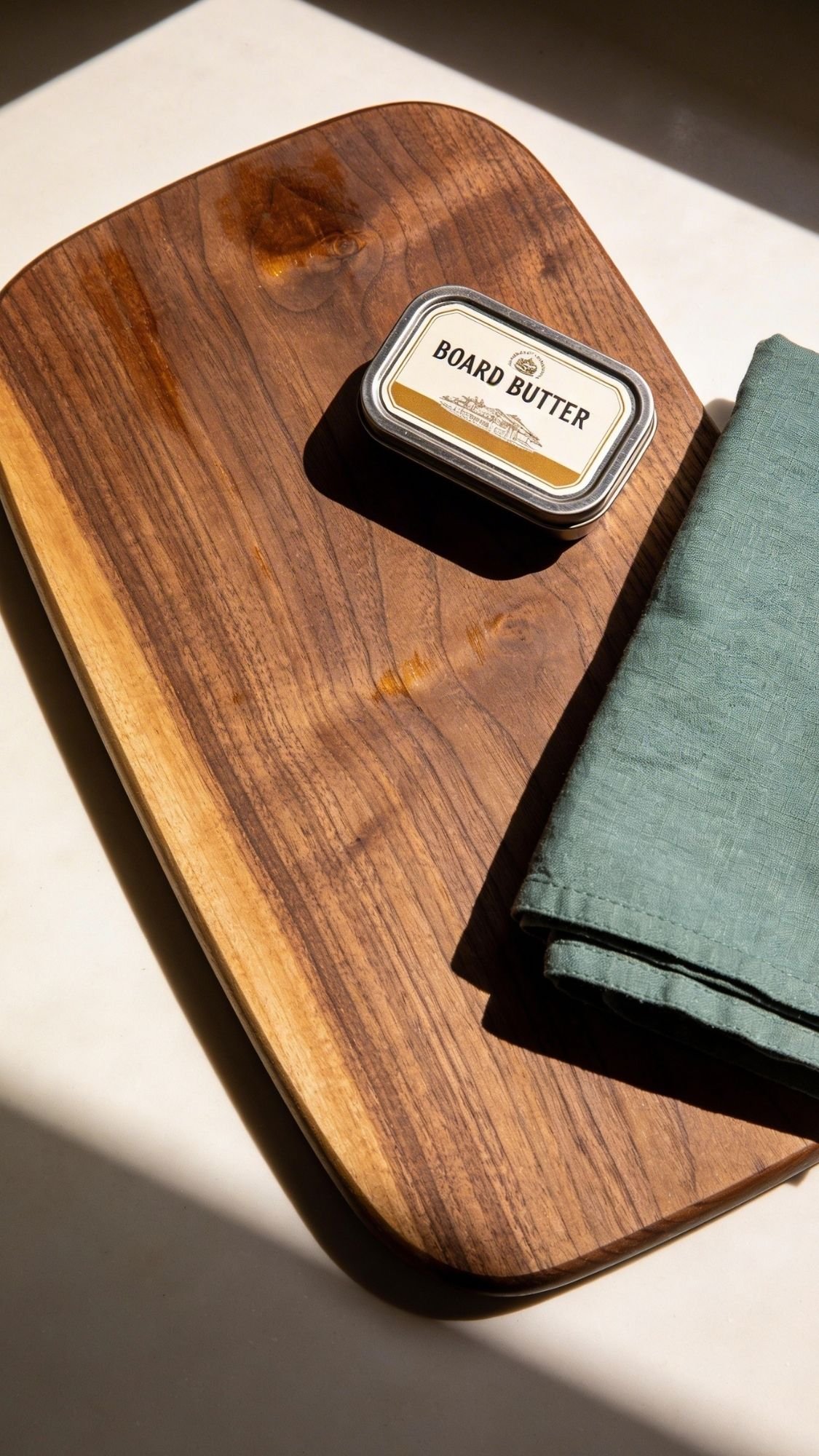
26. Wooden Cutting Board Or Pizza Peel: Kitchen Utility Gift That Lasts
This is a “real life” gift. He uses it for snacks, meal prep, pizza nights, grilling, charcuterie moments, or just chopping something while pretending he’s on a cooking show. A good board or peel feels premium because wood always does, and it lasts a long time if you finish it correctly.
Why He’ll Actually Use It
- It’s useful for everyday food, not just special occasions
- It looks good sitting out, so it gets grabbed more often
- It holds up for years when you oil and seal it properly
Wood Choices (Food-Safe And Durable)
- Maple: classic cutting board wood, tight grain
- Walnut: rich and luxe, hides marks well
- Cherry: warm tone, ages beautifully
- Avoid open-grain woods like oak for cutting boards, they can trap moisture and odors more easily.
Tools + Supplies
- Hardwood board, at least 3/4 inch thick
- Saw (if shaping)
- Sandpaper: 120, 180, 220
- Food-safe mineral oil
- Beeswax (for board butter)
- Clean cloths
- Optional: router for a juice groove, handles, hanging hole
Pro Tip
- Round every edge. Sharp corners chip, feel rough, and make the whole thing look unfinished. Rounded edges feel pro and protect the wood.
Step-By-Step (Cutting Board Version)
- Cut to size and shape. Keep it manageable so it’s easy to wash. Huge boards look cool but get ignored.
- Sand thoroughly. 120 to shape, 180 to smooth, 220 to finish. Wipe dust between grits.
- Optional: add a juice groove. Useful for meat, juicy fruit, and anything that loves to run off the board.
- Oil the board generously. Mineral oil soaks in and protects. Apply, wait, wipe excess.
- Repeat oiling. Do several coats until the wood stops drinking it instantly.
- Finish with board butter. Melt beeswax into mineral oil to make a simple protective balm, then buff it in.
Pizza Peel Option (If He’s A Pizza Person)
- Keep the peel thinner and smooth so the pizza slides.
- Add a handle and seal it well, it will see moisture and heat.
Care Instructions (Include This With The Gift)
- Hand wash only, no dishwasher.
- Dry immediately, don’t soak.
- Re-oil when it looks dry or chalky.
- Refresh with board butter monthly if it gets heavy use.
Common Mistakes (And Fixes)
- Board feels rough after washing: grain raised from water. Light sand with fine grit and re-oil.
- Board warps: one side absorbed more moisture. Oil both sides equally, store flat.
- Looks blotchy: you didn’t sand evenly. Re-sand smooth and re-oil.
- Smells like onions forever: clean with lemon and salt, then re-oil.
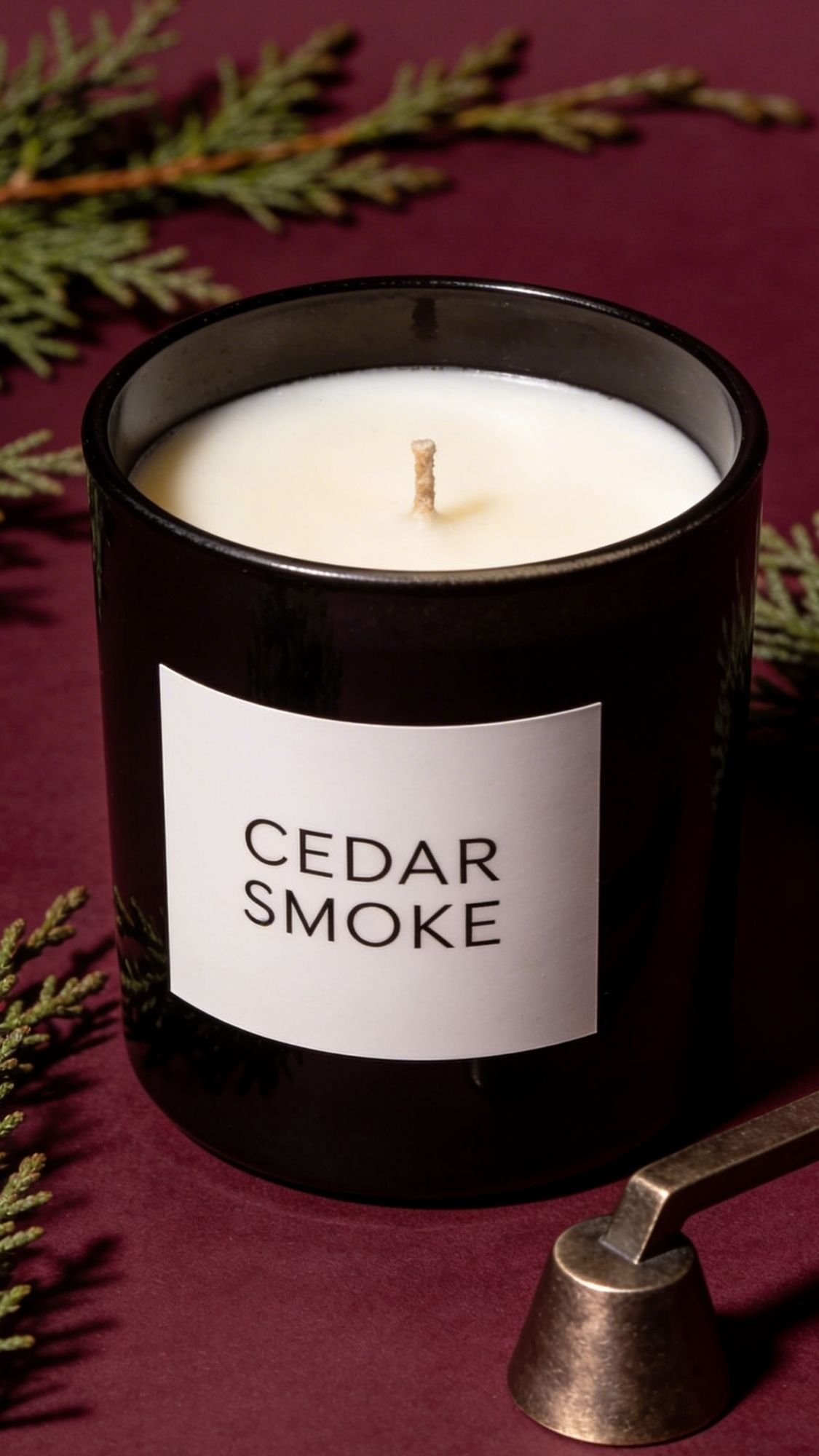
27. Refillable Candle With A “Not Sweet” Scent Profile: Grown, Clean, Actually His Vibe
This is the candle for people who hate “cupcake frosting vanilla sugar cookie” scents. You’re making something that smells like a nice hotel lobby, a clean cabin, or a fancy jacket. The refillable part makes it feel intentional and less like a one-and-done gift.
Why He’ll Actually Use It
- It makes his space smell good without being overly perfumey
- It feels relaxing, especially for nighttime routines
- A refillable jar means he keeps the container and refills it later
Scent Profiles That Feel “Masculine” Without Being Weird
- Cedar + Smoke
- Sandalwood + Bergamot
- Leather + Vanilla (not sweet, just warm)
- Eucalyptus + Mint
- Amber + Black Pepper
Keep it clean and subtle. If it punches you in the face when you open the lid, it’s too much.
Supplies
- Candle jar (matte black looks premium, glass looks classic)
- Soy wax or coconut soy wax blend
- Wick (sized to your jar diameter)
- Wick sticker or hot glue
- Fragrance oil (candle-safe, not random essential oils)
- Pour pitcher or heat-safe container
- Thermometer (recommended)
- Labels
Pro Tip
- Let the wax cool a bit before adding fragrance oil. If you add fragrance when the wax is too hot, you can lose scent strength and the candle can burn weird.
Step-By-Step (Clean, Reliable Candle)
- Prep the jar and wick. Center the wick carefully, a crooked wick burns uneven.
- Melt wax slowly. Gentle heat prevents scorching and reduces air bubbles.
- Cool to your mixing temp, then add fragrance. Stir slowly but thoroughly so it distributes evenly.
- Pour steadily into the jar. Pouring too fast creates air pockets and messy tops.
- Let it set undisturbed. Don’t move it around while it cools.
- Trim wick and label. Trim to about 1/4 inch for a clean burn.
- Cure before gifting if possible. Candles perform better after they cure, and the scent throws stronger.
Make It Refillable
- Include a small “refill note” card:
- “Save the jar, wipe it clean, refill with wax later”
- If you want to go extra, include a second wick and a small wax refill bag.
Make It Look Store-Bought
- Matte black jar + minimalist label = instant luxury
- Use one clean name like:
- “CEDAR SMOKE”
- Keep label placement straight and centered, no crooked chaos
Common Mistakes (And Fixes)
- Tunneling (burns down the middle): wick is too small. Use the correct wick size and make sure he burns long enough on the first burn to melt edge-to-edge.
- Frosting (white cloudy patches on soy): soy does this sometimes. It’s cosmetic, not a failure. Pour at the right temp and cool slowly to reduce it.
- Cracked tops: cooled too fast. Let it cool at room temp, away from drafts.
- Weak scent throw: fragrance added too hot or too little. Add at proper temp, measure accurately, and let it cure.
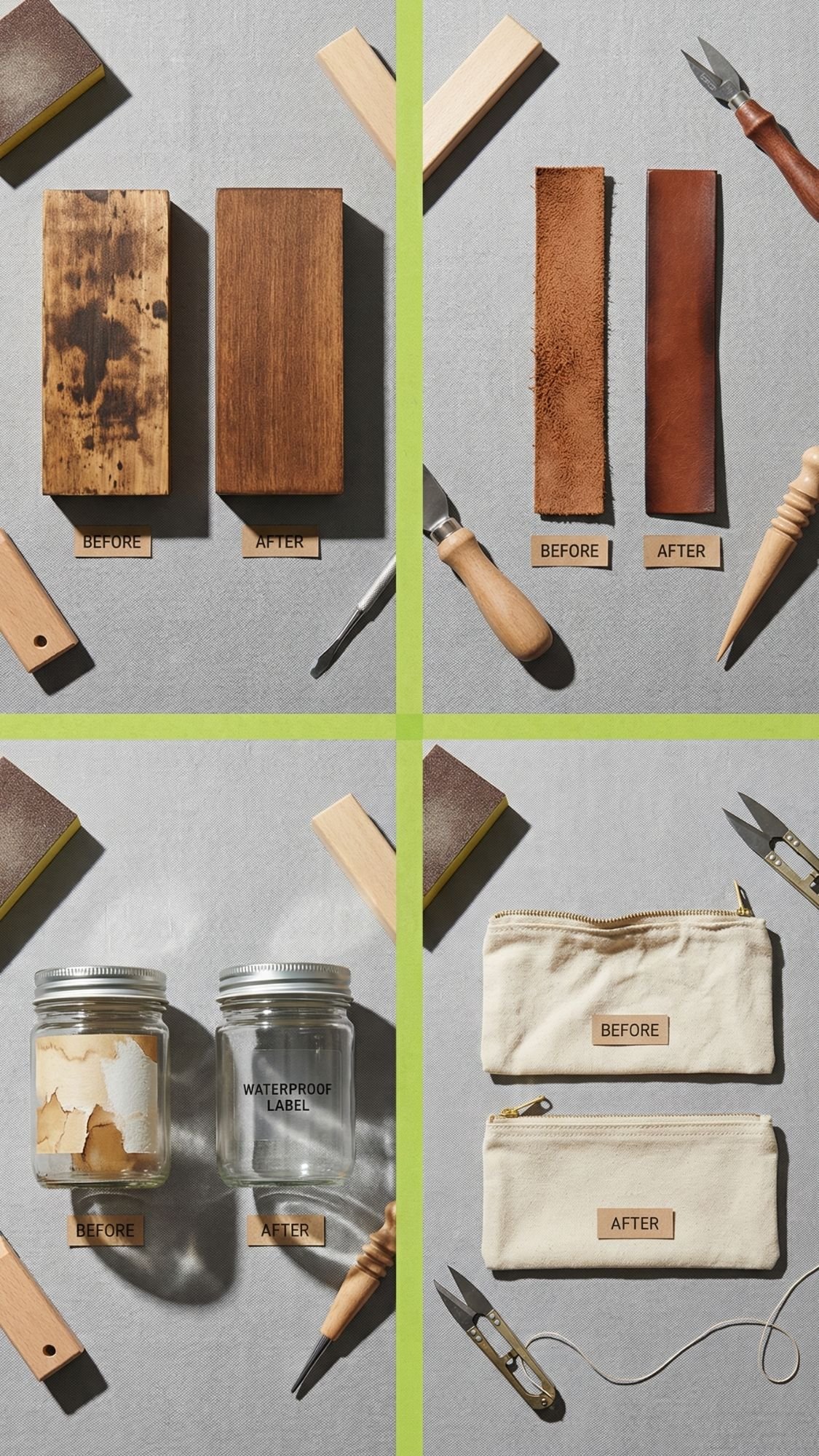
10 Common DIY Gift Problems And Fixes
This is the part that saves your sanity. Because nothing makes you want to throw a project into the sun like paint peeling, labels sliding, or a finish that stays tacky forever. Here are the fixes that actually work, plus how to avoid the same mess next time.
1. Paint Or Finish Peels Off
- Symptom: Paint or clear coat flakes or scratches off easily
- Likely cause: You skipped proper prep, or the surface had oil, dust, or old finish
- Fix: Sand back to a solid surface, clean with rubbing alcohol, recoat in thin layers
- Prevention next time: Always sand and clean before finishing, and use thin coats
2. Wood Stain Looks Blotchy
- Symptom: Dark patches and uneven color, especially on pine or birch
- Likely cause: Soft wood absorbs stain unevenly
- Fix: Sand back, apply pre-stain conditioner, then re-stain
- Prevention next time: Test stain on scrap and use conditioner on blotchy woods
3. Finish Feels Tacky After A Full Day
- Symptom: It feels sticky, fingerprints show, it never fully hardens
- Likely cause: Coats were too thick, humidity was high, or you didn’t give it enough cure time
- Fix: Give it more time in a warm, dry spot with airflow, then scuff-sand lightly and recoat thin
- Prevention next time: Apply thinner coats and respect cure times, not just “feels dry”
4. Vinyl Or Labels Won’t Stick
- Symptom: Edges lift, labels slide, corners peel
- Likely cause: Dust, oil residue, condensation, or low-quality adhesive
- Fix: Clean the surface with rubbing alcohol, dry completely, apply a fresh waterproof label
- Prevention next time: Label only when bottles are fully dry, use waterproof labels, avoid touching adhesive
5. Bubbles Or Wrinkles Under Labels
- Symptom: Lumpy, bubbled labels that look messy
- Likely cause: You applied too fast or the surface wasn’t smooth
- Fix: Peel and reapply if possible, or smooth with a firm card and pressure from center outward
- Prevention next time: Apply slowly, press from center outward, and use a squeegee or card
6. Leather Edges Look Fuzzy Or Cheap
- Symptom: Edges feel rough and look unfinished
- Likely cause: You skipped beveling and burnishing
- Fix: Bevel lightly, sand the edge smooth, burnish with gum or water until it seals
- Prevention next time: Finish edges before final conditioning, and don’t rush burnishing
7. Glue Bond Feels Weak
- Symptom: Parts lift, seams separate, pockets peel up
- Likely cause: Wrong glue type or you didn’t let adhesive set properly
- Fix: Remove loose glue, clean surfaces, use contact cement, press firmly, allow full set time
- Prevention next time: Match glue to material, contact cement for leather and heavy fabric holds best
8. Sewing Looks Crooked Or Puckered
- Symptom: Wavy seams, fabric bunching, zipper ripples
- Likely cause: Tension off, needle too small, pulling fabric while sewing
- Fix: Use a denim needle, adjust tension, stitch slower, seam rip and resew if needed
- Prevention next time: Use clips, stabilize with interfacing, and let the machine feed naturally
9. Wood Splits Near Screws
- Symptom: Cracks appear when you drive screws in
- Likely cause: No pilot hole, screw too large, wood too dry
- Fix: Remove screw, drill pilot hole, re-seat slowly
- Prevention next time: Drill pilot holes every time, especially in hardwood
10. Rough Edges On Wood Or Fabric
- Symptom: Splinters, sharp corners, fraying seams
- Likely cause: You skipped proper sanding or edge finishing
- Fix: Sand to 220, round edges, hem or bind fabric edges
- Prevention next time: Build edge finishing into your process, don’t leave it “for later”
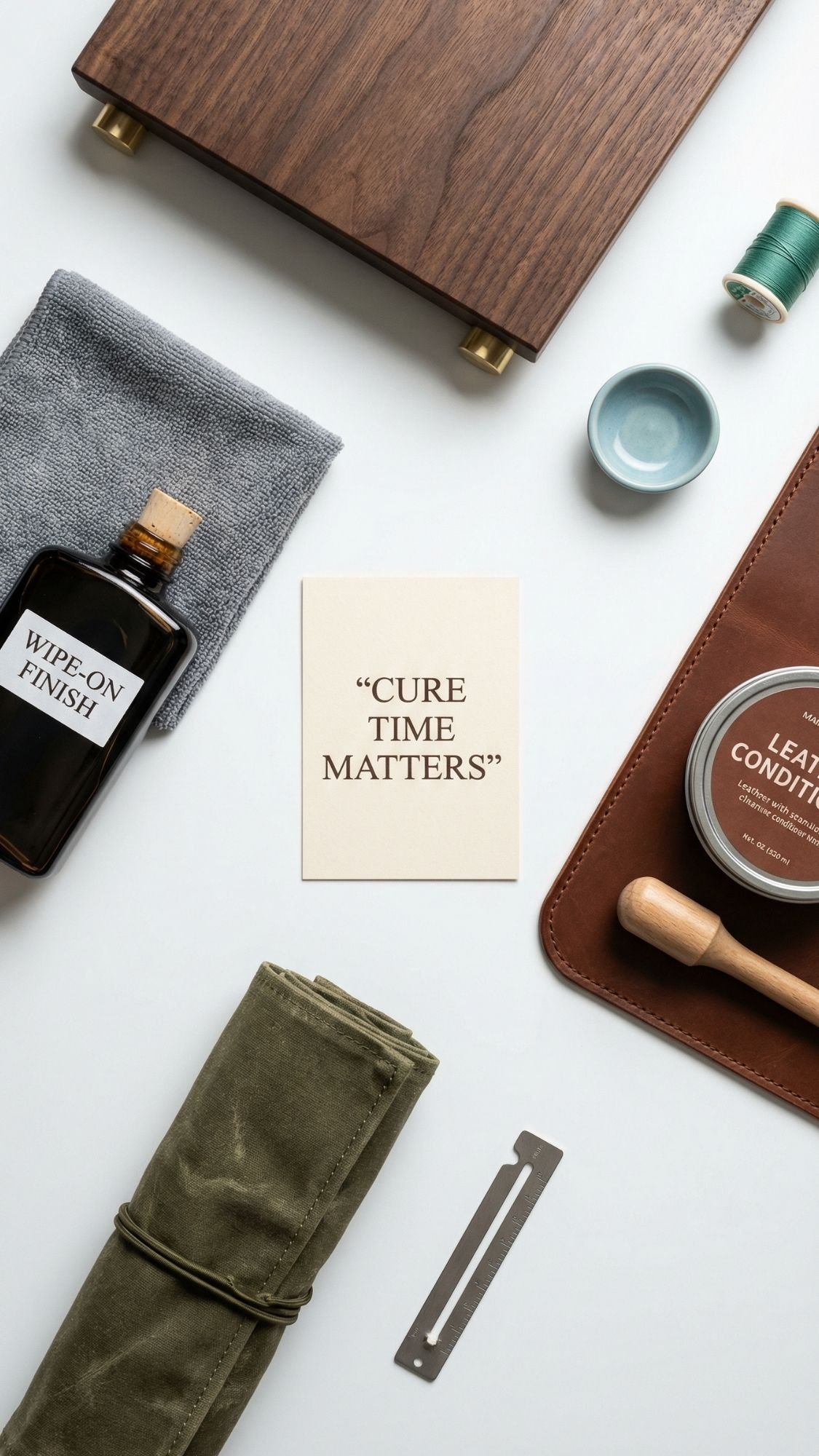
So It Looks Pro And Lasts
This is the part most people rush, then they wonder why the gift looks tired after a week. Finishing isn’t “extra.” Finishing is the difference between “cute project” and “daily driver.”
Dry Time Vs Cure Time (Plain English)
- Dry time means it feels dry when you touch it.
- Cure time means it reaches full strength and stops being dent-prone, tacky, or easily scratched.
- If you wrap it before it cures, you risk fingerprints, sticking, cloudiness, and that weird “why is this still soft” feeling.
Pro Tip
- If your space feels humid, finishes cure slower. Add airflow, keep it warm, and wait. Yes, it’s annoying. No, you can’t bully chemistry.
Wood Gifts: Docking Stations, Stands, Cable Trays, Cutting Boards
Best finishing options
- Wipe-on polyurethane (satin or matte): tough, forgiving, great for desk items
- Hardwax oil: natural look, easy to refresh, great for “quiet luxury” wood vibes
- Food-safe only for cutting boards: mineral oil plus beeswax board butter, no film finishes
How to get a clean, professional finish
- Sand to 220 grit, wipe dust off fully.
- Apply thin coats, wipe drips immediately.
- Let each coat dry fully, then lightly scuff if needed before the next coat.
Care and cleaning
- Desk items: wipe with a damp cloth, don’t soak.
- Cutting boards: hand wash only, dry right away, re-oil when it looks dry.
How long it lasts and how to refresh
- Poly finish: years, refresh with a light scuff-sand and a new thin coat.
- Hardwax oil: refresh anytime it looks dull, wipe on, buff off.
- Cutting board oil: reapply monthly if used often.
Leather Gifts: Valet Trays, Wallets, Notebook Covers
Finish it like a grown-up
- Burnish edges or use edge paint, then condition lightly.
- Avoid over-oiling. Too much oil makes it attract lint and look greasy.
Care
- Wipe with a dry cloth.
- Condition lightly every few months, especially in winter.
How long it lasts and how to refresh
- Full-grain leather ages well. It looks better with use.
- Refresh with a light conditioner and quick edge touch-up if needed.
Fabric Gifts: Tech Pouches, Tool Rolls, Aprons
Finish and reinforce
- Backstitch at stress points.
- Reinforce pocket corners.
- Trim threads cleanly, press seams with a pressing cloth.
Care
- Spot clean waxed canvas, don’t throw it in the washer unless the fabric allows it.
- Wash regular canvas on gentle, then air dry to prevent shrink surprises.
How long it lasts and how to refresh
- Waxed canvas: refresh with wax if it dries out and loses water resistance.
- Regular canvas: re-stitch stress points if needed, it’s normal over time.
Food And Grooming Gifts: Syrups, Hot Sauce, Beard Oil, Balm
Finish like it’s a real product
- Sterilize or thoroughly clean containers.
- Cool completely before bottling to avoid condensation.
- Label with flavor, date, storage.
Care
- Refrigerate syrups and sauces unless you follow a tested canning method.
- Store oils away from light and heat.
How long it lasts and how to refresh
- Syrups and sauces vary based on storage and cleanliness. If it smells off or looks weird, toss it.
- Beard oil lasts longer in amber bottles and cool storage.
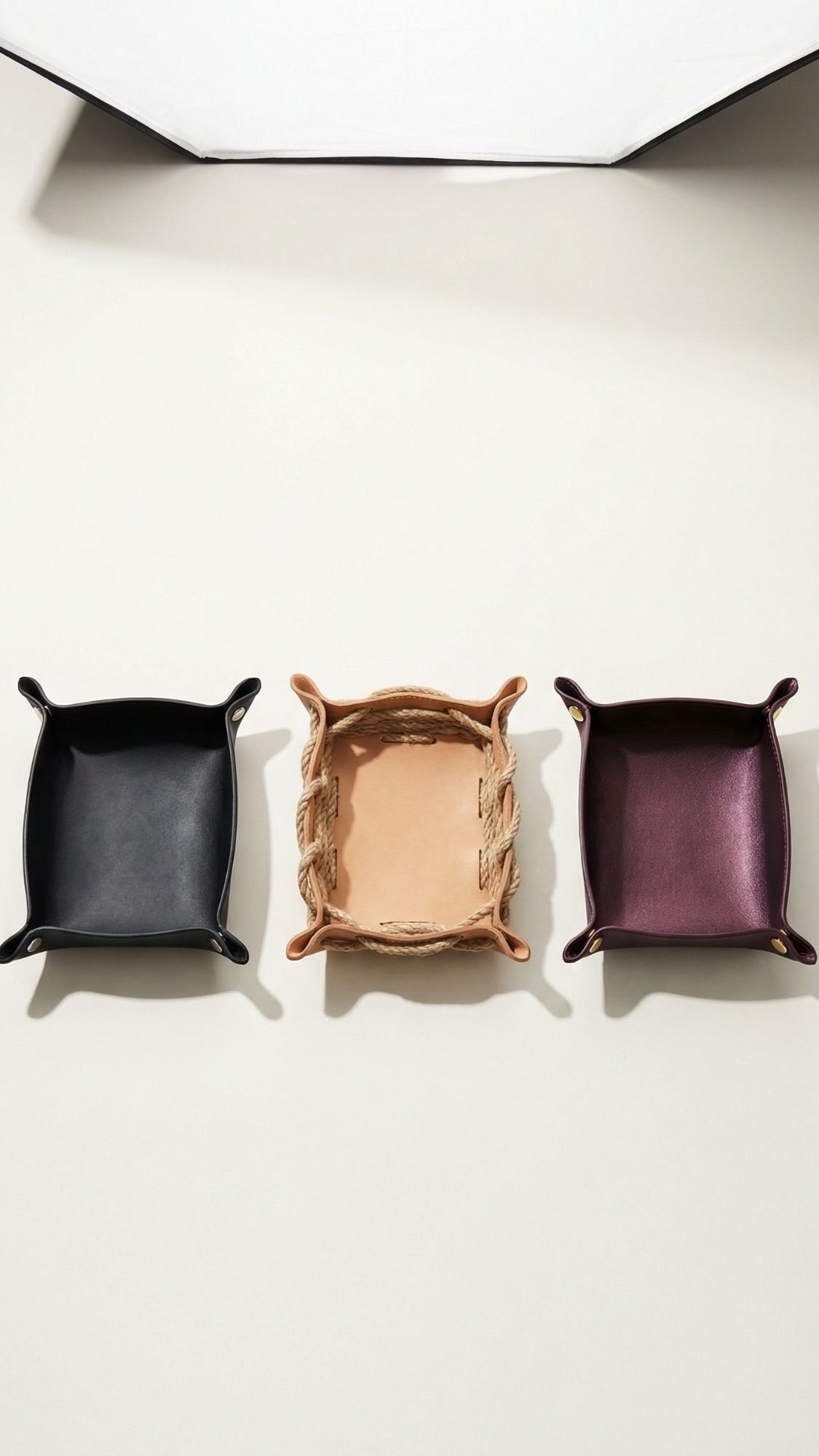
3 Variations That Change The Whole Vibe
You can make the exact same gift idea feel totally different just by swapping style, color, or materials. This is also how you make it feel tailored to him, not like you grabbed the first DIY idea you saw and hoped for the best. Ready?
Variation 1: Style Swaps
- Modern: matte black hardware, clean edges, minimal labels, straight lines
- Boho: warm tan leather, natural cord ties, textured fabrics, softer shapes
- Farmhouse: light woods, simple typography labels, neutral canvas, sturdy and classic
- Glam: deep tones like Plum Noir, a subtle metallic accent, extra-clean finishing
Variation 2: Color Palette Ideas (Pinterest-Current, Not Random)
Pick one main neutral, then one accent color.
- Cloud Dancer white + Cool Blue (clean and modern)
- Dark walnut + Jade (quiet luxury but still interesting)
- Charcoal + Persimmon (bold without being loud)
- Warm tan leather + Wasabi (earthy with a pop)
Keep the accent color consistent across packaging too, like ribbon, tags, or labels.
Variation 3: Personalization Options That Don’t Feel Cheesy
- Coordinates instead of full sentences
- Initials inside a wallet or notebook cover, not huge on the front
- Tiny phrase only you two understand, like “OUR SPOT”
- Theme personalization: gym kit labeled with his initials, snack box labeled by category
- Material upgrades: full-grain leather, walnut instead of pine, brass instead of shiny chrome
- Functional upgrades: cork feet, zipper pull tabs, elastic loops, cable labels
Pro Tip
- Personalization looks best when it’s subtle and consistent. One detail in the right place beats five details everywhere.
FAQ
1. What are the most useful handmade gifts for a boyfriend?
The most useful handmade gifts solve a daily problem. Think valet trays, tech pouches, docking stations, wallets, grooming kits, and practical food gifts like syrups or spice rubs. If he can use it without changing his routine, it’s a winner.
2. What DIY gift can I make in one hour for him?
Make a paracord keychain, hand-stamped keyring, beard oil bottle, spice rub jar set, or refillable car air freshener. Keep it simple, finish it neatly, and don’t rush labeling.
3. What handmade gifts do men actually keep and use?
Men keep gifts that feel durable and practical, like desk organization, car kits, grooming basics, and rugged canvas or leather items. They stop using things that feel fragile, overly decorated, or hard to maintain.
4. What’s a good handmade gift for a boyfriend who has everything?
Go for an upgrade he won’t buy himself, like a leather desk mat, wood docking station, premium tool roll, or a curated kit (car detailing tote, cold brew starter kit, gym pouch). “Everything” guys still love convenience.
5. How do I make a handmade gift look professional?
Focus on the last 10 percent:
- Straight cuts and clean seams
- Finished edges on leather and wood
- Thin, even coats of finish
- Clean labels and aligned hardware
- A neat finish always reads more expensive than extra decoration.
6. What’s the best finish for a wooden gift that gets daily use?
For desk items, a wipe-on polyurethane or hardwax oil holds up well. For cutting boards, stick to food-safe mineral oil and beeswax board butter. Don’t use film finishes on food-contact boards.
7. How do I keep labels from peeling off DIY bottles and jars?
Clean the surface first. Wipe bottles with rubbing alcohol, let them dry fully, then apply waterproof labels. Avoid labeling warm bottles, condensation ruins adhesion.
8. What’s a safe homemade grooming gift for sensitive skin?
Keep formulas simple and gentle. Use skin-friendly carrier oils, go very light on fragrance, and suggest a patch test. If he reacts easily, avoid complex essential oil blends and stick to mild scent or unscented.
9. How do I personalize a gift without making it cheesy?
Use subtle personalization:
- Coordinates
- Initials inside a wallet or cover
- A short phrase only you two get
- Avoid long messages on the outside. Subtle feels more premium.
10. How do I package handmade gifts so they look expensive?
Use consistent packaging:
- One accent color, repeated 2 to 3 times
- Neutral wrapping, clean label placement
- Minimal tags with clear instructions
- A small box, kraft paper, or cloth pouch beats busy ribbon chaos.
11. How long should I wait before gifting a finished project?
For wood finishes and some adhesives, you should wait through cure time, not just dry time. If the finish feels soft, fingerprints easily, or smells strongly, give it more time. Dry can happen fast, cure takes longer.
12. What’s the easiest way to choose the right DIY gift for him?
Pick one daily habit and solve one small problem. Keys everywhere? Valet tray. Cables everywhere? Tech pouch. Coffee daily? Syrup trio or cold brew kit. The more “automatic” the use, the more he’ll love it.
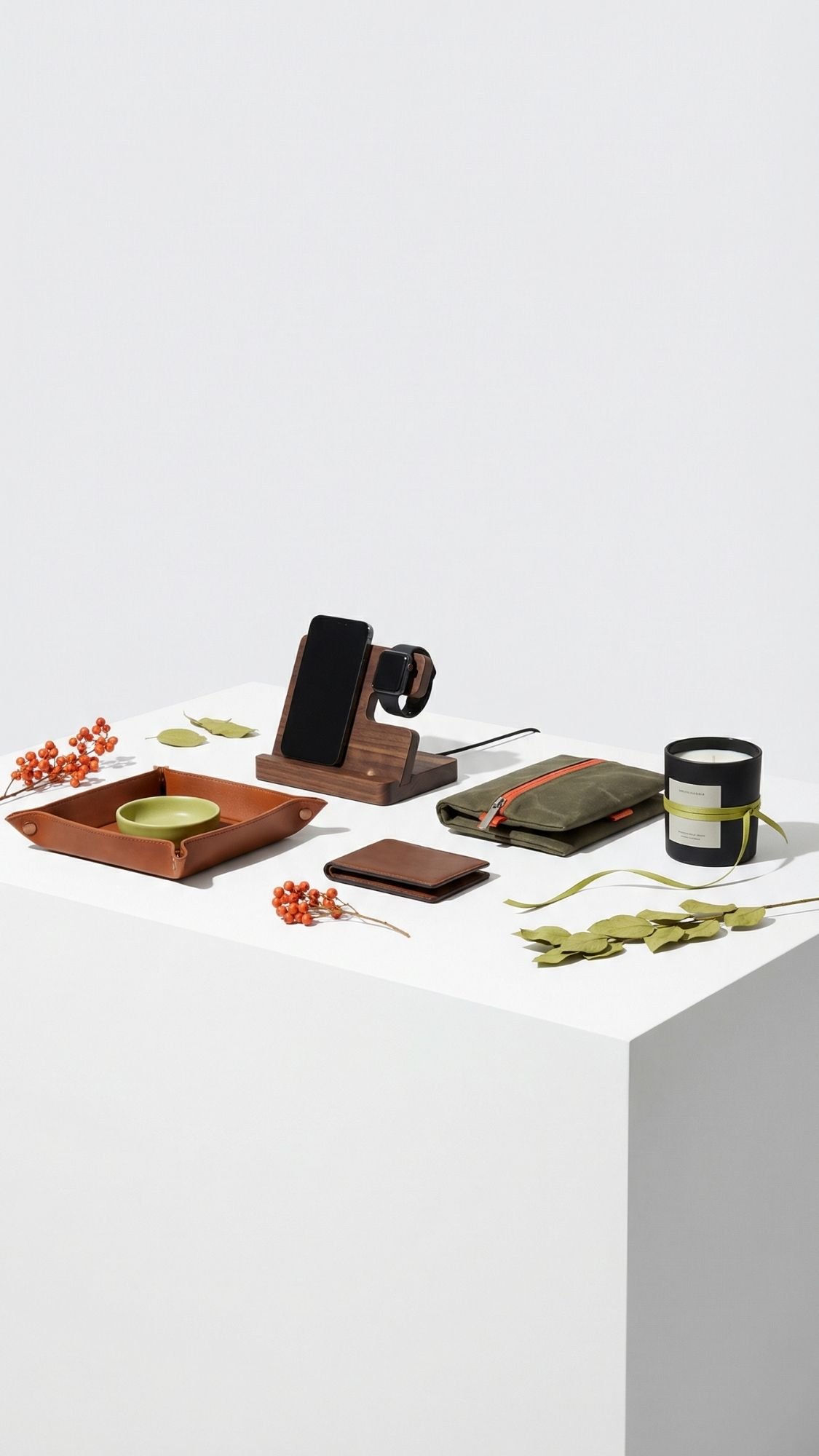
Make It Useful, Make It Durable, Make It Him
If you take one thing from this whole list, let it be this. The best handmade gift for your boyfriend solves a tiny daily problem. Keys everywhere? Give them a home. Cables everywhere? Contain the chaos. Morning coffee ritual? Upgrade it. When the gift fits into what he already does, he’ll use it without even thinking, which is exactly what you want.
Also, don’t let the “finish” step be the part you skip because you’re tired and you want to wrap it. Finishing is the part that makes the gift feel legit in his hands. Thin coats, clean edges, strong seams, and labels that stay put. That’s the difference between “aw thanks” and “wait, this is actually perfect.”
So pick one idea that matches his routine this week and commit to doing it clean. Then snap your photos, add your short video clip, and call it done. Your future self will thank you, and he’ll probably ask you to make another one. That’s when you know you nailed it.

Pingback: 22 DIY Presents Kids Can Make For Mom With Ease
Pingback: 23 DIY Presents For Grandma That Are Sweet And Simple