
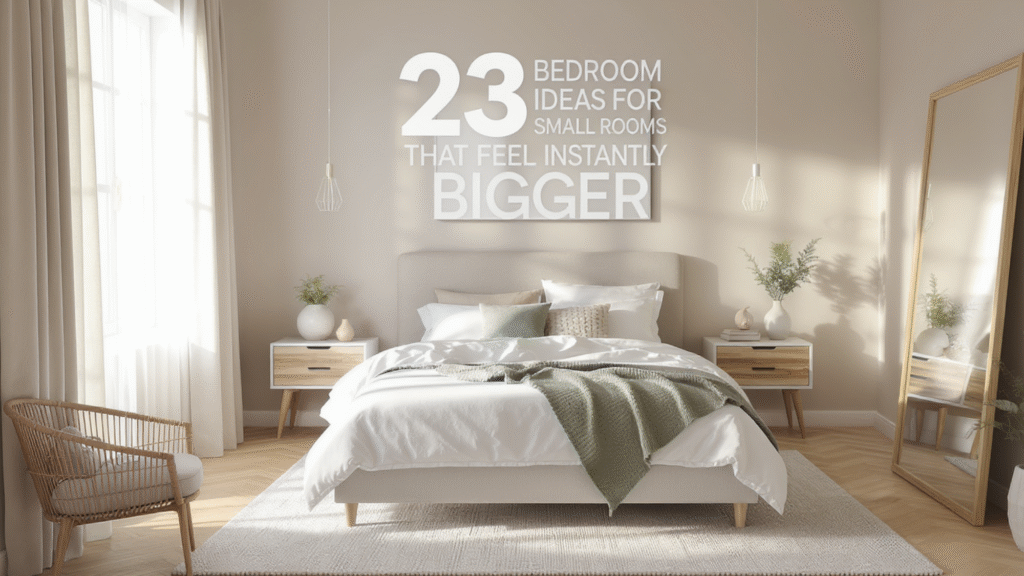
Disclosure: This post contains affiliate links. As an Amazon Associate I earn from qualifying purchases. If you buy through my links, I may earn a small commission at no extra cost to you. Thanks for supporting my cozy-obsession.
You walk into your bedroom, bump into the bed frame, side-step the laundry basket, and stare at a nightstand that barely fits your phone and a glass of water. Sounds familiar?
Small bedrooms can feel cozy and cute or cramped and chaotic, and the difference usually comes down to a few smart design decisions, not a full remodel or a giant budget. You don’t need more square footage. You need better small bedroom ideas that make the room feel instantly bigger.
I tested a ton of layout tweaks, color tricks, storage upgrades, and styling hacks that actually help tiny bedrooms feel lighter, calmer, and more spacious. Some changes take an afternoon (hello, curtains and mirrors), and some take a weekend, but every single one earns its keep in a small room.
By the end of this post, you’ll have 23 bedroom ideas for small rooms that feel instantly bigger—the kind you actually save, not the kind you scroll past and forget. You’ll see how to use color, light, storage, and furniture choices to stretch your space visually, without turning your room into a sterile hotel or a cluttered storage unit.
So, ready to turn your “bed and one awkward path around it” layout into a bedroom that feels bigger, brighter, and way more you? Let’s start with the foundation: your color palette.
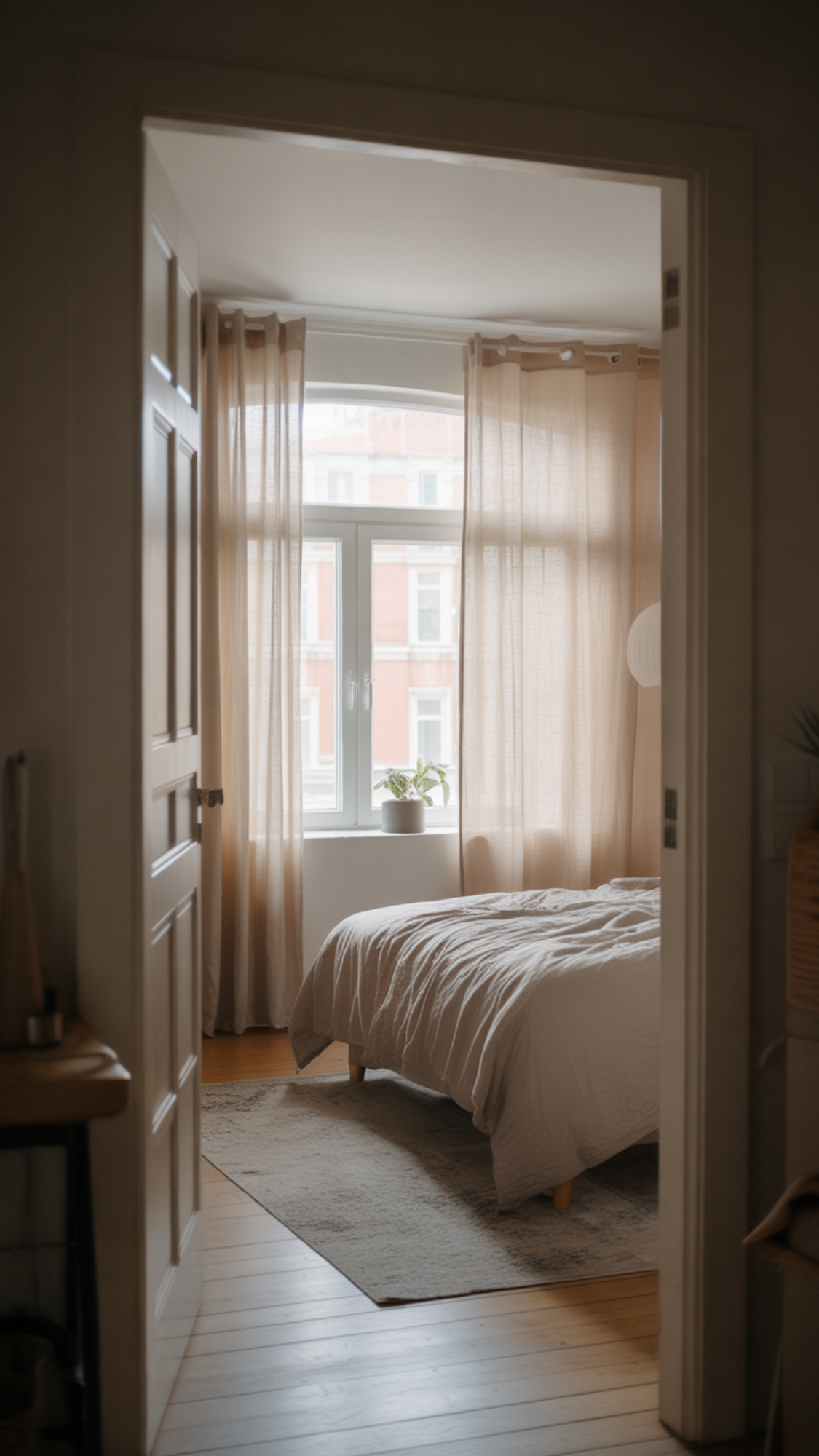
1. Go All In on a Light, Airy Base Color Palette
When you want bedroom ideas for small rooms that feel instantly bigger, your color palette carries most of the workload. A light, airy base instantly makes the walls feel farther away and the room feel calmer.
Start with light, low-contrast colors
- Choose soft whites, warm creams, pale greige, light taupe, or misty pastels.
- Keep your walls, bedding, curtains, and big furniture pieces in the same light family.
- Let the room feel like one continuous, soft backdrop instead of a patchwork of strong colors.
- Ask yourself: “Does this color calm the room down or clutter it up visually?”
Add one anchor shade so the room doesn’t feel flat
- Pick one slightly deeper color: charcoal, mocha, deeper wood, or muted olive.
- Use that deeper tone on one main item like the headboard, a nightstand, or a rug border.
- Let that single darker element ground the room so it feels intentional, not washed out.
Use texture instead of more color
- Layer linen, boucle, chunky knit throws, woven baskets, and soft rugs.
- Stick to your light palette but vary the texture and weave so the space feels cozy, not bland.
- Treat every new decor piece like an audition: if it adds visual calm, it stays; if it adds noise, it goes.
Avoid heavy prints and harsh contrast
- Skip super busy patterns on duvets, curtains, and large rugs in a tiny room.
- If you really love a pattern, keep it small-scale and in soft, low-contrast colors.
- Remember, strong contrast looks dramatic in big rooms but often feels chaotic in small ones.
Think of your palette as a filter
- Use your light, airy base as a filter for everything you bring in.
- When you consider a new piece, ask: “Does this work with my calm base or fight it?”
- This one decision already pushes your small bedroom toward that spacious, “ahh” feeling you want.


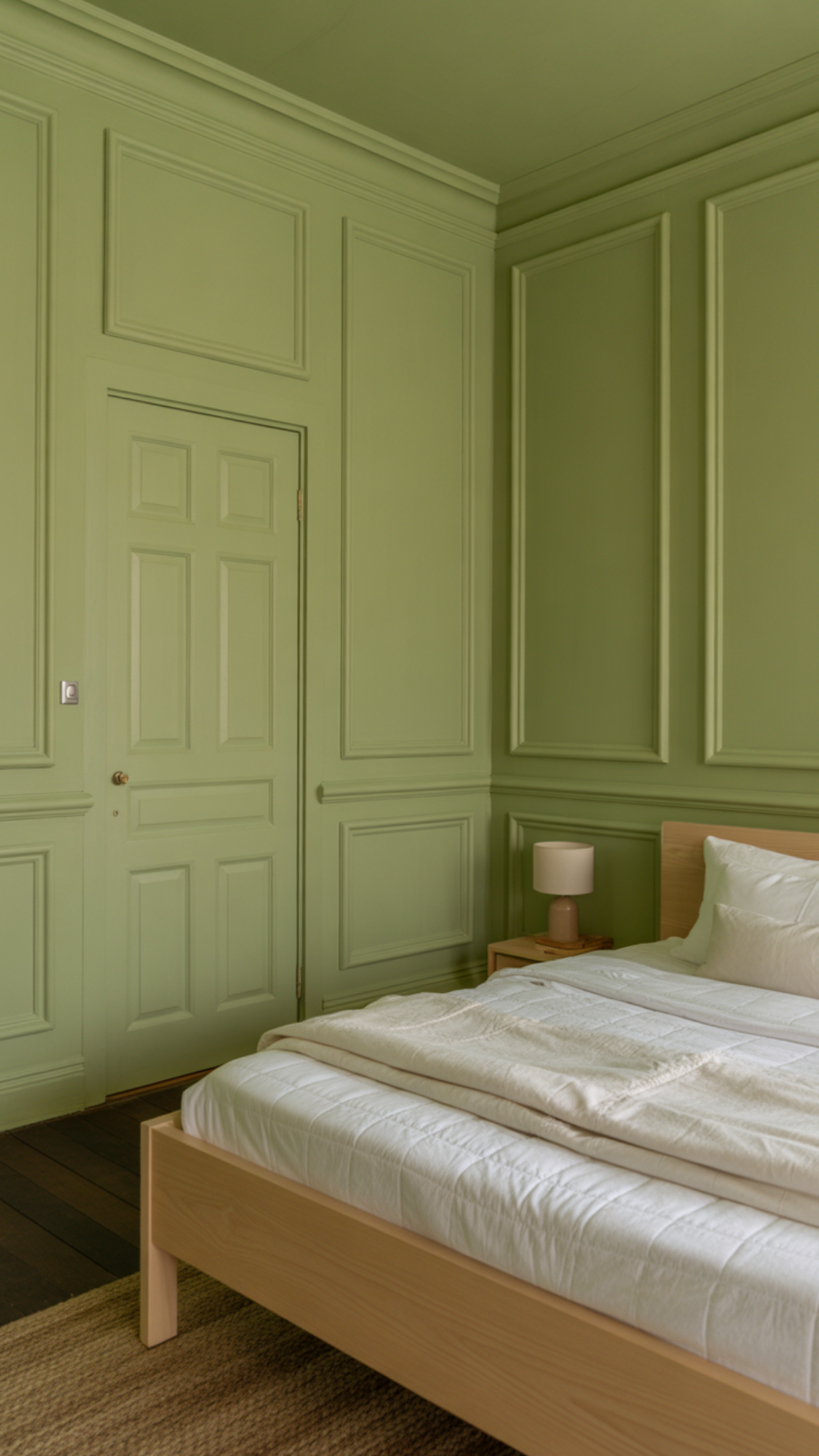
2. Try Soft Color Drenching So the Room Feels Taller, Not Smaller
Ever walk into a bedroom and it just feels calm and expensive, even though nothing wild happens decor-wise? That’s usually color drenching quietly doing the most.
Instead of mixing five paint shades in one tiny room, you wrap the space in one soft color (or one main hue with tiny variations). In a small bedroom, that trick makes the walls feel taller, smoother, and less choppy.
What “soft color drenching” actually looks like
- You paint walls, trim, doors, and maybe even the radiator in the same soft shade.
- You keep everything in the same color family instead of bright white trim against deeper walls.
- You let the color act like a cozy backdrop, not a loud statement.
Great shades for a small bedroom:
- Pistachio or sage green for a calm, on-trend, nature-inspired vibe.
- Muted blue-gray for a serene, “spa but make it bedroom” feel.
- Soft greige or mushroom if you want something elevated and super neutral.
- Dusty blush or rose-beige if you like warmth without it turning bubblegum.
How this makes your small room feel bigger
- Fewer visual breaks = your eye glides around the room instead of stopping at every white trim line.
- Trim and doors blend in, so you don’t chop up already-limited wall space.
- The room feels taller and more pulled together, not like a patchwork of random whites and colors.
- The color wraps the room in a way that feels intentional and designer, not busy.
Keep the balance with lighter textiles
You still want the room to feel airy, not cave-like, right? So you:
- Pair your drenched walls with light bedding (white, cream, or soft beige).
- Choose neutral curtains that either match the walls or sit a touch lighter.
- Keep big pieces (like rugs and dressers) in light wood or soft neutrals.
- Let pillows and throws echo your wall color in slightly lighter or darker versions for depth.
Avoid these easy mistakes
- Choosing a color that feels too dark or saturated in a small room. (Test a sample first, always.)
- Adding too many contrasting decor colors that fight your main shade.
- Leaving the trim stark white while drenching the walls, which kills the seamless effect.
Quick way to test this look
- Paint one wall + the door and trim in a soft shade first.
- Bring in light bedding and a neutral rug to see how the color plays.
- If you love the cozy, seamless vibe, commit and wrap the rest of the room.
You basically give your small bedroom the “boutique hotel filter” without changing the layout. Not bad for a couple of paint cans.



3. Hang Curtains from Ceiling to Floor (Even If the Window Is Tiny)
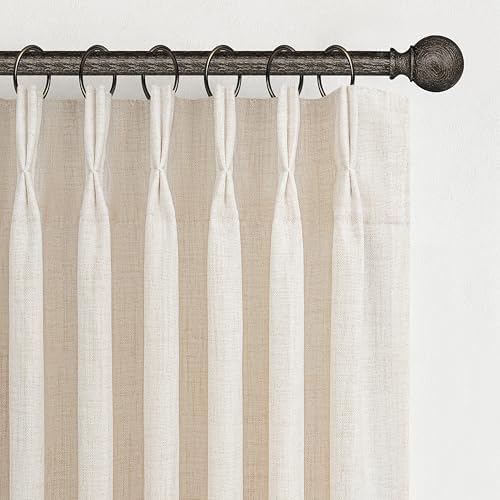
If you want instant height in a small bedroom, you play with where the eye goes. Curtains help you do that fast. Most people hang them just above the window and accidentally shorten the wall. You do the opposite and suddenly the whole room feels taller and more polished.
Hang your rod as high as you can
- Mount the curtain rod as close to the ceiling as possible, not just above the window frame.
- Let the curtains kiss or barely break on the floor so the line feels long and elegant.
- Choose a rod that feels slim and simple so it doesn’t overpower the wall.
- Ask yourself: “Does this setup pull the eye up or cut the wall in half?” If it cuts, you raise it.
Go wider than the window
- Extend the rod a few inches past each side of the window.
- Stack the curtains off the glass so you keep as much natural light as possible.
- Use this trick to make narrow or awkward windows look bigger than they actually are.
- You create the illusion of a larger window and a wider wall, which makes the whole bedroom feel bigger.
Pick fabrics that feel light, not heavy
- Choose sheers, linen, or linen-look panels in light neutrals (white, cream, oatmeal).
- Match or stay close to your wall color for a soft, seamless look.
- Avoid super shiny, stiff, or heavy fabrics that make the room feel formal and crowded.
- Let the fabric move and puddle softly so the space feels relaxed and cozy.
Hide the “practical” stuff behind them
- Layer simple blinds or shades behind your curtains for privacy and light control.
- Keep the blinds clean and minimal so they don’t fight the curtain style.
- Close blinds when you need function; close curtains when you want mood and softness.
- This combo gives you function + pretty in one small footprint.
Why this matters so much in a small room
- You draw the eye up and out, which instantly makes the room feel taller and wider.
- You soften hard edges around the window and add texture without adding clutter.
- You get more natural light into the room, which always makes small bedrooms look larger.
- You upgrade your space from “basic rental window” to intentional, saved-on-Pinterest bedroom with one trick.


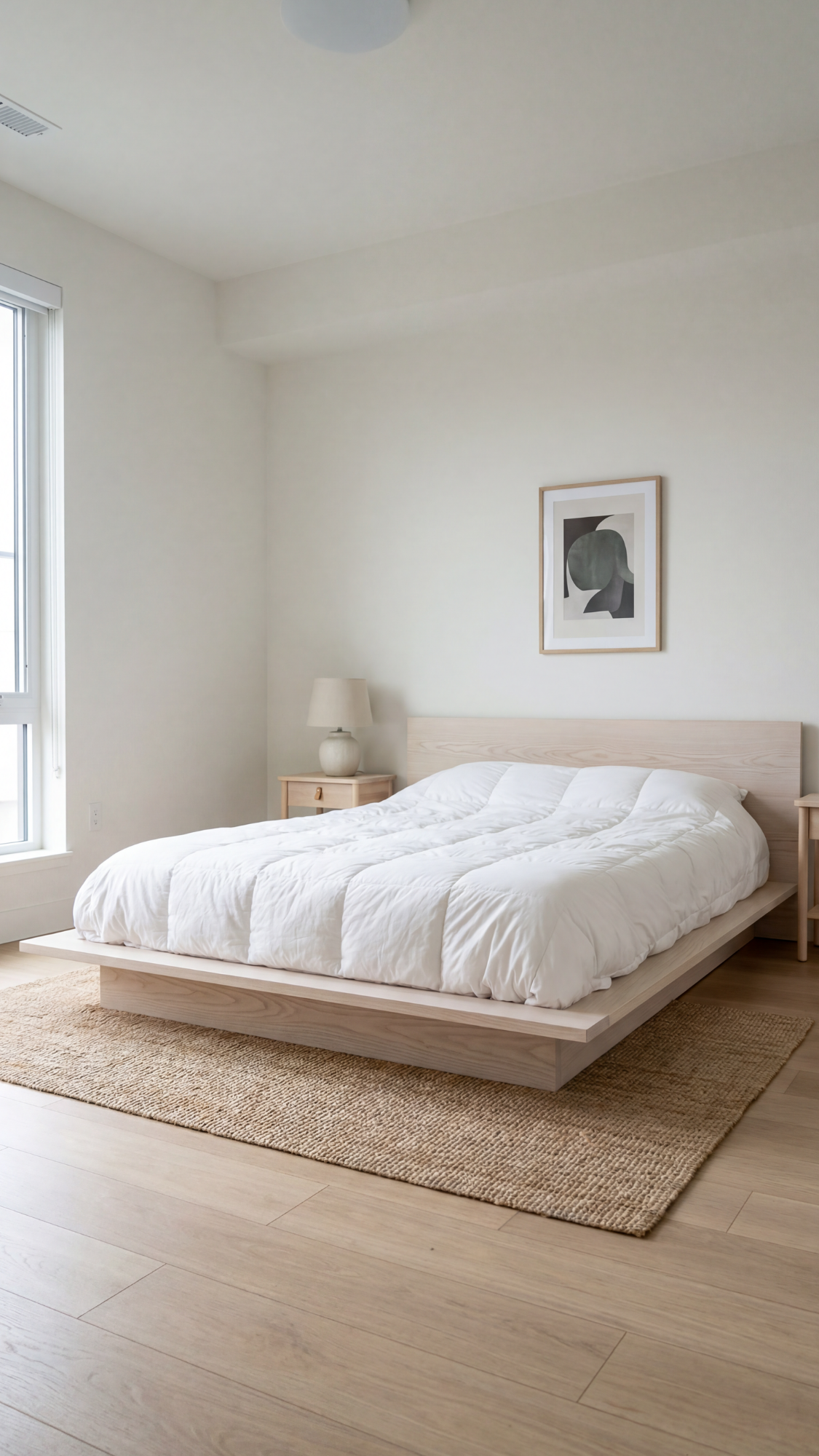
4. Swap the Bulky Bed for a Low-Profile or Platform Frame
If your bed feels huge, your room will always feel small. The bed usually takes the most space, so you get the biggest payoff when you slim that piece down first.
Why a low-profile bed helps your room feel bigger
- A low-profile or platform frame sits closer to the floor and shows more wall above it.
- Extra visible wall tricks your brain into reading the room as taller and more open.
- The bed feels like it floats in the space instead of dominating every angle.
- You avoid the “giant mattress in a shoebox” vibe that heavy frames create.
What to look for in a small-room bed frame
- Choose a simple frame with clean lines and no chunky footboard.
- Pick a design with visible legs so you see floor underneath instead of a solid block.
- Stick with light wood, white, or soft neutral tones so the frame blends with your airy palette.
- Keep the headboard slim: think upholstered panel, cane, or narrow wood slat, not oversized tufted throne.
Pair it with smaller, lighter side pieces
- Go for slim nightstands or tiny side tables instead of full chests.
- Use floating shelves as nightstands when floor space feels tight.
- Keep what sits on the nightstand very edited: lamp, book, maybe one candle.
- Let the floor around the bed stay as open and visible as possible.
Bonus: coordinate height with your mattress
- Make sure the overall bed height (frame + mattress) still feels comfortable to sit on.
- Aim for a height where you can sit and place your feet flat on the floor easily.
- Avoid stacking super thick mattresses and toppers on a low frame, or you undo the effect.
- When the bed feels sleek and right-sized, the whole space reads as intentional, not cramped.
Quick check: does your bed shrink the room?
- Stand in the doorway and ask: “Does the bed feel like it eats the room or frames it?”
- If you only see mattress and bulky frame, a low-profile bed probably becomes your best upgrade.
- Among bedroom ideas for small rooms that feel instantly bigger, this one can change the entire silhouette of your space in one swap.


5. Upgrade to a Storage Bed So Your Closet Can Breathe
If your small bedroom feels crowded, your stuff probably takes up more space than your walls. Instead of fighting for another dresser you can’t fit, you make the bed work harder for you with a storage bed.
Let the bed earn its floor space
- Choose a storage bed with drawers or a lift-up platform.
- Use those drawers for off-season clothes, spare bedding, extra pillows, and bulky sweaters.
- Treat the bed as a built-in closet on wheels instead of “just somewhere to sleep.”
- When you tuck all that bulk under the bed, the rest of the room suddenly feels lighter and emptier (in a good way).
What to store under the bed (and what to avoid)
Great under-bed candidates:
- Off-season clothing in folded stacks or packing cubes
- Extra duvets, pillows, and blankets in vacuum bags
- Spare sets of sheets and pillowcases
- Shoes you don’t wear every day, in labeled boxes
Skip under-bed storage for:
- Daily essentials you need to grab fast
- Anything messy or loose that turns the space into a black hole
- Random “I don’t know where this goes” clutter (you create a junk drawer on wheels if you do that)
Make it look sleek, not like a college hack
- Pick a bed design that hides the storage behind clean drawer fronts or a solid base.
- Stick with wood tones, white, or soft neutrals so the bed still matches your airy palette.
- Avoid visible plastic bins unless you tuck them behind a bed skirt or tailored fabric panel.
- Keep handles slim and simple so the base still reads as calm and streamlined.
Free up the rest of the room
- When you move bulky items under the bed, you can:
- Downsize your dresser or swap it for a slim chest.
- Use one side of the bed for a mini dresser instead of a second nightstand.
- Keep more floor space open so the room feels bigger at a glance.
- You create breathing room in the closet, which instantly makes everyday life easier.
Quick sanity check
- Ask yourself: “If my bed takes this much space, does it actually give me storage back?”
- If the answer is no, a storage bed jumps to the top of your list of bedroom ideas for small rooms that feel instantly bigger.
- You don’t just hide clutter; you organize it in a way that supports the layout and makes the room feel calmer.


6. Turn the Wall Behind Your Bed into a “Headboard Wall”
If your bed just hangs out on a blank wall, you miss a huge chance to make your small bedroom look bigger and more designed. The wall behind your bed already grabs the most attention, so you might as well make it do some work.
Turn one wall into a focused feature
- Choose the bed wall as your feature wall in a small room.
- Let that wall carry the color, texture, and structure so the rest of the room stays calm.
- This gives your eye one clear focal point instead of random decor scattered everywhere.
- When your eye knows where to land, the room instantly feels more intentional and less cluttered.
Use paint, slats, or panels to “frame” the bed
You don’t need crazy construction. Simple moves change a lot:
- Paint one wide rectangle or arch behind the bed in a soft contrast shade.
- Install vertical wood slats or narrow panels from the floor up to the ceiling.
- Use wallpaper only behind the bed so pattern stays focused, not chaotic.
- Let the feature area be wider than the bed, so the wall feels bigger, not smaller.
Mount your lighting to save surface space
Tiny nightstands + big lamps = chaos. Swap that:
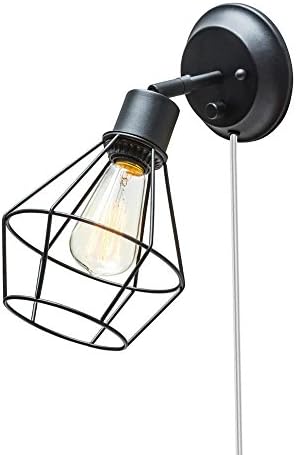
- Add wall sconces or plug-in lights on the feature wall.
- Leave your nightstands free for just the essentials: a book, a glass, maybe one candle.
- Use slim fixtures so they look light, not bulky.
- You gain visual space and actual usable space at the same time.
Keep decor tight and elevated
- Hang one larger art piece centered above the headboard or a tight row of two or three.
- Stay within your main color palette so the wall feels connected to the rest of the room.
- Avoid tiny, scattered decor that makes the wall feel busy and bitty.
- Think “calm statement,” not “gallery of everything I own.”
Why this makes your small room feel bigger
- A strong headboard wall anchors the bed, so the room feels styled instead of random.
- Lighting and decor move up onto the wall, which frees surfaces and floor space.
- The feature draws your eye vertically and horizontally, making the room feel wider and taller.
- Among bedroom ideas for small rooms that feel instantly bigger, this one gives serious “designer” energy without a full reno.

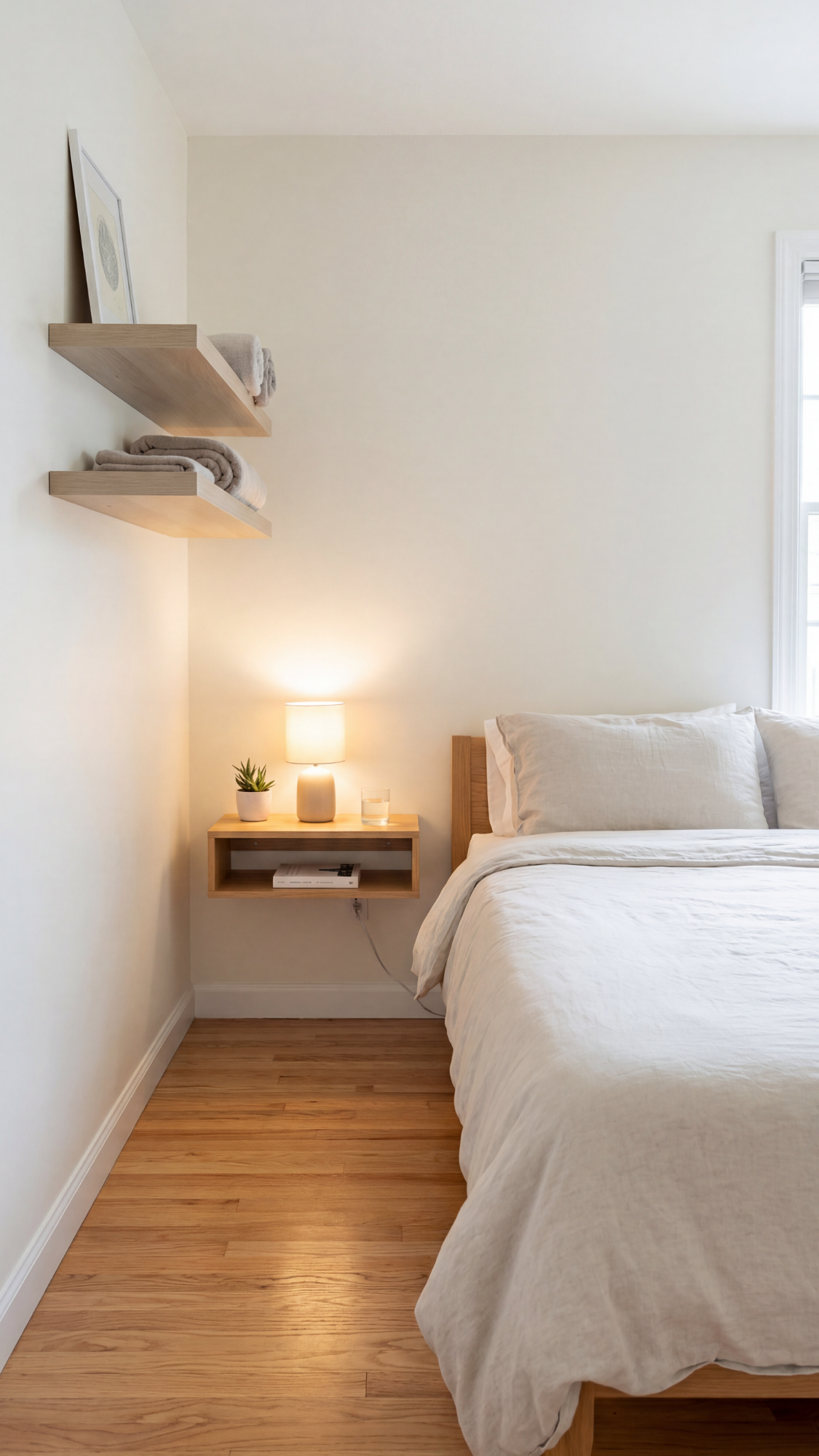
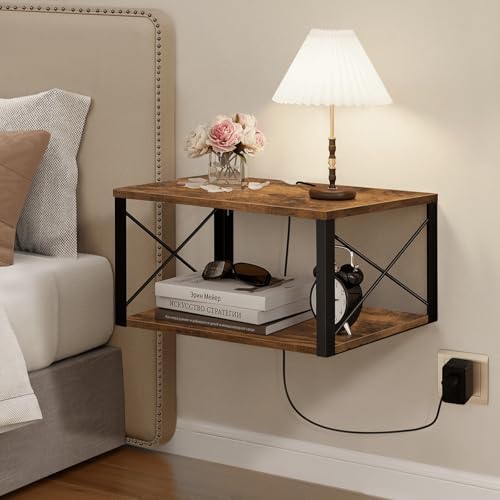
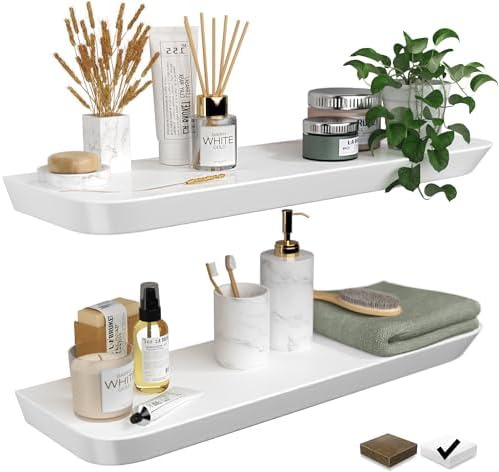
7. Float Shelves and Nightstands to Free Up Floor Space
When you decorate a small bedroom, the floor space you can see matters almost as much as the actual square footage. The more floor you reveal, the bigger and lighter the room feels. Floating nightstands and shelves help you do that without losing storage.
Why floating pieces make a tiny room feel bigger
- Floating shelves and nightstands lift visual weight off the floor.
- You see more of the rug and flooring, so the room reads as more open and airy.
- Cleaning feels easier because you don’t drag a vacuum around a forest of legs.
- The whole room looks more modern and intentional, not accidental or cluttered.
Turn one shelf into a smart nightstand
- Mount a single sturdy shelf beside the bed at about mattress height.
- Choose a depth that fits a small lamp, a book, and a glass of water—nothing extra.
- Match the shelf color to your wall or bed frame so it blends in.
- Route or clip cords neatly so you keep the floating illusion clean.
Add extra storage higher up, not out
- Install a pair of floating shelves above the nightstand area or dresser.
- Store books, candles, and decor up there instead of on every flat surface.
- Keep heavy or bulky items lower and closer to the wall, not sticking out toward the bed.
- Use matching or coordinating shelves so the wall feels organized, not random.
Keep your styling tight and minimal
- Limit each shelf or floating nightstand to 2–3 items max.
- Prioritize pieces that look good and earn their keep: lamp, book, small plant, or a tiny dish.
- Avoid crowding shelves with lots of small trinkets that make the wall feel busy.
- Treat your floating setup like a curated corner, not a storage emergency.
Quick “walk-in” test
- Stand in your doorway and check: “Do I see clear floor and clean lines, or a lot of heavy furniture?”
- If bulky nightstands and side tables eat the floor, floating shelves jump to the top of your small bedroom ideas list.
- When you free the floor, your bedroom instantly feels lighter, bigger, and easier to move around in.

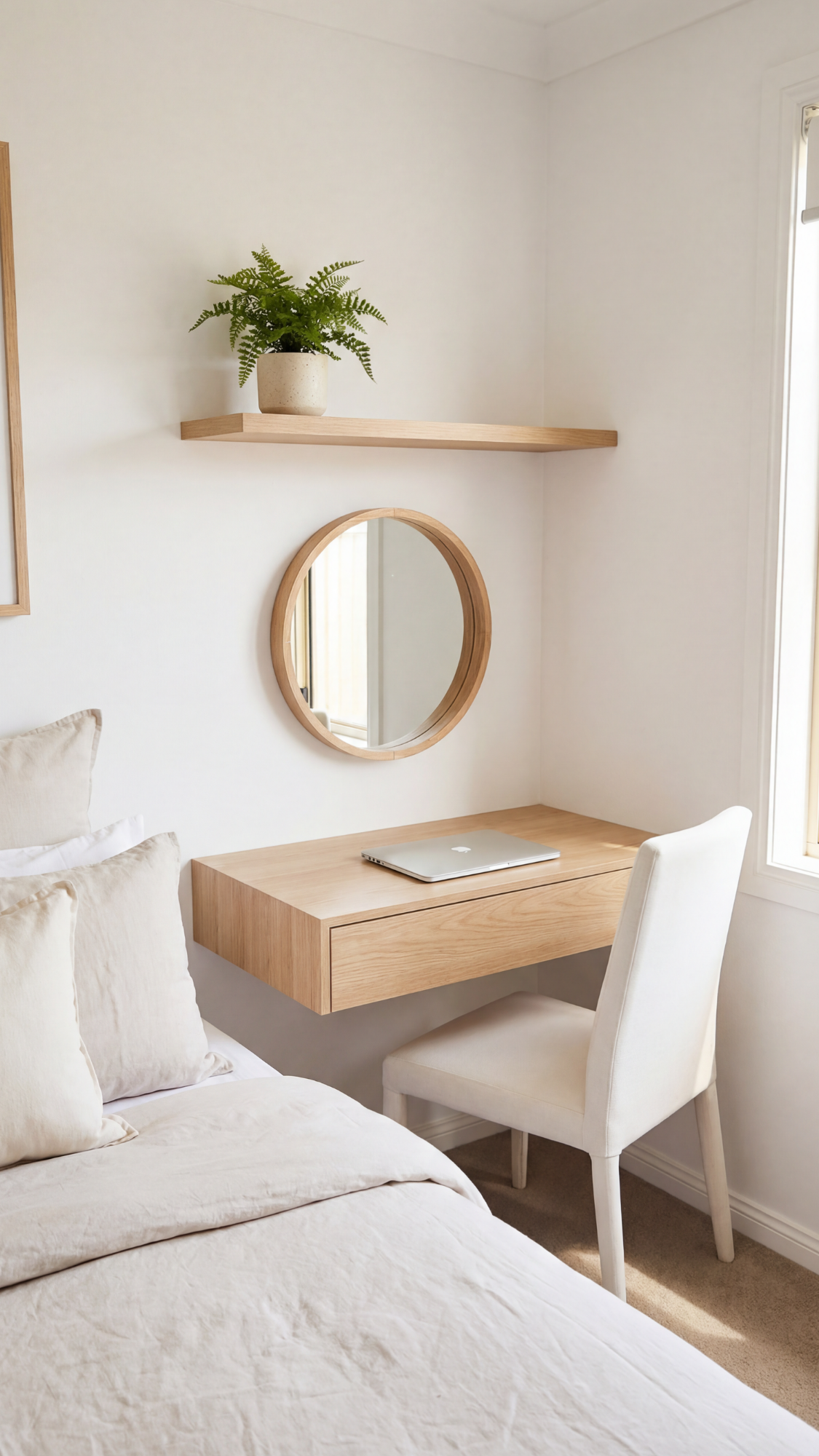
8. Build a “Floating” Desk or Vanity Nook in a Spare Corner
Small bedrooms still need real-life things like laptops, makeup, and a spot to toss your to-do list. A full desk often eats half the room, though. That’s where a “floating” desk or vanity nook saves the day. You tuck it into a corner and keep the footprint tiny, but it adds function without shrinking the room.
Create a slim wall-mounted work surface
- Mount a shallow wall shelf or desktop at desk or vanity height.
- Aim for just enough depth for a closed laptop, mirror, or makeup organizer.
- Keep the edges clean and simple so the piece feels like part of the wall, not a bulky add-on.
- Match the surface to your wall color or bed frame so it blends right in.
Pair it with a stool or chair that disappears
- Choose a slim chair or stool that tucks fully under the desk when you don’t use it.
- Look for open legs and a light frame so the piece doesn’t visually crowd the corner.
- Use a simple cushion or seat pad instead of a giant upholstered chair.
- If space feels extra tight, go for a backless stool you slide out of the way.
Style it as a desk and vanity in one
- Add a small mirror or leaning mirror above for a built-in vanity feel.
- Keep only one or two pretty containers on the surface: a pen cup, brush holder, or acrylic tray.
- Use a tiny table lamp or wall sconce instead of a big lamp base that hogs space.
- Hide cords with clips or channels so the nook stays clean and streamlined.
Let this nook replace a bulky extra piece
- Skip a second nightstand and let the floating desk sit on one side of the bed.
- Move makeup from the bathroom counter to this nook so your bedroom feels more intentional.
- Store supplies in one slim drawer or a small wall-mounted organizer nearby.
- Treat this corner as your “get ready” or “focus” zone, not a dumping ground.
Why this works so well in a small bedroom
- You add serious function without dropping a heavy desk into the room.
- You keep floor space open and visible, so the room still reads as airy.
- You tap into a dead corner that usually does nothing.
- Among bedroom ideas for small rooms that feel instantly bigger, this one quietly turns a “just bed” room into a multi-use space that still feels minimal.


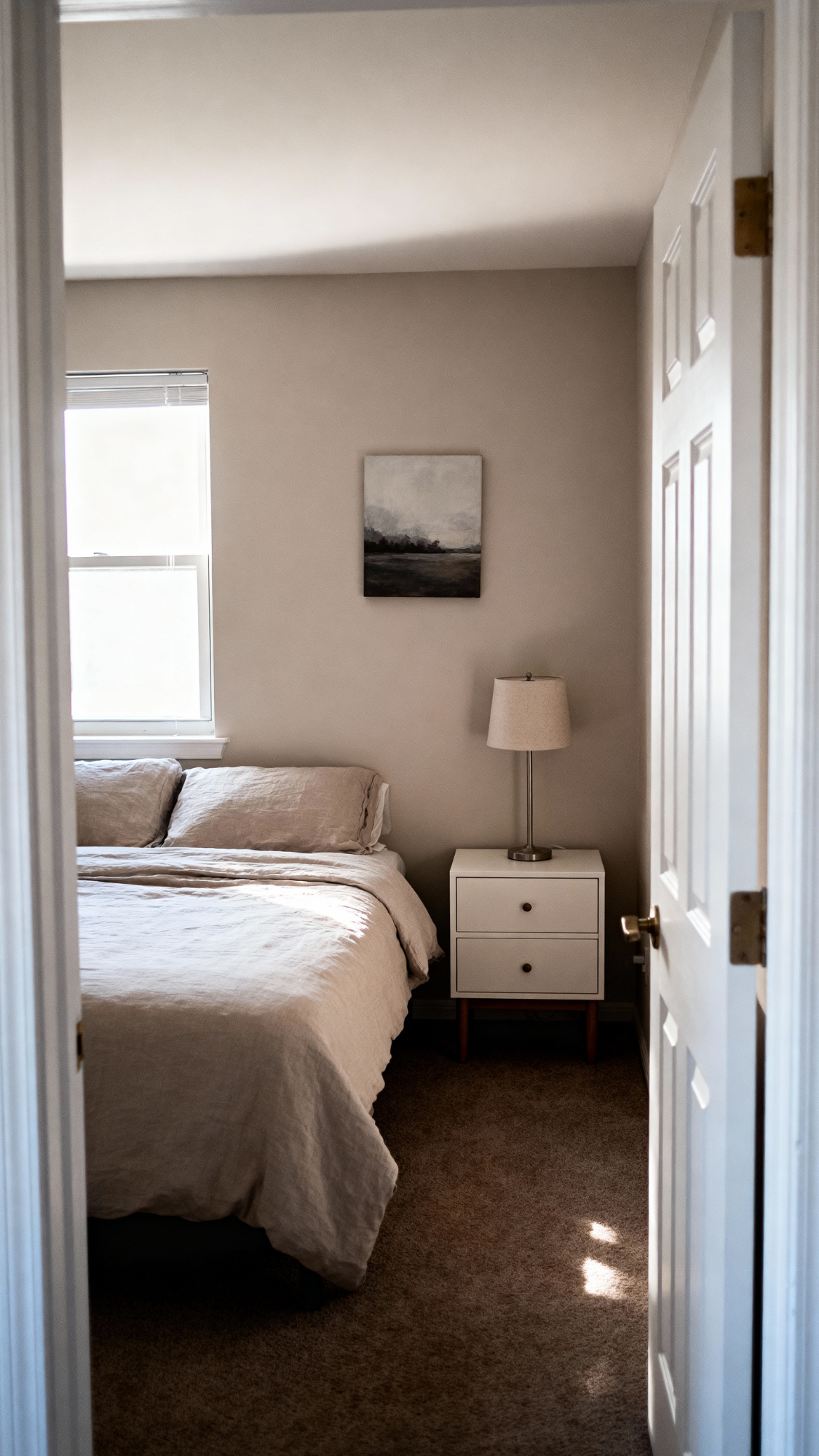
9. Trade One Nightstand for a Mini Dresser or Workhorse Piece
Tiny room, two giant nightstands, nowhere for actual clothes. We’ve all done it. In a small bedroom, symmetry costs you storage, so you break that rule on purpose and win back space.
Swap one nightstand for a slim dresser
- Keep one regular nightstand on the side you use most.
- On the other side, bring in a mini dresser, slim chest, or storage cabinet.
- Treat that piece as your extra drawer space and landing zone.
- Match the color or wood tone to your bed so everything still feels intentional.
Let it multitask like a pro
- Style the mini dresser with a lamp, tray, and maybe one decor piece.
- Use the top drawer for bedside essentials (chargers, lip balm, sleep mask).
- Fill the other drawers with tees, leggings, pajamas, or undergarments.
- Skip a second, bulky dresser and let this one do double duty.
Keep the layout light, not lopsided
- Choose a dresser that feels similar in height to your nightstand, so the room looks balanced.
- Stay slim: pick a piece with a small footprint and tall shape, not a wide monster.
- Repeat materials—same wood, same hardware finish—to tie both sides of the bed together.
- Let the art or wall decor above both sides sit at similar heights so your eye reads a calm line.
Why this helps your small bedroom feel bigger
- You gain extra closed storage without adding a whole new furniture zone.
- You remove the need for a big dresser across from the bed that eats floor space.
- You keep one side of the bed light and minimal, which softens the whole layout.
- As far as bedroom ideas for small rooms that feel instantly bigger go, this one fixes both clutter and symmetry obsession in one move.


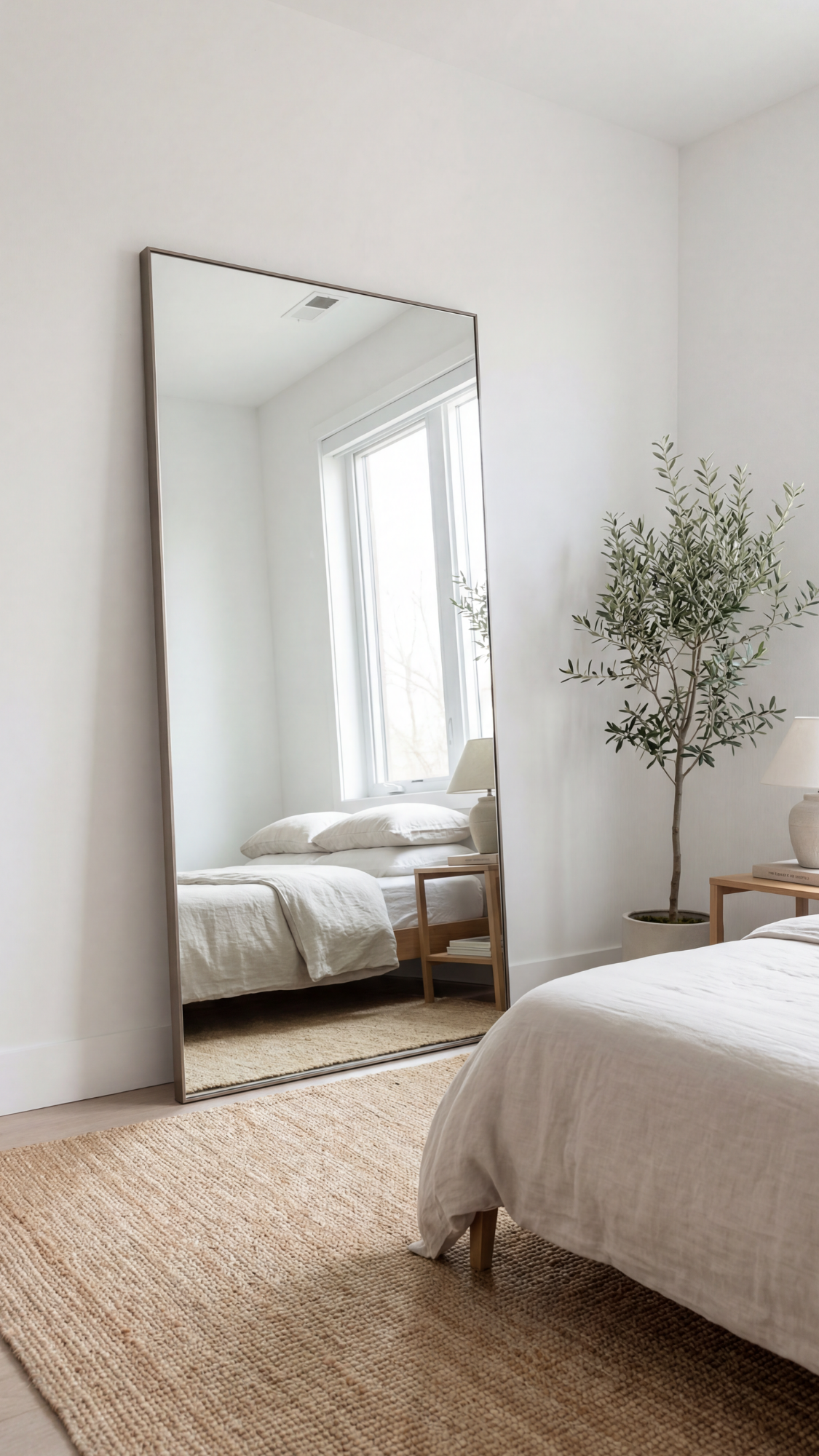
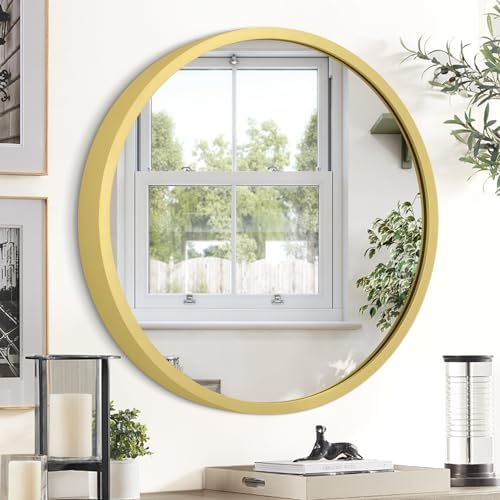
10. Use Mirrors Like a Tiny-Apartment Stylist
If you want a small bedroom to feel bigger right now, you grab a mirror. Not a cute little one that shows half your forehead—a real mirror that bounces light and fakes more space.
Go big with at least one mirror
- Choose one large mirror instead of several tiny ones.
- Lean a full-length mirror against a wall or mount it securely.
- Use mirrored closet doors if you already plan to update them.
- Think of the mirror as a second window that reflects light and space.
Place it where it actually helps
- Put the mirror opposite or next to a window so it reflects natural light.
- Avoid placing it where it only reflects clutter, doors, or dark corners.
- Angle it to show the bed, curtains, or a styled corner—something pretty and intentional.
- If your room layout allows, let the mirror reflect the longest wall to maximize the “bigger room” effect.
Pick a frame that doesn’t overwhelm the room
- Go for thin frames in white, black, or light wood.
- Skip heavy, ornate frames that feel chunky and old-school in a small space.
- If you love a decorative frame, make sure the mirror size still dominates more than the frame.
- You want the mirror to read as light and sleek, not another bulky piece.
Use mirrors to replace extra decor, not add to it
- Let the mirror be the main statement piece on one wall.
- Avoid crowding it with lots of art, shelves, or hooks right around it.
- Style the area in front of it simply: maybe a small plant, a light chair, or a slim bench.
- Remember: mirror = light and breathing room, not just another thing on the wall.
Quick mirror rules for small bedrooms
- If it reflects light and something pretty, it stays.
- If it reflects clutter, cords, or chaos, move it.
- One well-placed mirror does more than five random decor pieces for making your room feel bigger.
- You don’t need a fun house, just one great mirror that behaves.

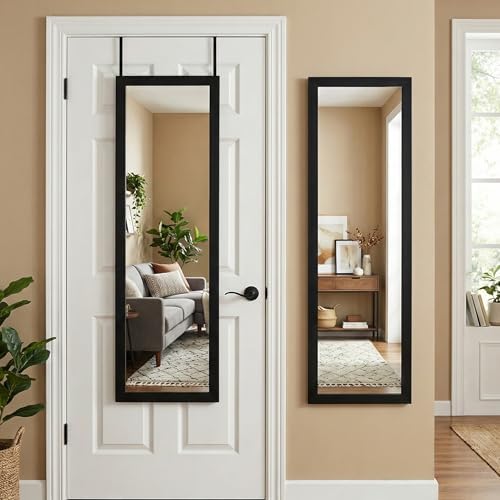


11. Layer Soft, Smart Lighting So the Room Glows, Not Glares
You know that one harsh ceiling light that makes your small bedroom feel like a waiting room? Yeah, we’re not doing that. Good lighting can make a tiny room feel bigger, calmer, and way more expensive without changing anything else.
Start with three layers of light
Aim for three types of lighting in your small bedroom:
- Ambient light – your main light source (ceiling fixture or flush mount).
- Task light – reading lamps, sconces, or a desk/vanity light.
- Accent light – strip lights, tiny lamps, or glowy corners that add mood.
When you stack these, you control the mood instead of letting one sad bulb run the show. Your space instantly feels deeper and more dimensional, which helps it feel bigger.
Go warm and soft, not icy and harsh
- Choose warm white bulbs (around 2700K–3000K) for a cozy, relaxing glow.
- Avoid super cool, blue-toned light that makes your small bedroom feel flat and cold.
- Use bulbs with a soft or frosted finish so they don’t throw harsh shadows everywhere.
- Keep bulb brightness moderate and rely on multiple smaller light sources instead of one blinding spotlight.
Mount or hang lights to save surface space
- Use wall sconces, plug-in sconces, or pendant lights instead of giant table lamps.
- Hang or mount lights so your nightstands and floating shelves stay clear for essentials.
- Add a small clip-on light to a headboard, shelf, or floating desk if you need extra task lighting.
- The more surfaces you keep open, the more your small bedroom reads as calm and spacious, not crowded.
Add one “glow” light just for vibe
- Tuck LED strip lights under the bed edge, along a shelf, or behind the headboard.
- Use a tiny accent lamp on a dresser or shelf that stays on in the evening.
- Keep this light low and soft so it creates cozy depth, not a light show.
- That subtle glow keeps your room from turning pitch black in corners, which helps it feel bigger at night.
Make your lights flexible
- Use dimmer switches or smart bulbs so you adjust brightness for morning vs. wind-down.
- Create a quick routine: bright for getting ready, medium for hanging out, low for sleep mode.
- Group bulbs in one app or remote so you don’t play musical switches every night.
- When you control your lighting on purpose, your small bedroom shifts from “functional box” to tiny retreat that feels larger than it looks.


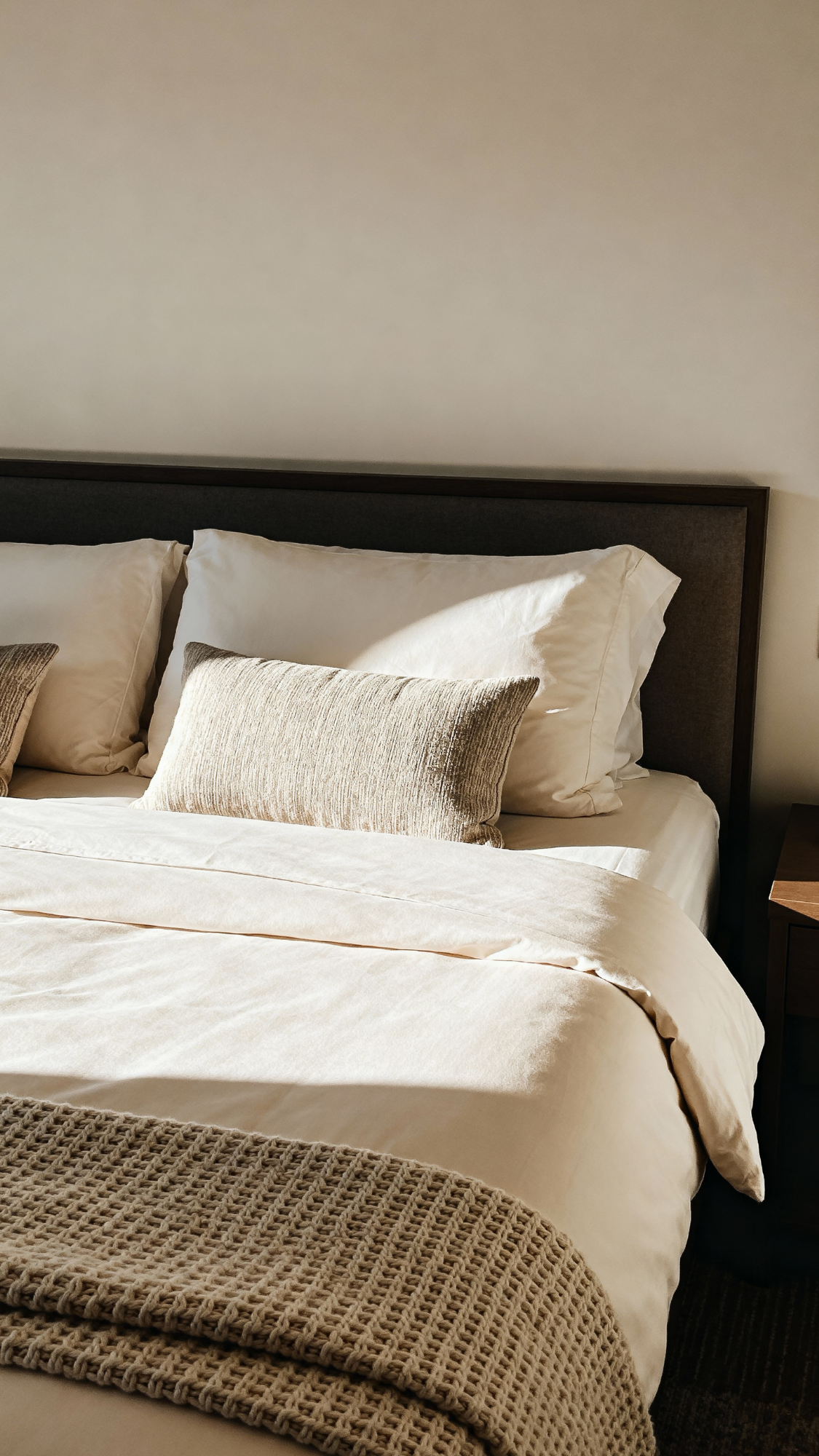
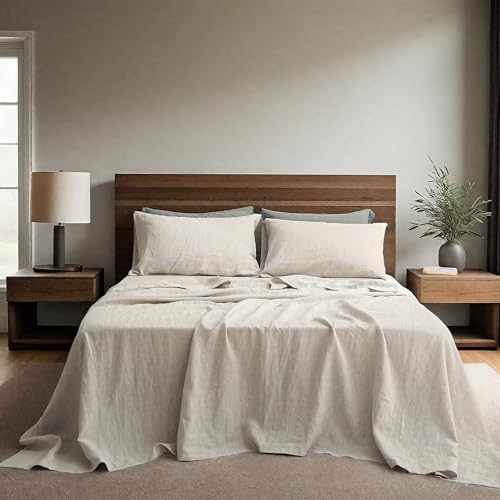
12. Keep Bedding Simple and Luxe, Not Busy
Your bed takes up a huge chunk of visual space, so whatever you put on it decides the vibe of your small room. Busy bedding makes everything feel loud and cramped. Simple, luxe bedding makes the room feel calm, airy, and bigger—even if the footprint stays tiny.
Start with a clean, neutral base
- Choose a solid duvet or comforter in white, cream, soft beige, or light grey.
- Let your duvet and main pillows match or stay in the same light color family.
- Skip big, bold prints on the main bedding in a small room.
- Treat your bed like a blank canvas that helps the room feel lighter, not busier.
Layer texture instead of pattern
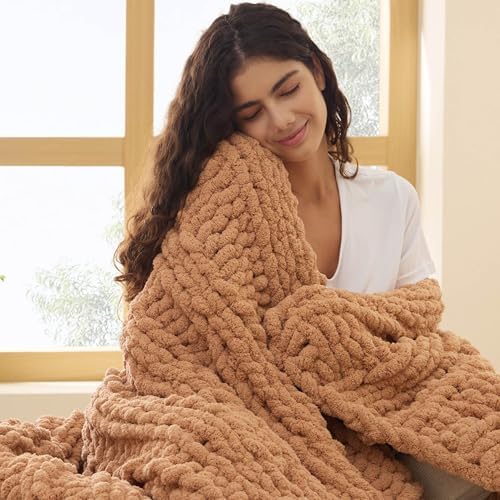
- Add interest with texture, not wild prints:
- Linen or linen-blend duvet
- Chunky knit throw
- Subtle waffle or ribbed blanket
- Stick to tone-on-tone layers so everything feels soft and cohesive.
- Let the textures do the talking while your color story stays simple and soothing.
Edit your pillows (seriously)
- Use 2 sleeping pillows + 1–2 accent pillows—that’s it.
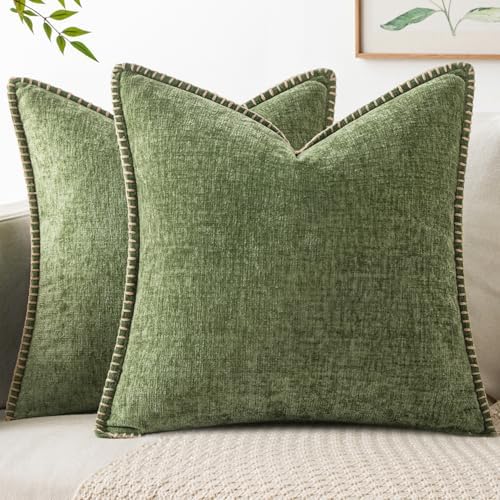
- Choose accent pillows that echo your room’s palette (sage, pistachio, warm taupe, etc.).
- Skip the full mountain of cushions that land on the floor every night.
- Ask yourself: “Do I love this pillow enough to move it every single day?” If not, it goes.
Hide the functional stuff in a clean way
- Use a bed skirt or tailored bed frame to hide any under-bed storage.
- Make sure sheets, blankets, and duvets fit properly so nothing bunches or hangs awkwardly.
- Fold throws neatly at the foot of the bed instead of draping them randomly.
- Keep the overall outline of the bed crisp and smooth, not lumpy.
How simple bedding makes your small bedroom feel bigger
- Light, minimal bedding keeps your room feeling calm instead of chaotic.
- A clean bed silhouette helps the space read as open and organized.
- You turn the bed into a soft focal point, not a visual obstacle.
- Among all the bedroom ideas for small rooms that feel instantly bigger, this one gives you a daily payoff every time you walk in and every time you actually get in bed.

13. Add Pistachio or Sage Green for a Calm, On-Trend Pop
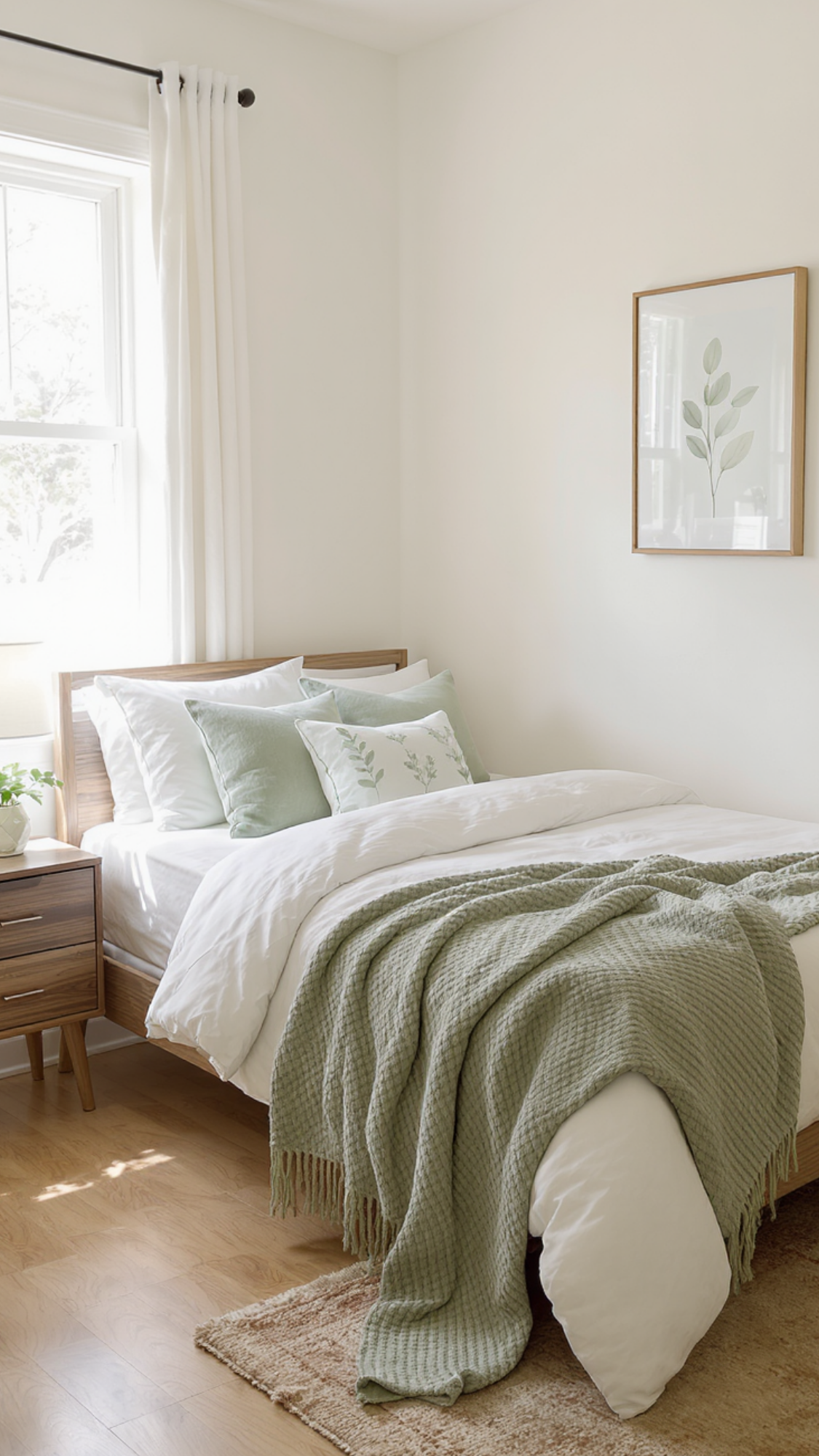
If you want your tiny bedroom to feel fresh and styled without overwhelming it, bring in a soft green moment. Pistachio and sage are everywhere in home decor right now because they act like elevated neutrals—calm, cozy, and easy to pair with almost anything.
Use green as a soft accent, not a takeover
- Start with a neutral base: white, cream, beige, or light greige.
- Layer in pistachio or sage as accents, not the main event (unless you color-drench on purpose).
- Keep your greens muted and dusty, not neon or super saturated.
- Think: “fresh air in color form,” not “highlighter marker on the bed.”
Easy ways to add sage or pistachio
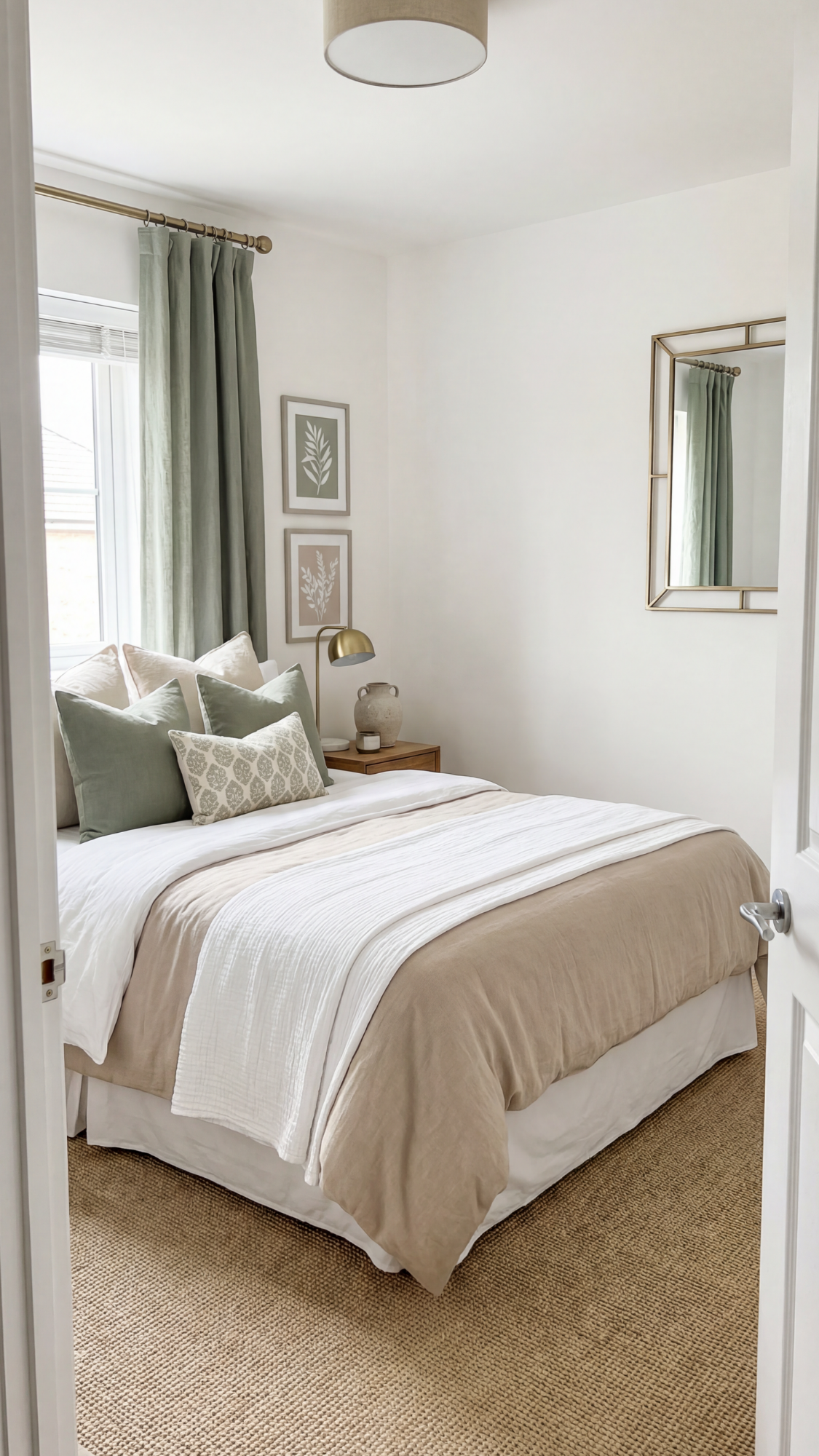
- Throw pillows in soft sage on a neutral duvet.
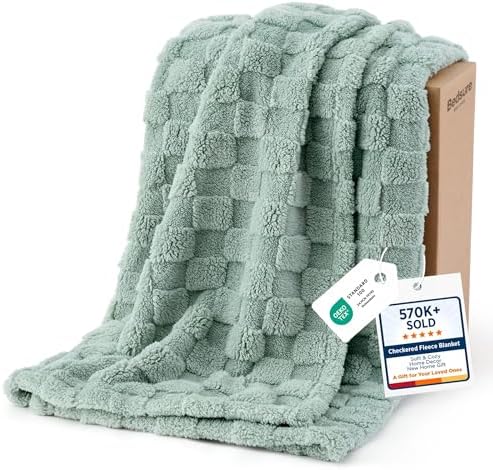
- A folded pistachio throw at the foot of the bed.
- Curtains in a very light, gray-green tone.
- A small accent chair, ottoman, or bench in a muted green fabric.
- Artwork that pulls in green with soft, abstract shapes or landscapes.
Keep the palette tight so the room still feels big
- Pair pistachio or sage with:
- Warm white or cream
- Light wood tones (oak, birch, ash)
- A touch of warm metal (brass, brushed gold)
- Avoid throwing in fifteen extra colors on top—your room shrinks visually when your palette explodes.
- Let green repeat in 2–4 spots around the room instead of one random pillow doing all the work.
Why this works in a small bedroom
- Soft greens feel calm and nature-inspired, which helps a tight room feel more serene.
- Because they’re muted, they add personality without crowding the space.
- The color ties different corners of the room together, so the room reads as cohesive and intentional.
- Out of all the bedroom ideas for small rooms that feel instantly bigger, this one also makes your space feel more current and styled without major effort.
Try this simple green “starter kit”
- Neutral duvet (white or cream)
- 2 sage pillows + 1 patterned pillow with hints of green
- Pistachio or sage throw at the end of the bed
- One small art print or framed photo with green tones
You get a calm, pulled-together color story that looks “saved to inspo board,” not “I just grabbed whatever was on sale.”


14. Tuck Storage into Every Nook (But Keep It Stylish)
Tiny bedroom, big life. You don’t magically own fewer things just because the room runs small, so you sneak storage into every quiet corner—without making the space look like a storage unit.
Hunt for “dead” spaces first
Look around and ask: “Where does nothing happen, but I see floor or wall?” That’s your gold.
- The space under the bed
- The gap beside the wardrobe or dresser
- The back of the door
- The wall above the door or above the bed
- Weird corners where furniture doesn’t fit
Those spots turn into storage zones without stealing your main walking path.
Go vertical before you go wider
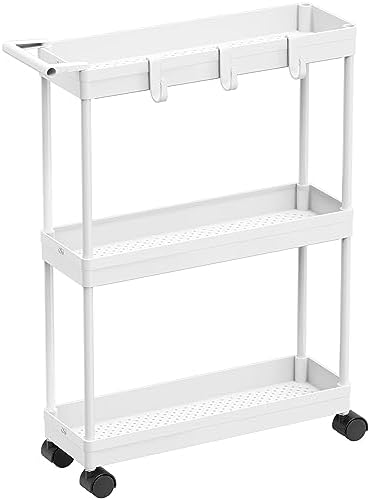
- Add wall hooks or peg rails for bags, hats, robes, or hoodies.
- Mount narrow wall shelves high up for books, boxes, or decor.
- Use an over-door organizer for shoes, accessories, or small items.
- Let your storage climb the walls so the floor stays as clear as possible.
Choose containers that look intentional
- Pick matching baskets, bins, or boxes in the same color family.
- Use neutral tones (beige, white, grey, woven textures) so storage visually disappears.
- Label bins subtly (inside or on the back) so you find things without ugly tags everywhere.
- Treat storage pieces like decor that happens to work hard, not random placeholders.
Put “ugly but necessary” things out of sight
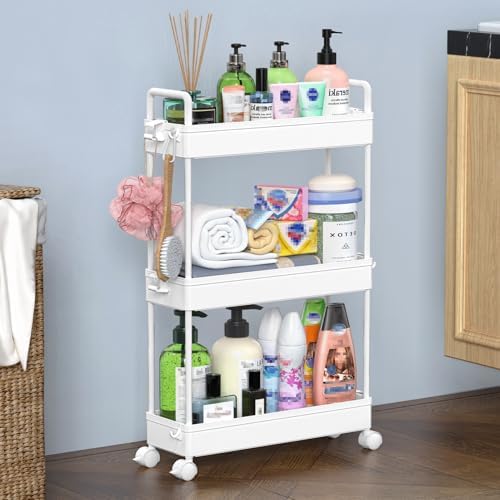
- Stash chargers, tech, extra cords, random bits in lidded boxes or drawers.
- Keep off-season or backup items in under-bed storage, top-of-closet bins, or high shelves.
- Reserve open shelves for nice-looking items: books, candles, plants, framed photos.
- If something makes the room look chaotic at a glance, tuck it behind a door, drawer, or lid.
Edit before you add more storage
- Do a quick purge: anything broken, unused, or meh can go.
- Ask: “Would I pack this if I moved into a slightly smaller place?” If not, release it.
- Let your storage options match what you actually keep, not what you might hoard “just in case.”
- When you only store what you love or use, the room feels lighter and more spacious instantly.
Why this helps your small bedroom feel bigger
- Hidden storage and tidy containers remove visual noise, which shrinks a small room fast.
- Vertical solutions keep your floor visible, and visible floor = room feels larger.
- Matching bins and baskets give the room a pulled-together, styled look, not “random pile corner.”
- Among bedroom ideas for small rooms that feel instantly bigger, this one quietly supports every other upgrade you make.



15. Fake a Walk-In Closet with Built-Ins and Wardrobes
If your room can’t hold a walk-in closet, you fake one along a wall. You turn one side of the bedroom into a clean, floor-to-ceiling storage zone, and suddenly the space feels way more organized and bigger.
Turn one wall into your “closet wall”
- Pick the longest wall that sits opposite or beside the bed.
- Line it with wardrobes, PAX-style units, or matching closets from end to end.
- Go floor-to-ceiling so you use every inch instead of wasting the top half.
- Treat that wall like a built-in feature, not a bunch of random pieces.
Keep everything in one calm color
- Choose wardrobes in white, cream, or light beige for a clean, quiet look.
- If you love color, paint the doors to match your walls so they visually disappear.
- Use simple, slim handles that match your metal finishes (brass, black, chrome).
- When the whole wall reads as one big, sleek surface, your bedroom feels bigger and less choppy.
Design the inside like a tiny boutique
- Add double hanging rods for shorter clothes so you store more in less space.
- Use drawers for tees, underwear, and lounge pieces you reach for daily.
- Add shelves and bins at the top for off-season items and spare bedding.
- Keep a small section for shoes or baskets at the bottom so everything has a spot.
Use mirrors to double the effect
- Swap one wardrobe door for a full-height mirrored door.
- Let that mirror reflect the bed, window, or longest wall in the room.
- You get storage + a dressing mirror + visual extra space in one move.
- Ask yourself: “Can I see more ‘room’ when I look into this mirror?” If yes, you nailed the placement.
Free the rest of the room
- Once the closet wall takes over storage duty, you can:
- Downsize or completely ditch a bulky dresser.
- Keep nightstands slimmer and lighter.
- Leave other walls more open, with just art or a single shelf.
- Your bedroom stops feeling like “bed plus random furniture” and starts feeling like a tiny suite with a built-in closet.
Why this helps small bedrooms feel instantly bigger
- You pull all the visual and actual storage into one clean, organized zone.
- You free other walls and corners so they breathe.
- A seamless storage wall looks more like architecture and less like clutter.
- Among bedroom ideas for small rooms that feel instantly bigger, this one gives you huge daily payoff every time you get dressed.


16. Use Rugs to Define Zones Instead of Adding More Furniture
When your bedroom runs small, you probably don’t need more furniture—you need clear zones. Rugs help you mark where “sleep,” “chill,” and “work” happen without stuffing extra pieces into the room.
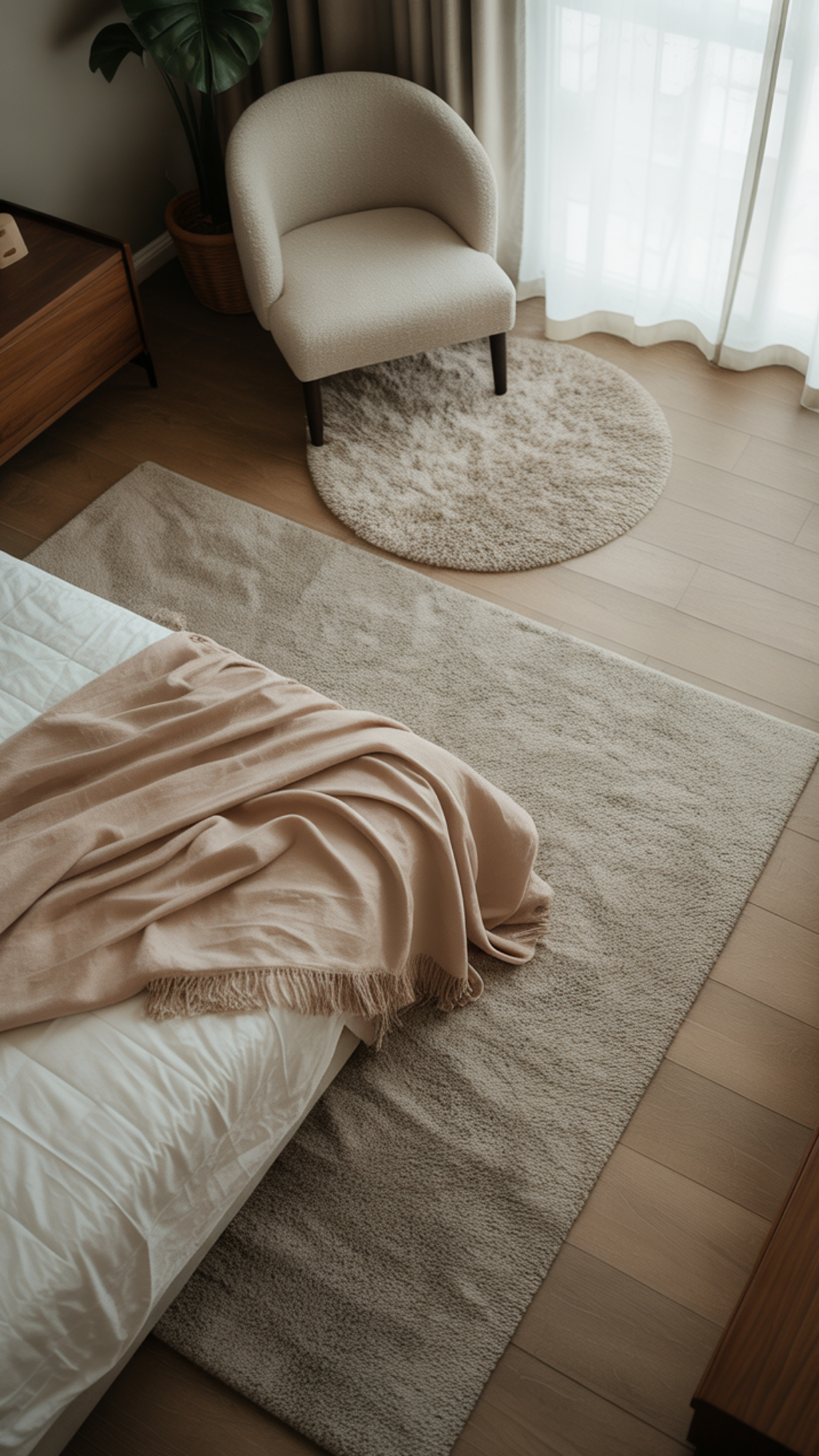
Anchor the bed with one main rug
- Place one larger rug under the bed so it extends at least a bit on both sides and at the foot.
- Let the rug peek out enough that you see a framed “sleep zone” when you walk in.
- Center the rug with the bed, not the room, so everything feels anchored and intentional.
- Choose a low-pile rug so you keep things easy to clean and visually light.
Add a tiny rug for a secondary zone
- Drop a small rug under a chair, bench, or mini desk to create a “reading” or “work” zone.
- Keep this second rug smaller and simpler than the main bed rug.
- Place the rug fully under the piece so it looks like a defined mini area, not a random mat.
- Use this trick when you want your small bedroom to feel like a mini studio, not just a bed in a box.
Keep colors soft and connected
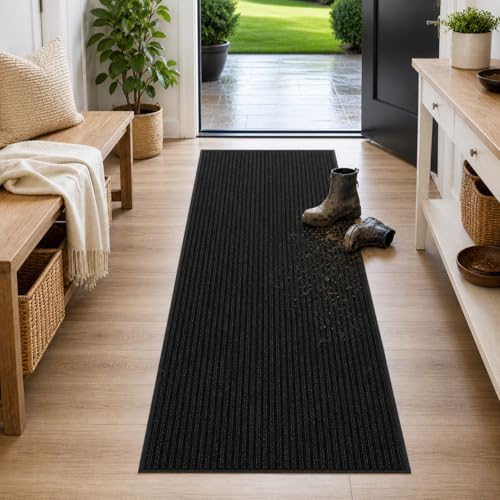
- Stick to light or mid-tone rugs in your existing palette: beige, cream, soft grey, or muted patterns.
- Avoid super dark rugs that visually chop the floor into tiny pieces.
- If you choose a pattern, keep it subtle and low-contrast so the room still feels calm.
- Let both rugs share at least one color so they feel like they belong together.
Match rug sizes to your actual layout
- In a narrow room, run the rug lengthwise with the bed to stretch the space visually.
- In a more square room, give the rug enough width so you see floor, rug, floor when you look across.
- Avoid rugs that stop right at the bed edge and create awkward lines.
- Ask: “Does this rug layout make the room feel smoother or more chopped up?” If it chops, resize or reposition.
Why rugs beat more furniture in small bedrooms
- Rugs help define zones without adding bulk or blocking walkways.
- You still see plenty of floor, which keeps the room feeling open and bigger.
- Your layout feels more “designed,” even if you only own a few key pieces.
- Out of all the bedroom ideas for small rooms that feel instantly bigger, this one works especially well if you like multi-use spaces that still look calm.


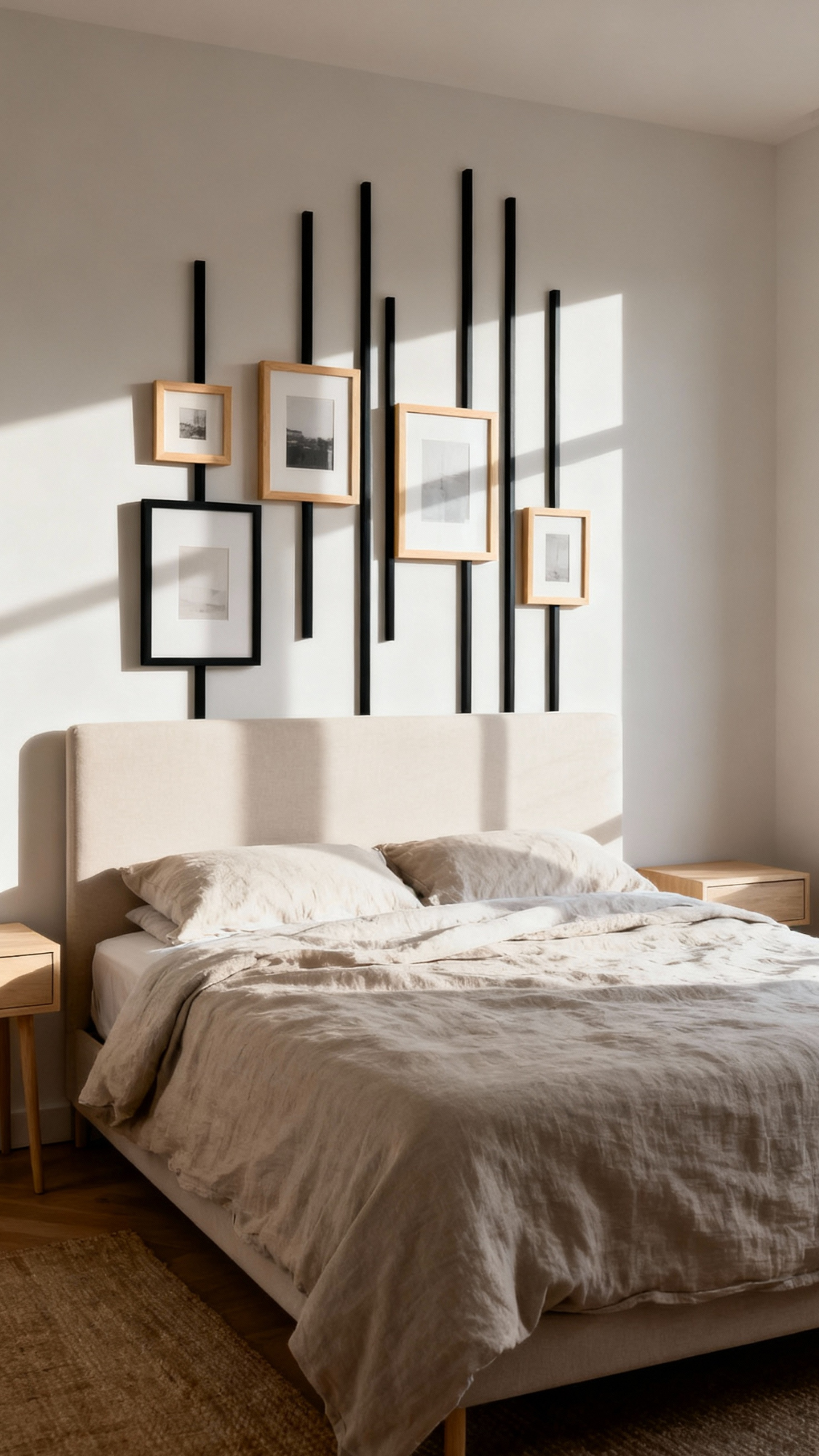
17. Hang Art a Little Higher to Draw the Eye Up
One of the easiest ways to make a small bedroom feel bigger? Cheat the ceiling height. You can’t actually raise it (tragic), but you can trick the eye into thinking the room’s taller by hanging your art a bit higher.
Use your art to pull the eye up
- Hang artwork a little higher than you normally would, especially above the bed.
- Let the frames climb closer to the ceiling so the wall feels taller.
- Think vertical: stacks or tall pieces that stretch the eye upward.
- Ask yourself: “Does my art stop halfway up the wall, or does it lead the eye up?”
Create a tall, tidy gallery over the bed
- Center a single larger piece above the headboard, then build up, not out.
- Or stack 2–4 frames vertically instead of spreading them wide.
- Keep spacing between frames consistent and tight so it looks intentional.
- Let the top frame sit closer to the ceiling than the headboard, not cramped right above it.
Keep frames slim and coordinated
- Choose thin frames in black, white, or light wood for a clean look.
- Stick to 1–2 frame colors so your wall doesn’t feel busy.
- Use simple mats or full-bleed prints to keep everything crisp and calm.
- When frames match, the whole arrangement reads as one vertical feature, not visual chaos.
Stay within your color palette
- Choose art that echoes your room colors: neutrals, pistachio, sage, warm wood, soft tones.
- Avoid super bright, random colors that hijack the wall.
- Mix abstract pieces, line art, or subtle photography instead of loud, clashing prints.
- Let art support the space, not fight it for attention.
Why this makes your small bedroom feel bigger
- Your eye travels up the wall instead of stopping at headboard height.
- The vertical flow makes ceilings feel taller and the room more open.
- A tight, higher gallery focuses attention in one area so the rest of the room feels calmer and less cluttered.
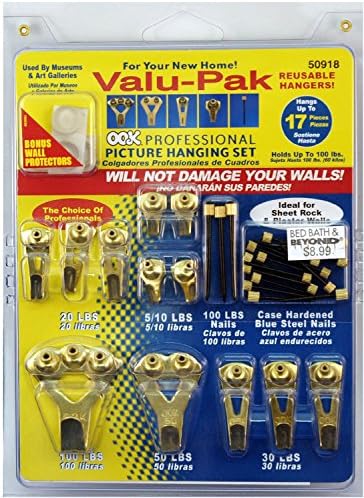
- As far as bedroom ideas for small rooms that feel instantly bigger go, this one is super low-effort and renter-friendly.


18. Pick Slimline Furniture with Visible Legs
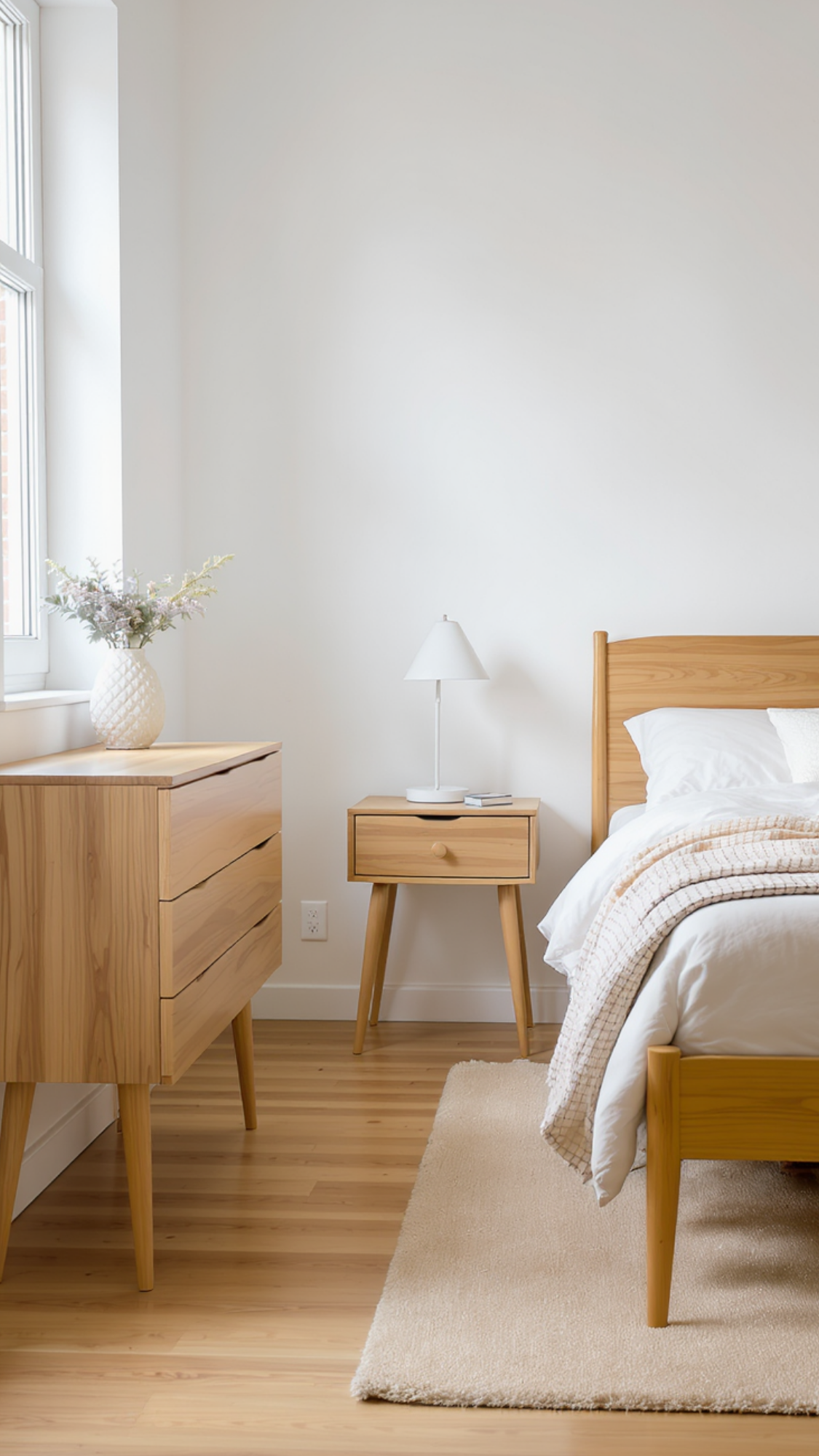
Chunky furniture makes a small bedroom feel like it holds a full-size sofa disguised as a dresser. When you switch to slim pieces with visible legs, the room suddenly feels lighter and way more open.
Let the floor show through
- Choose furniture with taller, visible legs instead of solid bases.
- Let light travel under the bed, dresser, and nightstands.
- When you see more floor, your brain reads the room as bigger and less blocked.
- Ask: “Can I see floor under most pieces in here?” If you can’t, you know what to swap next.
Choose slim, simple shapes
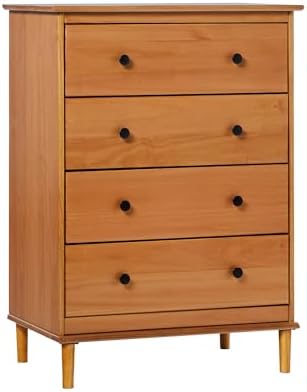
- Go for narrow dressers and nightstands instead of deep, bulky ones.
- Look for clean lines, rounded edges, and smooth fronts instead of heavy trim.
- Skip oversized hardware and thick tops that add visual weight.
- Treat every piece as part of a light, streamlined silhouette, not a standalone block.
Keep finishes cohesive
- Stick to one main wood tone (light oak, birch, or warm walnut) or a mix of wood + white.
- Match metals on handles and legs so everything feels like one family.
- Avoid mixing too many random colors and finishes in one tiny room.
- When finishes match, furniture fades into a calm, connected backdrop instead of screaming for attention.
Scale furniture to your actual room
- Choose a narrower dresser instead of one that nearly touches both walls.
- Use slim bedside tables that sit in proportion to your low-profile bed.
- Skip oversized armchairs that eat a corner; pick a small accent chair or bench instead.
- Make sure you still walk easily around the bed without doing a sideways shuffle.
Why slim, leggy furniture helps your small bedroom feel bigger
- You see more floor and more wall, so the room feels airier and less crowded.
- The layout looks light and modern instead of heavy and boxy.
- You keep all the function—storage, surfaces, seating—without visual bulk.
- Among bedroom ideas for small rooms that feel instantly bigger, this one gives you a massive vibe upgrade just by choosing better shapes.

19. Keep a Tight, Repeatable Color Palette for Decor
If every decor piece in your room tells a different color story, your small bedroom will always feel louder than it is. A tight, repeatable color palette makes the space look calmer, cleaner, and honestly more expensive—even if everything came from budget finds.
Pick your core colors
- Choose 2–3 main colors for the whole room.
- Example: warm white, soft beige, sage green
- Or: cream, light grey, dusty blush
- Add one metal (brass, black, or chrome) for hardware and accents.
- Use these same shades across bedding, pillows, art, rugs, and decor.
- Ask: “Does this color belong in my palette or just in my shopping cart?”
Repeat your palette around the room
- Let your bedding use 2–3 of your chosen colors.
- Echo those shades in pillows, throws, and curtains.
- Pull the palette into art, lamps, vases, and even storage baskets.
- Repeat colors in different textures so the room feels layered but consistent.
Use texture for interest, not more colors
- Mix linen, cotton, knits, wood, metal, and woven baskets in your chosen shades.
- Keep patterns soft, low-contrast, and within the palette.
- Skip random bright prints that hijack attention.
- Let texture do the talking so your color story stays calm and cohesive.
Hide or swap anything that clashes hard
- Tuck loud or off-palette items into drawers, closets, or closed bins.
- If a piece always looks out of place, either restyle it in another room or let it go.
- Don’t let one rogue bright color undo all your work.
- You want your surfaces to look curated, not collected at random.
Why a tight palette makes your small bedroom feel bigger
- When colors repeat, your eye glides around the room instead of jumping everywhere.
- The space feels calmer, more open, and more intentional.
- You stop visually “chopping” the room with lots of competing tones.
- Out of all the bedroom ideas for small rooms that feel instantly bigger, this one might be the most underrated—and it costs nothing if you just edit and rearrange what you own.


20. Create a Tiny Reading or Wind-Down Corner Instead of Extra Furniture
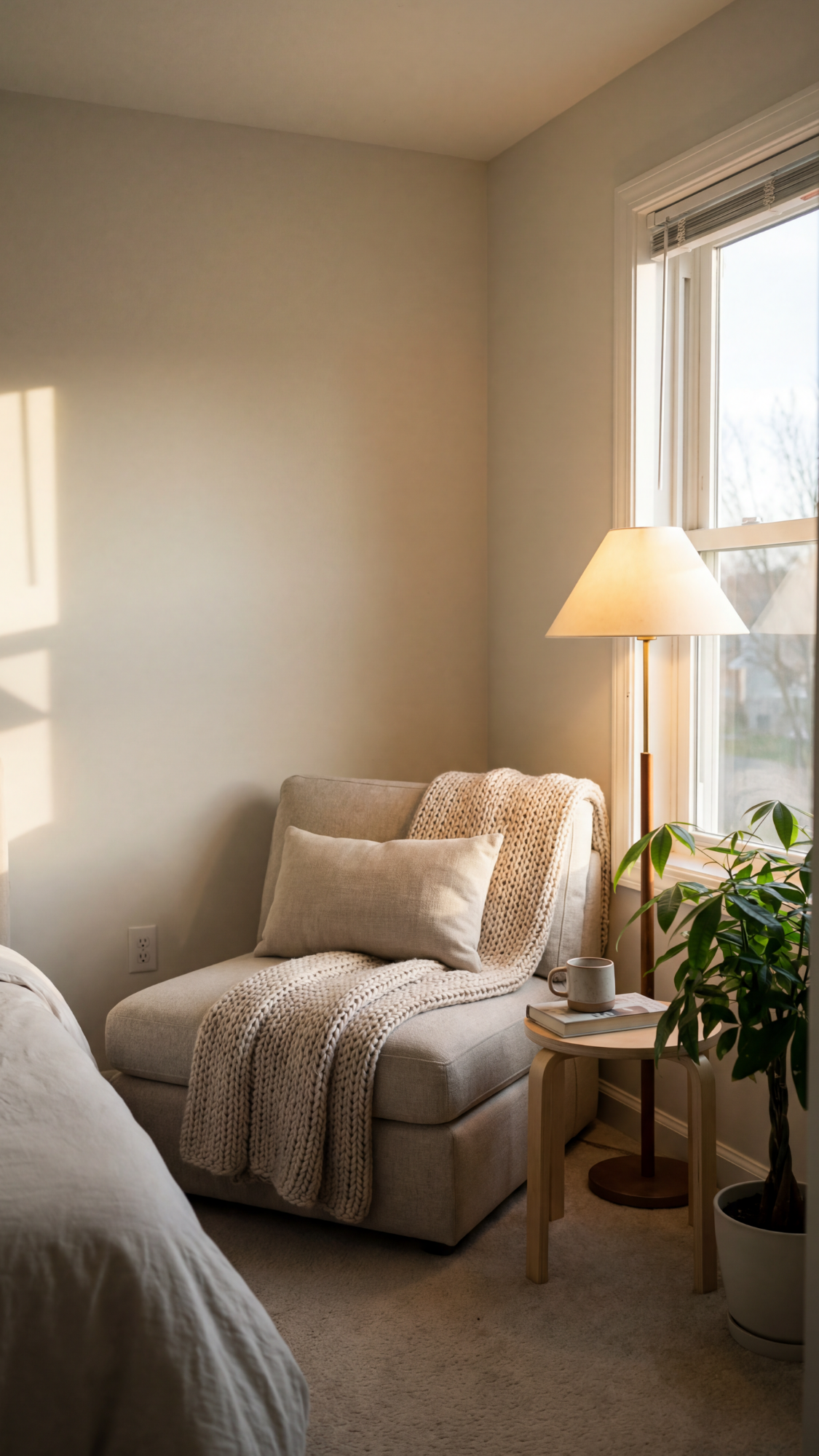
You don’t need three extra pieces of furniture crowding your room. You just need one cozy corner that tells your brain, “We relax here.” Even in a tiny bedroom, you can carve out a mini reading or wind-down nook that makes the whole space feel more like a retreat and less like a crash pad.
Claim one small corner for chill time
- Pick a corner near a window, lamp, or outlet.
- Make sure you still walk around the bed comfortably once you set the corner up.
- Treat this spot as your “no clutter, no laundry pile” zone.
- Ask: “Can I sit here and unwind without staring at a mess?” If not, you tidy first.
Use just one compact seat
- Choose a small accent chair, pouf, or bench instead of a big armchair.
- Look for slim legs and low arms so the piece feels light, not bulky.
- If floor space runs extra tight, use a pouf that slides under a console or desk when you don’t use it.
- Stick to neutral or palette-matching fabric so the chair blends into your color story.
Add a tiny surface and soft light
- Place a mini side table, wall-mounted shelf, or narrow stool next to the seat.
- Use it for a mug, book, candle, or small plant—not a stack of random stuff.
- Add a floor lamp, small table lamp, or wall sconce for warm, focused light.
- Aim the light to feel soft and glowy, not like a spotlight in your face.
Keep styling super minimal
- Add one throw blanket and one cushion in your room palette.
- Bring in one plant or one framed print nearby if you want extra cozy vibes.
- Leave plenty of visible wall and floor around the corner so it feels open.
- Avoid turning the chair into a clothing rack “just for tonight” (we both know “tonight” can last weeks).
Why this corner makes your small bedroom feel bigger
- You give the room a clear purpose beyond just sleep, which makes it feel like a tiny suite.
- You avoid extra bulky furniture and instead focus on one compact, intentional zone.
- The rest of the space feels calmer because you design one dedicated relax corner instead of sprinkling decor everywhere.
- Among bedroom ideas for small rooms that feel instantly bigger, this one adds the most “I actually want to be in here” energy.



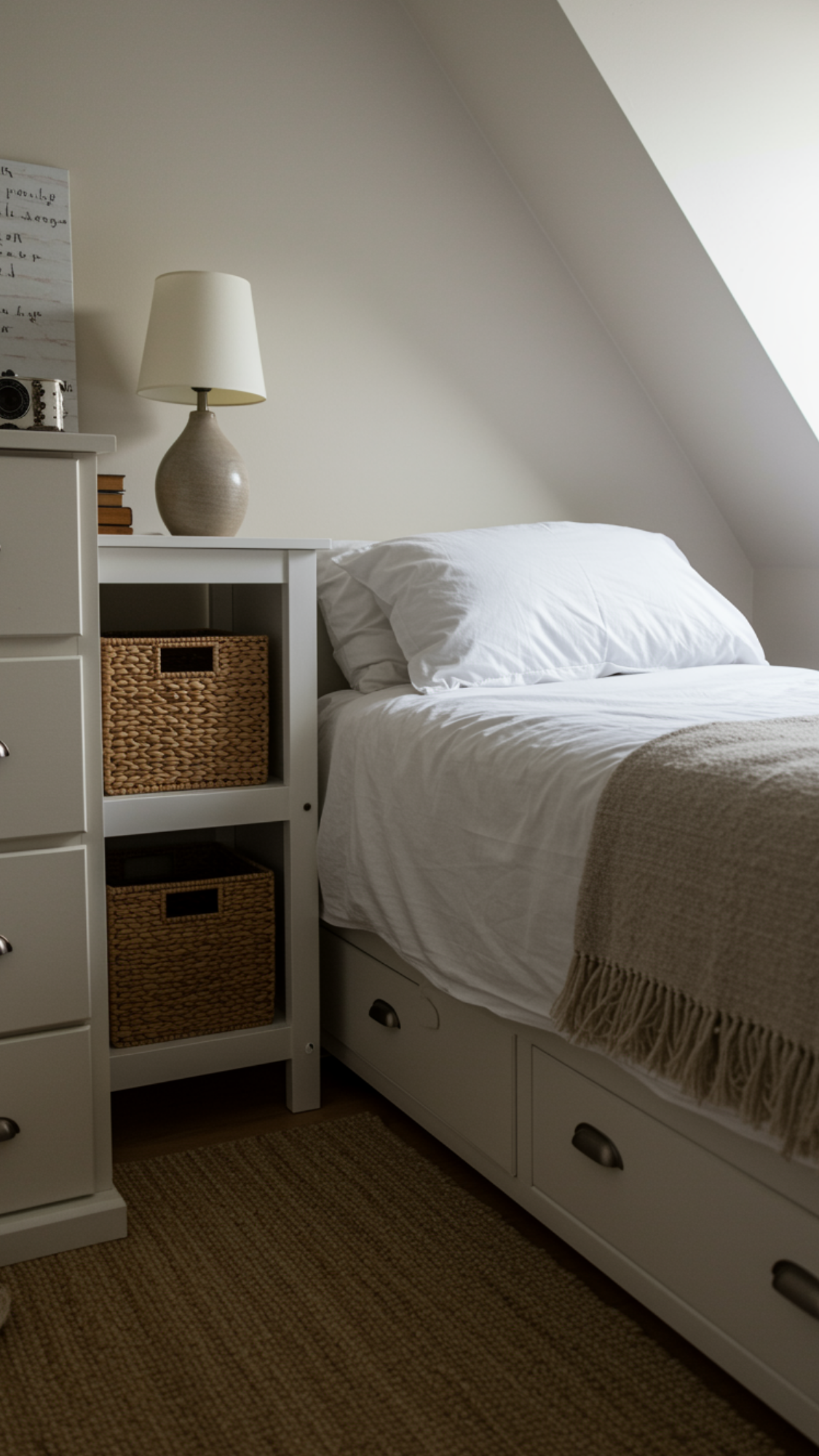
21. Hide Visual Clutter with Baskets, Boxes, and Closed Storage
Real talk: your small bedroom often feels tiny because your eyes trip over clutter, not because the walls moved in overnight. When you hide the chaos in closed storage and matching containers, the room instantly feels calmer and bigger.
Spot the visual clutter first
- Stand in the doorway and ask: “What do I see first—pretty styling or random stuff?”
- Look for chargers, skincare, jewelry, receipts, cords, random mail, hair tools.
- Check dresser tops, nightstands, shelves, and the floor beside the bed.
- Anything that looks like a tiny pile usually needs a home with a lid or drawer.
Use closed storage for everyday mess
- Choose a nightstand with at least one drawer instead of an open-only table.
- Use a small dresser, chest, or credenza for folded clothes and random items.
- Add lidded baskets or fabric bins on low shelves to catch all the little bits.
- Keep a single catch-all tray on top of the dresser or nightstand for today-only small items.
Match your containers so they feel intentional
- Stick to one or two basket styles in neutral tones (woven, white, beige, grey).
- Use similar shapes and sizes so shelves look neat, not chaotic.
- Label the inside or underside if you need to remember what goes where.
- Treat baskets and boxes like part of your decor plan, not last-minute fixes.
Keep surfaces almost empty (on purpose)
- Limit each flat surface to 2–3 items max:
- Nightstand: lamp + book + small dish
- Dresser: lamp + candle + one decor piece
- Shelf: plant + stack of books or one framed photo
- Move everything else into a drawer, bin, or basket.
- When in doubt, remove one more thing—you rarely miss it on display.
Use a simple nightly reset
- Take two minutes before bed to clear surfaces back to your “baseline.”
- Drop stray items into their designated drawer or basket, not a random pile.
- Keep cords plugged in but tucked or clipped out of sight.
- That tiny routine keeps your room feeling spacious and calm, not like a storage closet you sleep in.
Why this makes your small bedroom feel instantly bigger
- Your eye sees clean lines and open surfaces, not visual noise.
- Closed storage hides the chaos so the room feels lighter and more open.
- Matching baskets and boxes create a styled, cohesive look instead of clutter corners.
- Among bedroom ideas for small rooms that feel instantly bigger, this one delivers major results with zero renovation—just smart hiding spots.


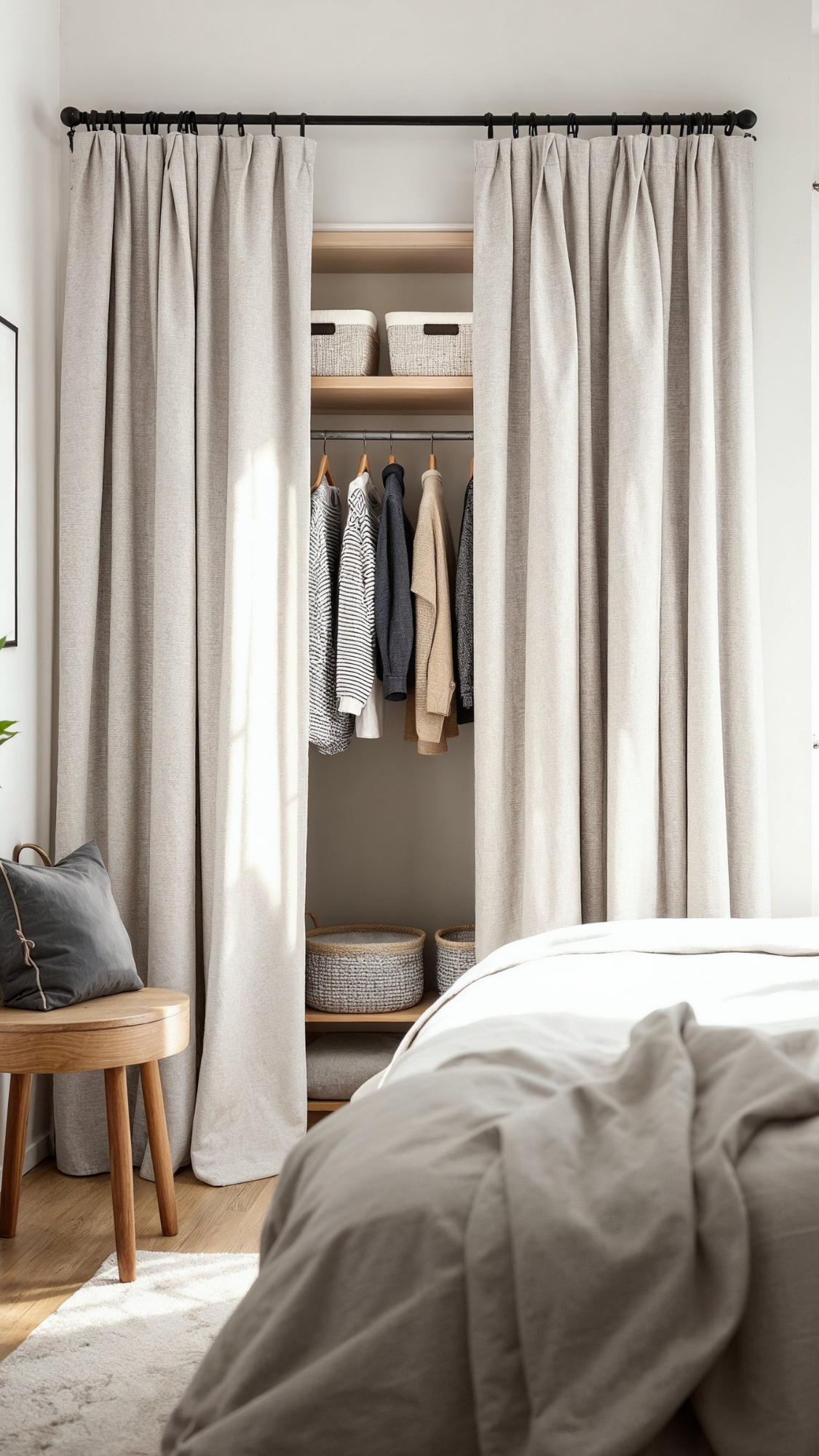
22. Use Sliding Doors, Curtains, or No Doors Where You Can
One sneaky reason small bedrooms feel cramped? Swinging doors that eat half the room. Closet doors, bathroom doors, random utility doors—each one steals a chunk of floor when it opens. You can’t always move walls, but you can change how doors behave.
Look at how your doors actually swing
- Stand in your room and open every door fully:
- Closet
- Bedroom door
- Bathroom/ensuite (if you have one)
- Notice where they block furniture, hit the bed, or cut into walkway space.
- Ask: “If this door didn’t swing here, what else could I do with this corner?”
Swap traditional closet doors for curtains
- Remove double or bifold doors that always feel in the way.
- Install a ceiling-mounted or wall-mounted curtain rod across the closet opening.
- Hang floor-length curtains in a neutral color that matches or blends with your walls.
- Close them when you want a clean look; open them fully to access everything at once.
Consider sliding or bypass doors
- If you prefer solid doors, go for sliding or bypass styles instead of swing doors.
- Use light-colored, flat-front doors to keep the look clean and modern.
- Add a mirrored panel on one door to double up on the “bigger room” effect.
- Sliding doors only move side-to-side, so they don’t eat into your floor space.
Style open closets so they still look calm
If you ditch doors completely:
- Use matching hangers so hanging clothes look tidy.
- Add baskets or bins for folded pieces on shelves.
- Keep your most aesthetic pieces front-and-center, and tuck the rest in boxes or drawers.
- Treat the inside of your closet like a styled display, not a dumping ground.
Match your door solutions to the room palette
- Choose curtain fabric or door colors that blend with your walls for a seamless look.
- Avoid harsh contrast (like dark doors on light walls) in a very small bedroom.
- Use slim, minimal hardware so nothing feels bulky or fussy.
- The goal: the closet opening should feel like a soft continuation of the room, not a giant “look at me” feature.
Why rethinking doors makes your small bedroom feel bigger
- You reclaim the floor area that swinging doors used to block.
- You open up more options for bed placement and furniture layout.
- The room feels less choppy and more open, especially near the closet.
- Among bedroom ideas for small rooms that feel instantly bigger, this one changes how the space functions, not just how it looks.


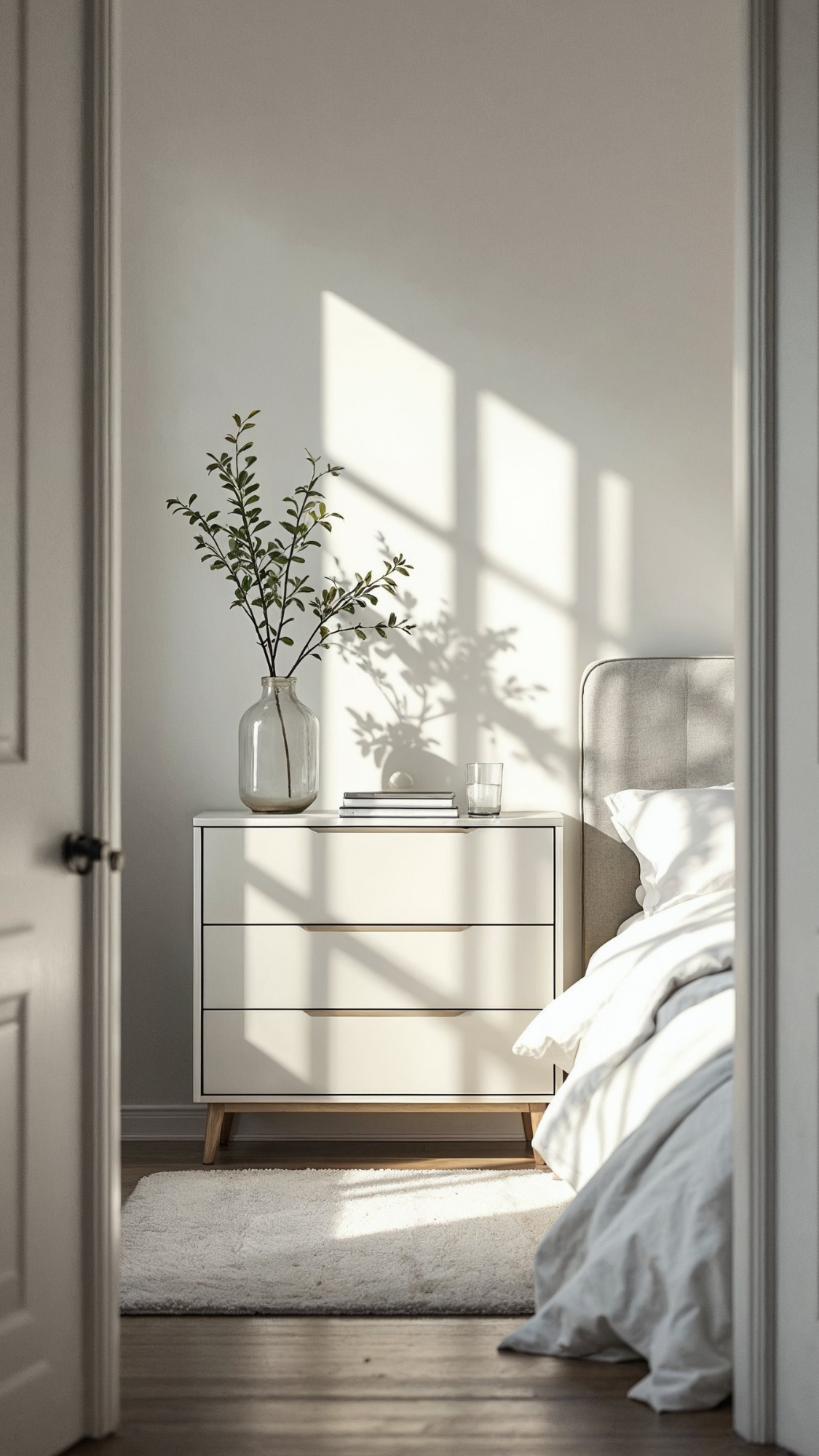
23. Edit Ruthlessly and Keep Surfaces Almost Empty
You can stack all the smart storage and styling tricks you want, but if too much stuff still sits out, your small bedroom will always feel cramped. The real secret sauce? You own less, display less, and protect empty space on purpose.
Decide what actually earns a spot in your room
- Look around and ask: “Does this help me sleep, get ready, or genuinely make me happy to see?”
- Keep the rest out of the bedroom or let it go completely.
- Pull out duplicates, “just in case” items, and things you haven’t touched in months.
- Treat your small bedroom like prime real estate, not storage overflow.
Give every category a defined home
- Keep skincare, jewelry, hair tools, and tech in specific drawers or bins.
- Store books you’re not currently reading on a shelf or in a basket, not in random piles.
- Move bulky items (extra blankets, off-season clothes) to under-bed or closet storage.
- When each category has a home, less stuff wanders across your surfaces.
Protect your surfaces like they’re premium
Aim for a “one thing per surface plus a lamp” rule:
- Nightstand: lamp + 1 item (book or glass or tiny dish).
- Dresser: lamp + 1 decor piece (candle, vase, or framed photo).
- Desk/vanity: mirror + 1–2 daily essentials (brush cup, tray).
- If something new lands on a surface, you remove or relocate something else.
Make empty space part of the design
- Leave some wall space blank so the room can breathe.
- Let a bit of bare floor show between furniture pieces and rugs.
- Keep at least one piece of furniture top almost completely empty as your visual reset.
- Remember: in a small bedroom, empty space counts as decor and makes the room feel bigger.
Do a quick reset every day
- Take 1–2 minutes each night to put everything back in its spot.
- Clear cups, random receipts, hair ties, and rogue chargers off your surfaces.
- Straighten pillows, smooth the duvet, and close drawers fully.
- That tiny habit keeps your room feeling calm, spacious, and ready for sleep, not like a half-finished project.
Why ruthless editing makes your small bedroom feel instantly bigger
- Your eye sees clean lines and open surfaces, not a hundred tiny distractions.
- The room feels lighter, calmer, and more open, even though the square footage stays the same.
- Every other idea in this list—color, lighting, storage, layout—works better when clutter stops shouting over it.
- Among all the bedroom ideas for small rooms that feel instantly bigger, this one gives you free square footage in your brain, which might be the real upgrade.


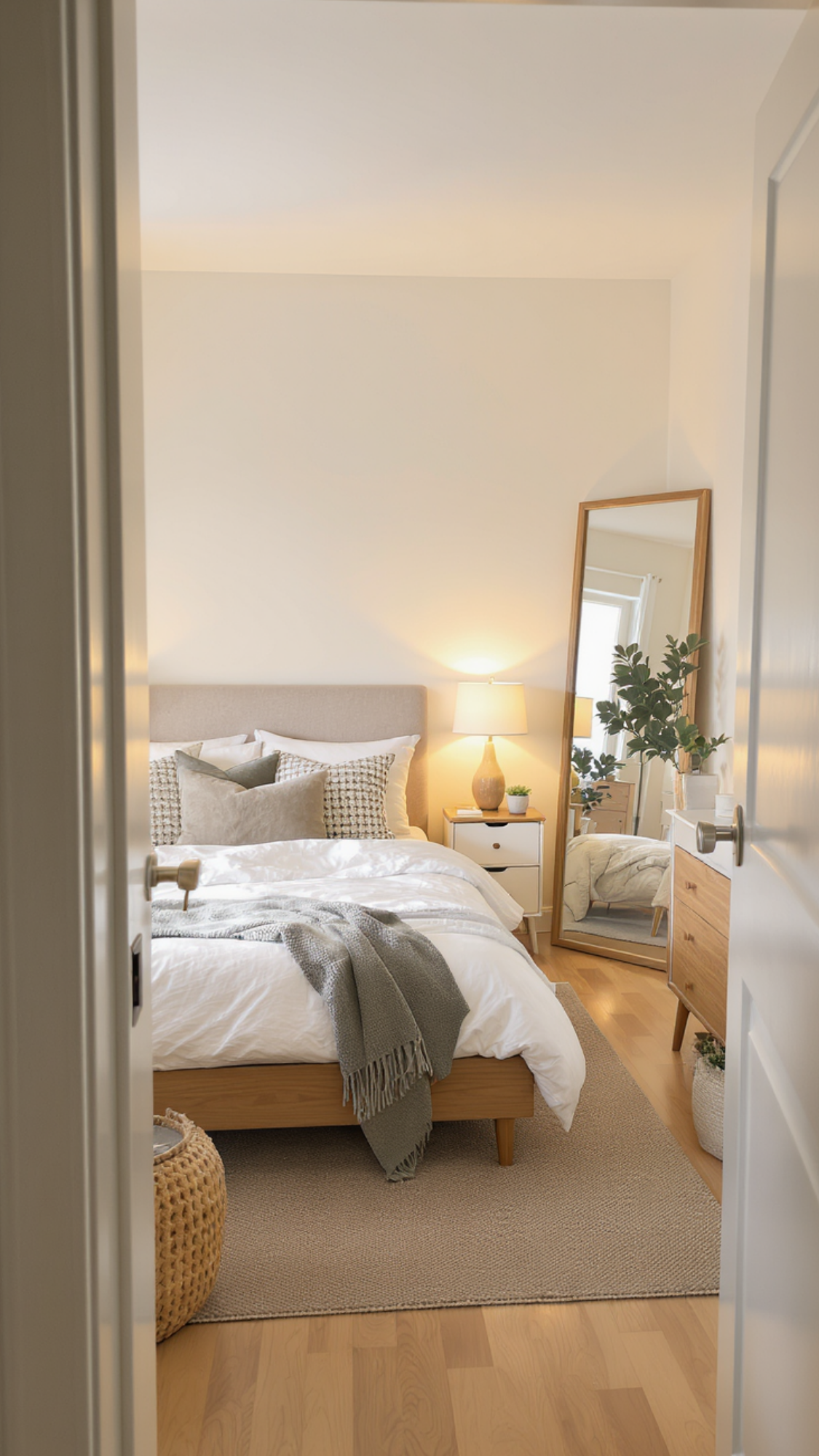
Put Your Tiny Bedroom on a “Glow-Up” Plan
You don’t need a bigger bedroom; you just need it to feel bigger, lighter, and more intentional. These 23 bedroom ideas for small rooms that feel instantly bigger all work together, but you definitely don’t have to do them all at once.
Start with one quick win
Pick one thing you can actually do this week:
- Swap to light, low-contrast bedding.
- Raise your curtain rod to the ceiling.
- Add one big mirror opposite the window.
- Clear and reset every surface back to “almost empty.”
That one move already shifts the vibe from “cramped” to “okay, I see where this is going.”
Then layer in layout + storage
Once you see a bit of progress, add deeper changes:
- Switch to a low-profile or storage bed so your bed helps the room, not hurts it.
- Use floating shelves, slim furniture, and vertical storage to free the floor.
- Turn one wall into a closet wall and keep the rest lighter and simpler.
- Hide everyday chaos in closed storage, matching baskets, and drawers.
You keep the same square footage but upgrade how the space works for you.
Finish with color, light, and styling
After the big moves, polish the mood:
- Lock in a tight color palette and repeat it everywhere.
- Use layered lighting so the room glows instead of glares.
- Play with pistachio or sage accents for that calm, on-trend feel.
- Hang art a little higher and treat empty space as part of the design.
At that point, your bedroom stops feeling like “just enough space for a bed” and starts feeling like a tiny retreat you actually want to spend time in.
Your next step
- Screenshot or write down your top 3 ideas from this list.
- Block out one small project per weekend (or per random Tuesday when you get the urge).
- As you update, keep asking: “Does this make my small bedroom feel calmer, lighter, and more open?”
If the answer stays yes, you’re on the right track. Your room doesn’t need more drama; it just needs smart choices and less visual noise. And honestly? Your future, well-rested self will thank you every time you walk in, drop your bag, and actually exhale.

Pingback: 29 Home Decor Ideas For Small Apartments That Feel Spacious
Pingback: 10 Easy Weekend DIY Projects to Refresh Your Home