Imagine walking into a space that fuels your creativity while keeping supplies neatly within reach. One content creator proved it’s possible by converting her 280-square-foot office into a vibrant hub—swapping dark walls for airy aqua tones and upgrading dim lighting to bright, functional fixtures.
This transformation isn’t just about aesthetics. A well-designed area streamlines projects and reduces frustration—no more digging through bins or squinting at color matches. When every tool has its place, you spend less time searching and more time bringing ideas to life.
Color plays a surprising role too. The creator chose turquoise and red accents that mirrored her brand’s identity, turning the space into both a studio and inspiration board. Strategic choices like these create environments that spark joy long after the initial makeover.
You don’t need a massive budget or endless square footage to achieve similar results. Whether you’re carving out a basement corner or reimagining a shared area, smart storage solutions and intentional layouts make all the difference. We’ll explore how to balance practicality with personality—because your workspace should reflect your unique creative spirit.
Ready to turn chaos into clarity? Let’s dive into planning strategies, lighting hacks, and decorative touches that transform any area into your perfect project haven.
Designing Your Space: Vision and Layout
Before picking paint colors or storage bins, the real magic happens in evaluating what you have. Let’s say you’re converting a 12×14 bedroom with two windows into a multipurpose hub for painting and gift wrapping. You’ll need to balance existing features (like that treadmill collecting dust) with your new creative goals.
Assessing Your Available Space
Start by measuring every dimension—including awkward nooks. A client recently transformed her cluttered storage room by noting where sunlight hit at 2 PM (perfect for color-matching beads). Don’t just measure floors: ceiling height determines vertical storage potential, while outlet locations shape your lighting plan.
Consider traffic flow like a choreographer. One wall became her wrapping station, another for supplies. The former treadmill corner? Now houses a fold-down desk. Windows stayed uncovered to maximize natural light—no fancy renovations required.
Creating a Functional Layout
Think in zones: grab materials here, create there, store finished projects over there. This prevents the “I’m constantly spinning in circles” feeling. One maker uses a U-shaped setup with:
| Zone | Purpose | Key Features |
|---|---|---|
| Central Table | Active Work | Adjustable height, wipeable surface |
| Wall Shelves | Supply Storage | Clear bins, labeled fronts |
| Corner Cart | Project staging | Locking wheels, 3-tier design |
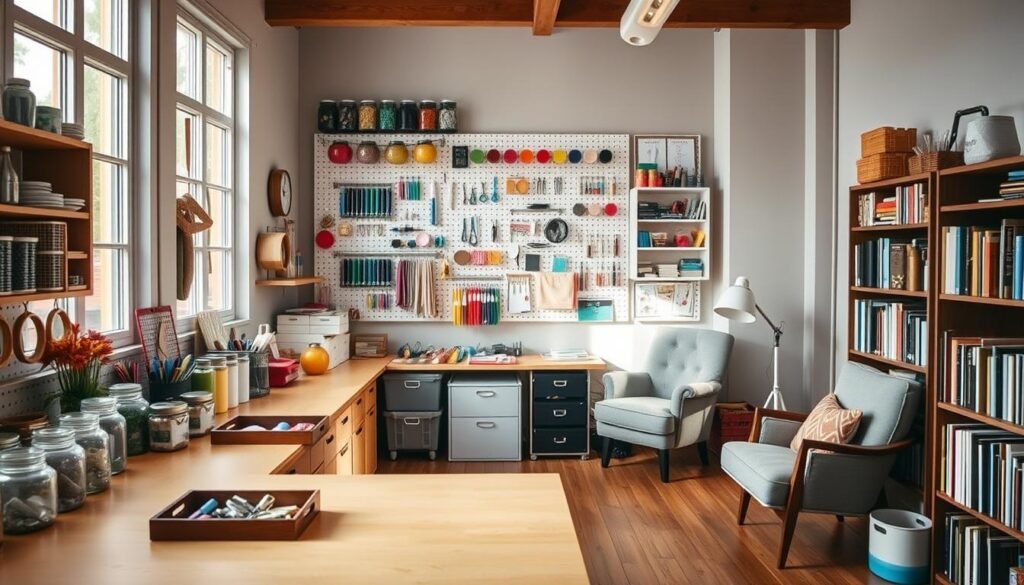
Vertical space is your secret weapon. Floating shelves above desks hold frequently used items, while pegboards keep tools visible. The goal? Everything needed stays within arm’s reach—without elbows knocking over paint jars.
Essential Storage and Organization Ideas
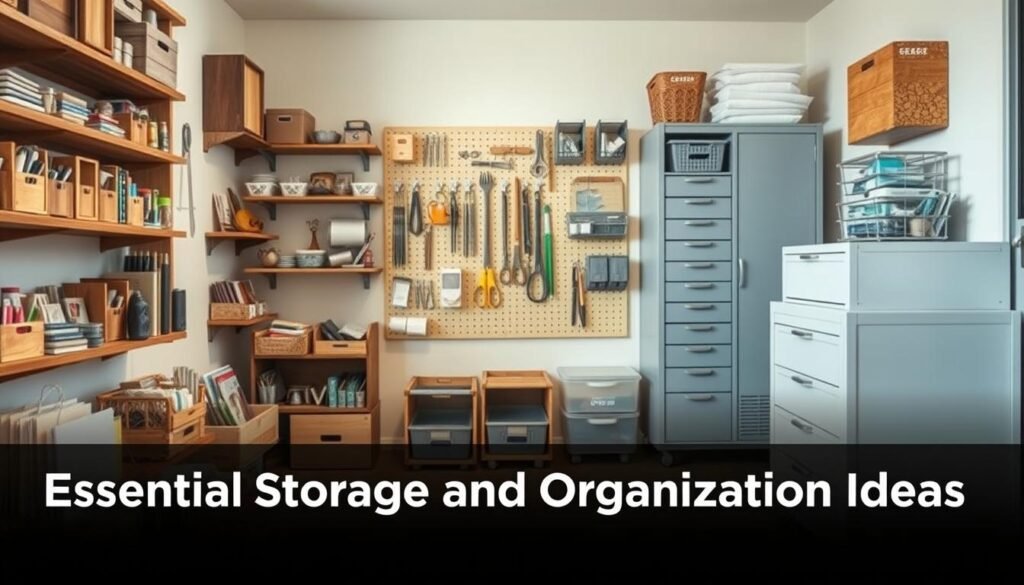
What separates a chaotic workspace from an efficient one? Strategic systems that turn clutter into clarity. Let’s explore solutions that keep your favorite materials accessible while adapting to your growing collection.
Using Shelving, Bins, and Drawers
Vertical shelving units like IKEA Kallax transform walls into storage powerhouses. Pair them with paper holders for upright document storage—no more rummaging through stacks. Clear bins reveal bead colors instantly, while labeled drawers hide lesser-used supplies until needed.
| Solution | Best For | Pro Tip |
|---|---|---|
| Adjustable Shelves | Changing needs | Leave 2″ above bins for easy access |
| Stackable Drawers | Small items | Color-code handles by category |
| Modular Bins | Bulky materials | Use chalkboard labels for updates |
Innovative Pegboards and Wall Organizers
Pegboards do more than hold tools—they inspire. Arrange ribbon spools like color swatches or display scissors as functional art. One creator uses magnetic jars on hers to store glitter—genius for quick swaps during projects.
Repurposing Everyday Furniture
That old dresser? Perfect for fabric storage. Bookshelves become supply towers when paired with acrylic dividers. Martha Stewart’s flat file cabinets protect delicate papers, while IKEA Alex drawers keep paints sorted. Smart repurposing saves money and adds character.
The right system lets you grab supplies mid-inspiration without breaking focus. Start with what you own, then build outward—your future organized self will thank you.
Incorporating Creative Lighting and Decor
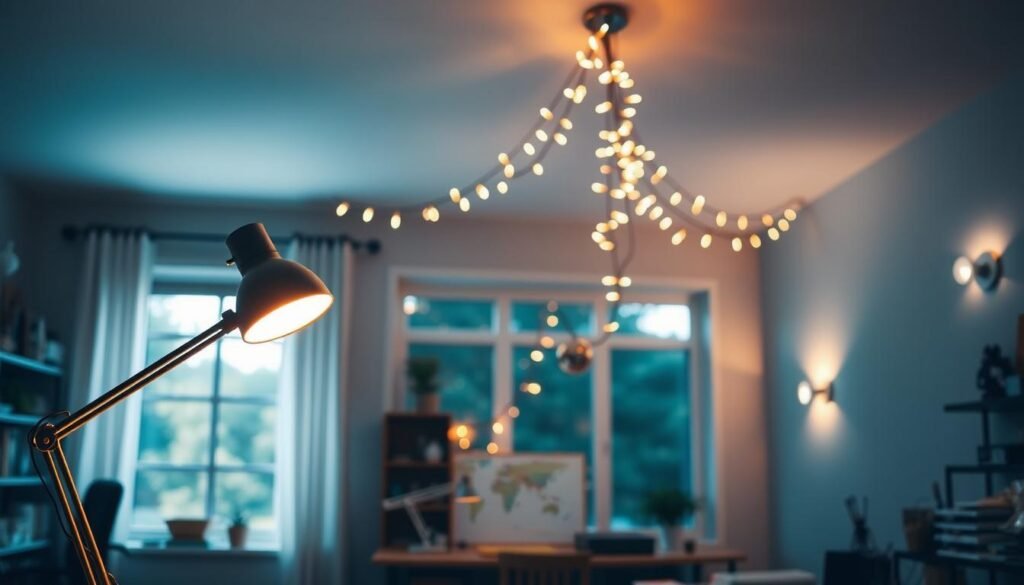
Lighting isn’t just about visibility—it’s the secret sauce that transforms your workspace from functional to magical. A recent client swapped her harsh track lights for layered illumination, reducing eye strain by 40% during evening projects. Let’s explore how to balance practicality with atmosphere.
Choosing the Right Lighting Solutions
Three types of lighting work together like a dream team. Ambient lights (think ceiling fixtures) set the base glow. Task lights—adjustable desk lamps—focus on detailed work. Accent lights add drama, like those seafoam pendant lights resembling glass sculptures.
| Light Type | Purpose | Example |
|---|---|---|
| Ambient | Overall brightness | Dimmable LED panels |
| Task | Precision work | Gooseneck lamps |
| Accent | Visual interest | Colored pendants |
Decorative Accents and Mood Enhancers
Color choices directly impact creativity. Warm yellows spark energy, while blues promote calm. One maker uses removable wall decals in her brand’s palette—easy to swap when inspiration strikes.
Mirrors double natural light and make spaces feel airier. Try placing one opposite a window. Metallic organizers reflect light beautifully, turning basic supplies into display-worthy elements.
| Element | Function | Mood Boost |
|---|---|---|
| Colorful textiles | Hide storage | Add warmth |
| Inspiration boards | Track ideas | Spark motivation |
| Plants | Purify air | Reduce stress |
DIY Craft Room: Must-Have Furniture and Tools
What transforms a jumble of supplies into an efficient creative zone? The right combination of surfaces and systems. Your workspace should adapt to your projects—not force you to work around limitations.
Craft Tables, Desks, and Mobile Units
Start with a surface that matches your workflow. Kari’s viral IKEA hack pairs two Kallax units with a butcher block countertop—creating instant storage cubbies below the workspace. Add locking wheels, and you’ve got a station that rolls wherever inspiration strikes.
| Feature | Benefit | Smart Example |
|---|---|---|
| Adjustable Height | Supports standing/seated work | Electric sit-stand desks |
| Mobility | Reconfigure layouts easily | Carts with 360° wheels |
| Easy-Clean Surface | Survives glitter spills | Tempered glass overlays |
Fold-down desks shine in tight spaces. One maker uses a wall-mounted model that tucks flat when not in use—perfect for shared areas. Pair it with magnetic strips for tool storage, and you’ve claimed back precious square footage.
Don’t overlook organizational tools. Rotating caddies keep markers within reach, while modular drawer systems sort beads by color. As Kari notes: “Good furniture lets you focus on creating, not searching.”
Choose pieces that evolve with your skills. A basic desk can later get pegboard attachments or under-desk shelving. Durability matters—opt for scratch-resistant finishes and waterproof coatings for years of messy projects.
Smart Craft Table and Desk Solutions
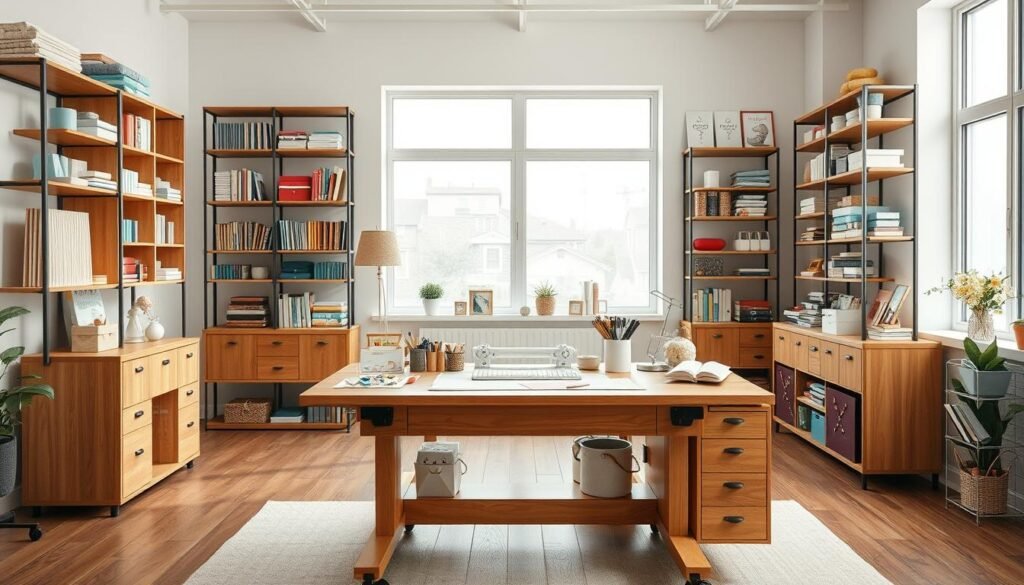
Your creative zone deserves surfaces that adapt as quickly as your ideas do. Whether you’re painting holiday cards or assembling intricate models, the right setup keeps supplies organized and inspiration flowing.
Flexible Workstations for Dynamic Spaces
Mobile tables with locking wheels let you chase sunlight or clear floors for guests. One creator uses a rolling unit with built-in drawers—she pivots from morning watercolors to afternoon scrapbooking without losing momentum. Key features to love:
| Feature | Benefit | Real-World Example |
|---|---|---|
| Adjustable Height | Reduces back strain | Ergotron workstations |
| Foldable Design | Saves square footage | IKEA Norden gateleg table |
| Modular Attachments | Expands functionality | TechWall pegboard systems |
Multipurpose designs shine in shared areas. A popular TikTok hack transforms dining tables into temporary studios using removable adhesive mats. When dinner time arrives? Wipe clean and stack supplies in hidden under-table bins.
Height matters more than you’d think. Standing desks with memory presettings let you switch positions during marathon sessions. As one quilter notes: “My adjustable desk stopped my neck cramps—now I lose track of time, not circulation.”
Look for surfaces that grow with your skills. Start with a basic desk, then add slide-out trays for thread spools or magnetic strips for scissors. Durable finishes like epoxy resin withstand glue gun drips and marker stains, proving practicality can be pretty.
Optimizing Vertical and Wall Storage
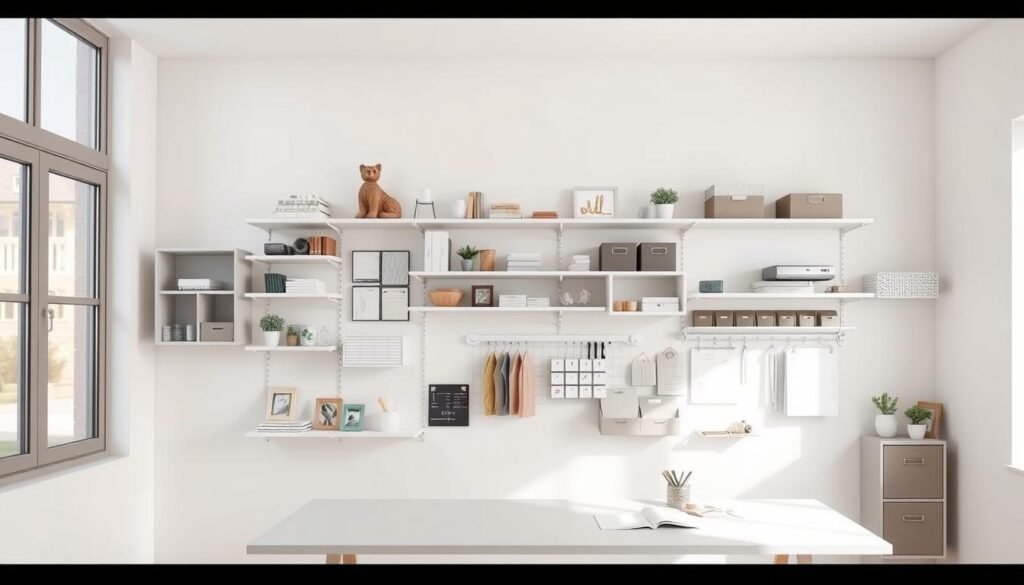
Elevate your workspace efficiency by looking up—your walls hold untapped potential. Vertical solutions keep floors clear while putting supplies exactly where you need them: visible and accessible. One creator doubled her storage capacity using just 18 inches of wall space—proof that smart planning beats square footage.
Floating Shelves and Wall-Mounted Systems
Floating shelves turn blank walls into functional galleries. Display colorful thread spools or vintage scissors as decor while keeping essentials within reach. For heavy items, choose brackets rated for 50+ pounds—like these popular options:
| System | Best For | Installation |
|---|---|---|
| Wooden Ledges | Lightweight displays | 2 screws |
| Metal Tracks | Adjustable heights | Wall anchors |
| Pegboard Panels | Tool organization | French cleat |
Pegboards shine for customizable setups. Hang mason jars for buttons or S-hooks for ribbon rolls. One artist arranges hers by project phase—left side for prep tools, right for finishing touches.
Over-the-Door and Tension Rod Storage Options
Don’t ignore the space behind doors. Over-the-door organizers with clear pockets store glitter tubes or washi tapes vertically. Tension rods between shelves create instant tiers for paint bottles or yarn skeins—no drilling required.
Renters love these non-permanent solutions. A TikTok creator stacked five tension rods in her closet, creating a ribbon display that rivals boutique shops. “It’s like having a craft store aisle in my apartment,” she notes.
Balance beauty and practicality by matching storage materials to your decor. Woven baskets soften metal shelves, while acrylic holders maintain a modern vibe. When every inch works this hard, your walls become your most valuable organizer.
Innovative Ideas for Small Spaces
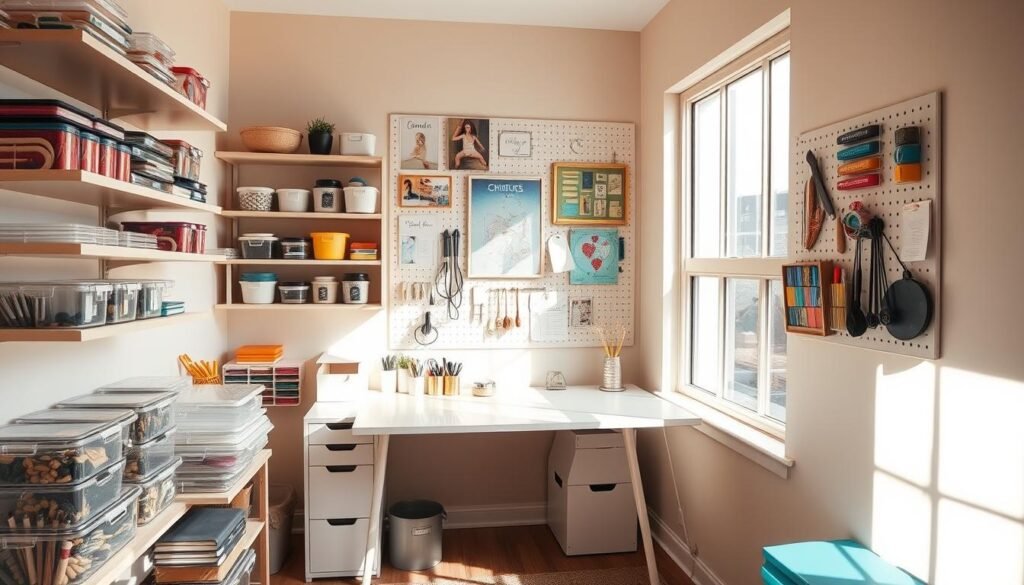
Great creativity thrives in cozy corners. One artist transformed her 45-square-foot closet into a vibrant studio using clever spatial tricks—proving limited square footage can spark inventive solutions. When every inch counts, your approach shifts from “where to put things” to “how to make spaces work harder.
Space-Saving Furniture and Layout Tricks
Start with pieces that morph to your needs. A fold-down desk becomes a jewelry-making station by day and vanishes for dinner. Nesting tables tuck under work surfaces, then expand for group projects. “Multi-functional furniture is like a Swiss Army knife for small rooms,” notes a designer who converted an under-stair nook into a beadwork haven.
| Solution | Function | Space Saved |
|---|---|---|
| Wall-mounted desk | Folds flat when not in use | 12 sq ft |
| Ottoman with storage | Holds fabrics + seating | 18″ floor space |
| Rotating cart | Holds 4 project kits | Corner utilization |
Mirror magic amplifies tight areas. A client doubled her studio’s visual size by hanging a floor-length mirror opposite her supply cart—suddenly, the room felt airy despite its 8×10 dimensions. Light colors on walls enhance this effect, while vertical stripes draw eyes upward.
Discover more how to maximize tight areas through color psychology and modular systems. Remember: constraints breed innovation. That awkward alcove? Perfect for a thread spool display. The unused closet? Your next inspiration hub.
Smart layouts keep everything flowing. Zone your space like a professional organizer—cutting station here, drying area there. Use ceiling hooks for hanging baskets, freeing precious shelf real estate. When you design with intention, even the tiniest room becomes a powerhouse of possibilities.
Personalizing Your Craft Space with Inspiration
Your creative sanctuary becomes truly yours when it reflects what makes your heart race with excitement. Unlike generic studios, personalized spaces ignite fresh ideas through intentional design choices that evolve alongside your projects.
Creating a Mood Board for Ongoing Ideas
Mood boards transform abstract concepts into tactile inspiration. A recent client swapped her static Pinterest feed for a rotating corkboard display—suddenly, her jewelry designs gained bold new color combinations. “Seeing fabric swatches next to family photos sparked ideas I’d never get from screens,” she shared.
Try these adaptable systems:
| Type | Best For | Flexibility |
|---|---|---|
| Cork Panels | Physical samples | Pin & rearrange daily |
| Magnetic Sheets | Metal-backed items | Swap elements instantly |
| Digital Frames | Digital collages | Update via app |
Color psychology supercharges these displays. Surround yourself with hues that mirror your creative energy—fiery reds for motivation, calming blues for focus. One painter uses gradient-colored pushpins to code project stages: “Pink means ‘brainstorming,’ teal signals ‘ready to refine.’”
Include textures that spark joy—a lace trim from your first sewing project or a seashell from a memorable beach trip. These elements turn sterile areas into spaces that whisper, “This is where magic happens.”
Practical Tips from Real-Life Craft Room Projects
Real transformations begin with smart solutions—not unlimited budgets. Take inspiration from makers who turned awkward layouts into organized havens. Their journeys reveal how thoughtful choices create spaces that work as hard as you do.
Insights from Successful Upgrades
One standout project transformed a 14×20 office with dark red walls into an airy studio. The creator chose light aqua paint to amplify natural light from sliding glass doors—proving color impacts both mood and functionality. Built-in shelves gained new purpose with waist-high cabinets, creating hidden storage beneath display areas.
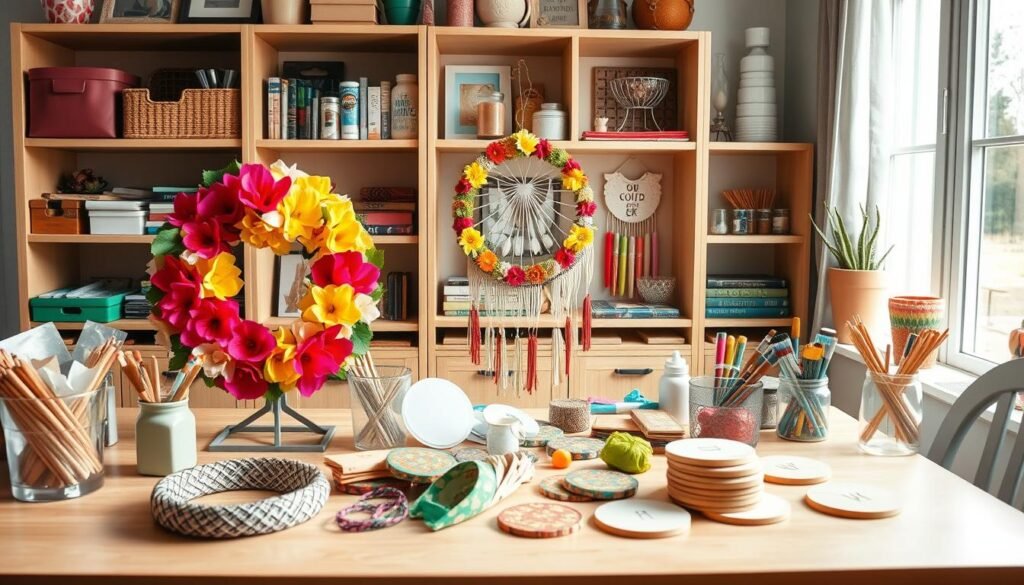
White crown molding unified the space while giant paper flowers added playful texture. “Functional doesn’t mean boring,” she notes. These phased changes—completed over three weekends—show how breaking projects into stages makes daunting overhauls manageable.
Repurposing With Purpose
That dated dresser? It became fabric storage with drawer dividers. An old ladder now displays ribbon spools vertically. Savvy creators save time by reimagining existing pieces instead of buying new.
One artist transformed fireplace alcoves into supply nooks using tension rods and baskets. Your space holds hidden potential—sometimes the best solutions come from seeing ordinary things in extraordinary ways.